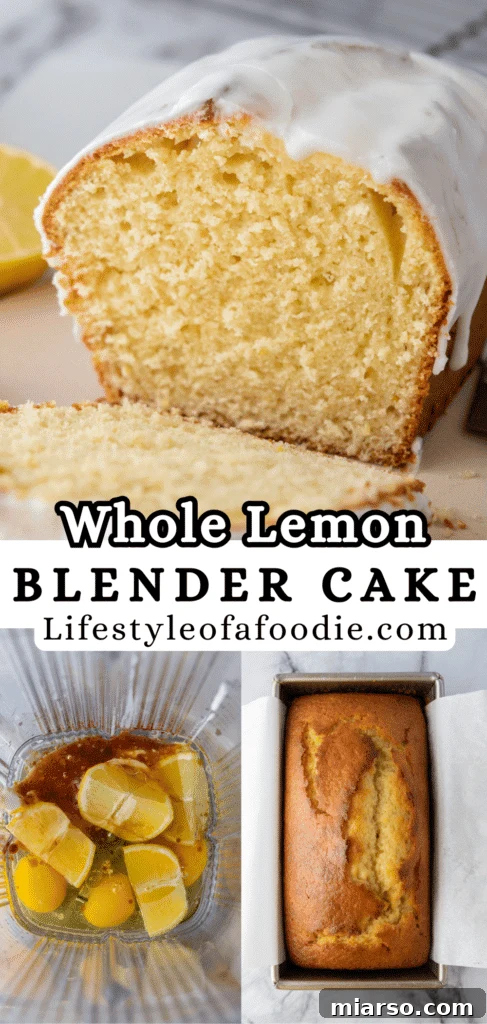
Prepare to be amazed by this Whole Lemon Blender Cake, the ultimate zesty dessert that promises a burst of sunshine in every bite! This incredible recipe offers a uniquely moist and tender crumb, perfectly balanced with the invigorating tang of fresh lemons. What makes it truly special is the ingenious use of an entire lemon, peel and all, blended directly into the batter. This method not only infuses the cake with an unparalleled depth of lemon flavor but also makes preparation incredibly simple. Forget complicated steps and lengthy mixing; this delightful lemon cake is ready for the oven in mere minutes. Just blend, pour, and bake your way to a new favorite!

The Ultimate Whole Lemon Blender Cake: A Zesty, Effortless Delight
Discover the magic of a refreshingly tart treat that revolutionizes your baking experience: the Whole Lemon Blender Cake. This extraordinary recipe masterfully combines the vibrant, zesty tang of fresh lemons with the utmost ease and convenience of a simple blender. By incorporating the entire lemon – rind, pulp, and juice – directly into the batter, this cake captures the complete essence and intense tartness of the lemon in a way that traditional recipes simply can’t match. It’s a culinary revelation that’s both wonderfully aromatic and incredibly flavorful, making it an instant classic for any occasion.
Whether you’re a seasoned baking enthusiast seeking a time-saving marvel or a kitchen novice eager to impress with minimal effort, the Whole Lemon Blender Cake is your answer. The process is as straightforward as gathering your ingredients, tossing them into a blender, and letting the machine do the heavy lifting. This effortless approach ensures a delectable experience that is as simple to create as it is utterly delicious to savor. Its vibrant flavor profile makes it an ideal dessert for warm weather, but its comforting texture ensures it’s a hit year-round.
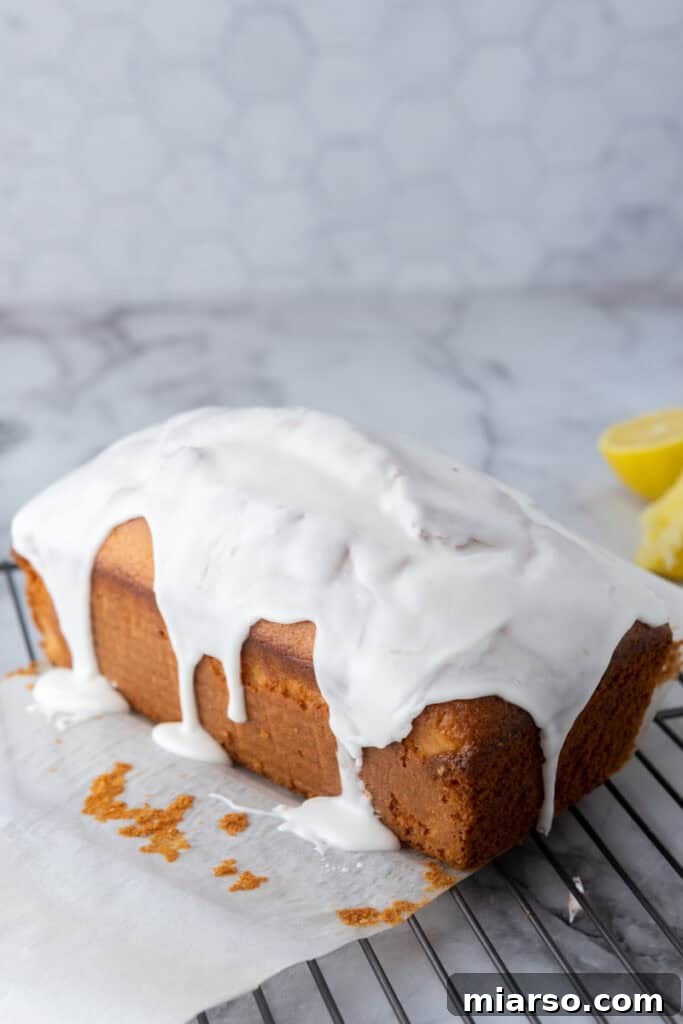
Elevate this stunning lemon loaf with a drizzle of homemade lemon glaze, transforming it into a show-stopping dessert that’s perfect for holidays, lively summer barbecues, or even birthday celebrations. Alternatively, a simple dusting of powdered sugar provides an elegant finish that highlights its natural beauty. No matter how you choose to adorn it, this blender lemon cake is guaranteed to be a crowd-pleaser, leaving everyone craving another slice of its irresistible tang and sweetness.
If your love for lemon knows no bounds, you’ll be thrilled to explore other citrus-infused delights. Be sure to check out this Easy Lemon Posset Recipe for a silky smooth, creamy treat, or perhaps indulge in the timeless favorite, this Classic Lemon Bars Recipe. For those who adore a classic pie with a tangy twist, our Lemon Pie with Graham Cracker Crust Recipe offers another fantastic option to satisfy your lemon cravings.
Key Ingredients for Your Perfect Whole Lemon Blender Cake
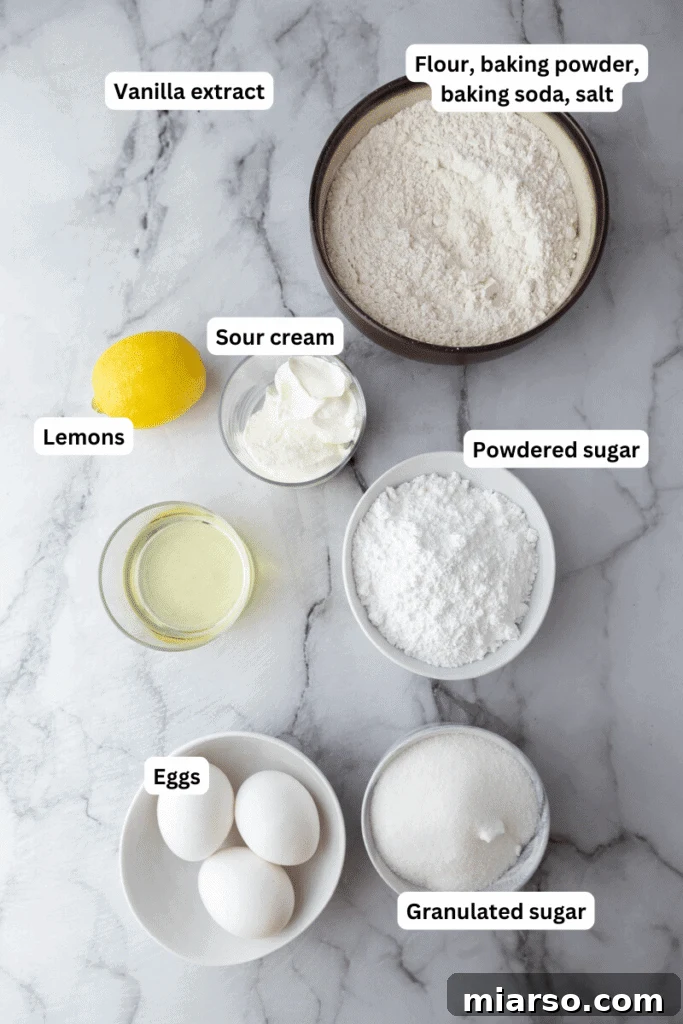
Crafting this incredible Whole Lemon Blender Cake begins with selecting the right ingredients. Each component plays a vital role in achieving that perfect balance of sweetness, tang, and moist texture. Below is a detailed list of what you’ll need to create this bright and flavorful lemon loaf. For precise measurements and a comprehensive ingredient list, make sure to refer to the full recipe card located at the bottom of this page.
- Whole Lemon: This is the star of our blender cake! Using the entire lemon—peel and all—is what gives this cake its truly distinctive and intense lemon flavor. For the best results and peace of mind, I highly recommend opting for organic lemons, as you’ll be incorporating the rind. Before blending, ensure all seeds are removed, and chop the lemon into manageable chunks to facilitate easier blending and a smoother batter. Meyer lemons, known for their sweeter, less acidic profile and thinner rind, are also an excellent choice if available, offering a wonderfully delicate citrus note.
- Granulated Sugar: Beyond merely adding sweetness, sugar works to balance the intense tartness of the whole lemon, creating a harmonious flavor profile. It also contributes to the cake’s tender texture and moist crumb, ensuring a delightful eating experience.
- Large Eggs: Eggs are essential for providing structure and richness to the cake. They act as a binder, helping to emulsify the batter and create a dense yet tender texture that is characteristic of a great lemon loaf.
- Vegetable Oil: For a wonderfully moist cake, vegetable oil is key. It contributes to a consistently tender crumb that stays fresh longer than cakes made with butter. You can also use other neutral-flavored oils like peanut oil or canola oil.
- Plain Greek Yogurt or Sour Cream: These ingredients are not just for moisture; they introduce a creamy texture and a subtle tangy flavor that perfectly complements the lemon. The acidity in yogurt or sour cream also reacts with the leavening agents, helping the cake to rise beautifully and achieve an exceptionally soft crumb.
- Vanilla Extract: A touch of pure vanilla extract provides a subtle warmth and depth, balancing the vibrant citrus notes without overpowering them. It adds a sophisticated layer to the overall flavor of the blender lemon cake.
- All-purpose Flour: This forms the foundational structure of our cake. It provides the necessary body and texture, ensuring the cake holds its shape while remaining delightfully soft.
- Baking Powder and Baking Soda: These leavening agents are crucial for a light and airy rise. They react with the acidic components in the batter (like the lemon and yogurt/sour cream) to create air pockets, resulting in a perfectly risen and tender cake.
- Salt: A pinch of salt is vital for enhancing all the other flavors in the cake. It expertly balances the sweetness and acidity, making every ingredient shine without making the cake taste salty.
- Lemon Juice (for glaze): This is the essential base for our bright and tangy lemon glaze. Ensure you have extra fresh lemons on hand, as this juice is separate from the whole lemon used in the cake batter. Freshly squeezed juice will yield the best flavor.
- Powdered Sugar: Also known as confectioners’ sugar, this finely milled sugar sweetens the lemon juice to create a smooth, pourable glaze that adds both visual appeal and an extra layer of lemon-sweetness to the finished loaf.

Step-by-Step: How to Make This Whole Lemon Blender Cake
Creating this remarkably simple yet utterly delicious Whole Lemon Blender Cake is a breeze, especially with the power of your blender. Follow these easy steps to bake a moist, flavorful lemon loaf that will become a household favorite. Remember to check the full recipe card at the end of this post for precise oven temperatures, exact bake times, and any additional detailed instructions!
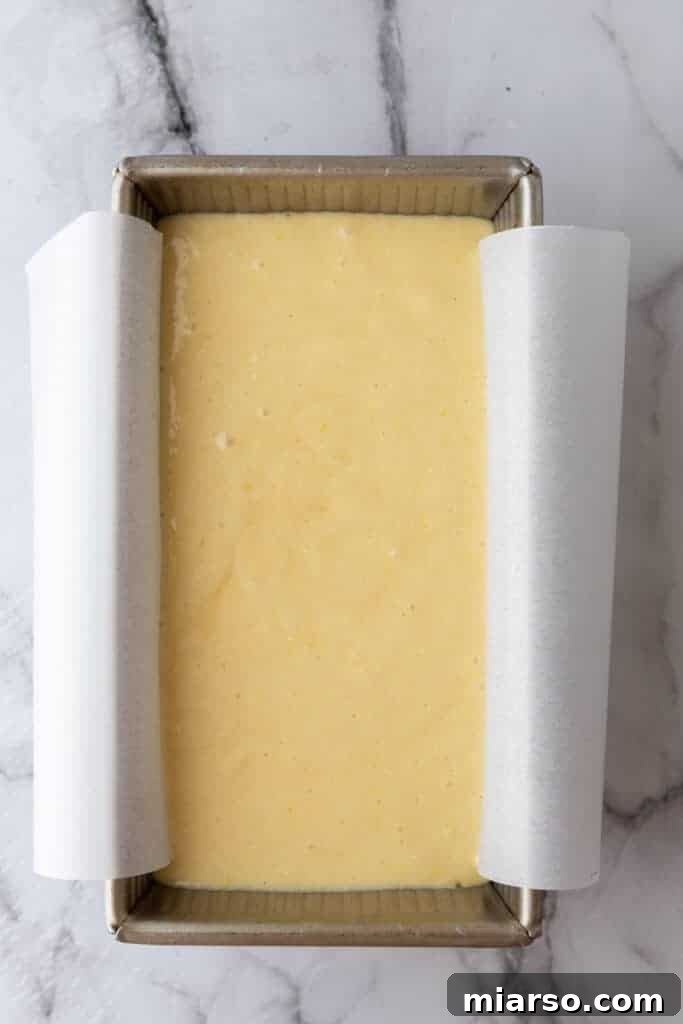
- Prepare Your Pan and Preheat Oven: Begin by preheating your oven to the specified temperature (usually 350°F / 175°C). Then, prepare a 9×5 inch loaf pan by thoroughly greasing it and lining it with parchment paper, leaving an overhang on the sides. This ensures easy removal of your baked lemon cake later.
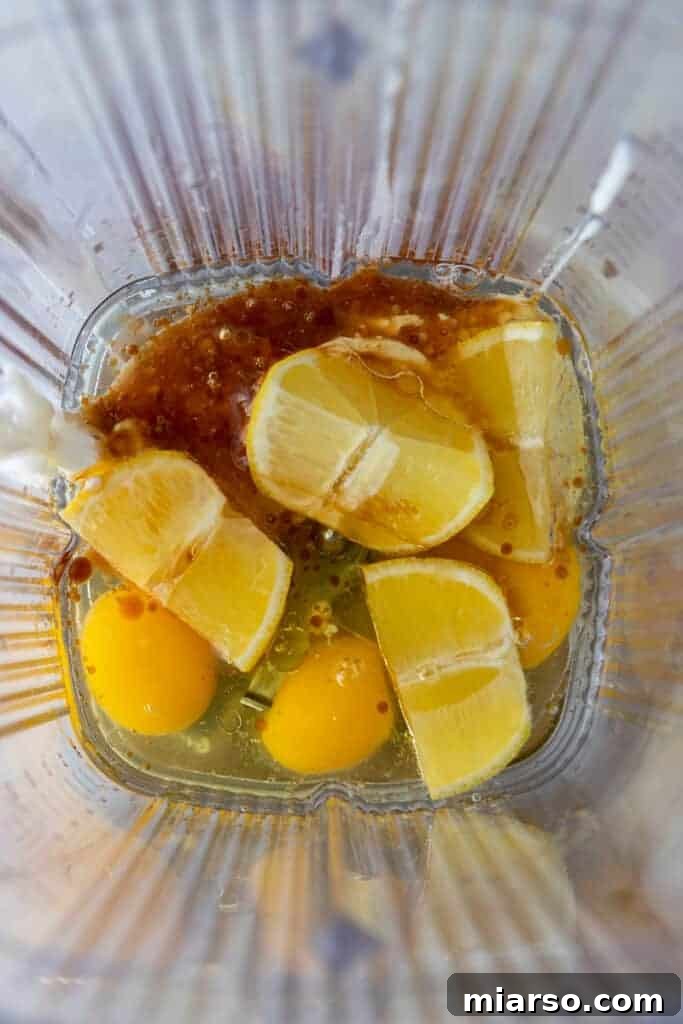
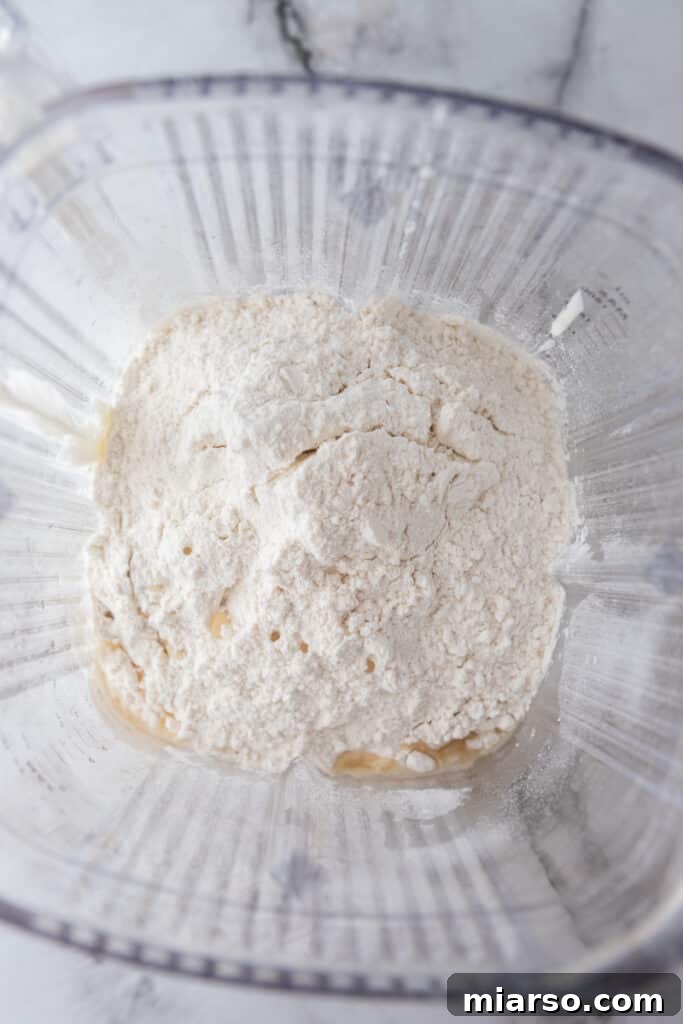
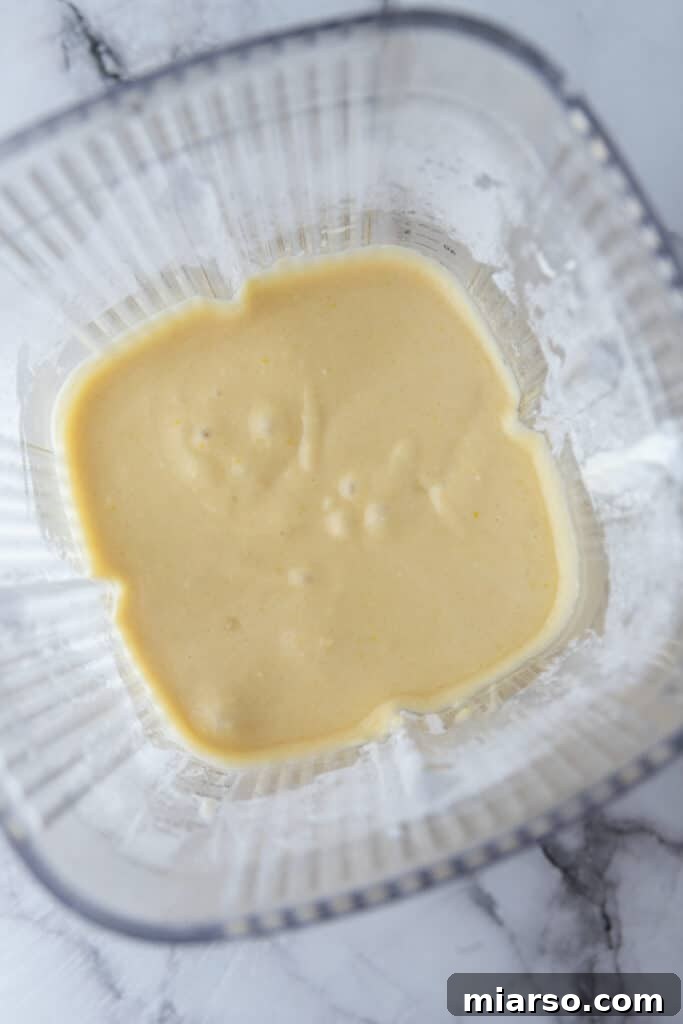
- Blend the Batter: In your blender, combine the chopped whole lemon chunks (with seeds removed), granulated sugar, large eggs, vegetable oil, sour cream (or Greek yogurt), and vanilla extract. Add the dry ingredients next: all-purpose flour, baking powder, baking soda, and salt. Secure the lid and blend for approximately 30 seconds. The goal is to achieve a completely smooth, thick cake batter with no visible lemon pieces. Scrape down the sides if necessary to ensure everything is well combined.
- Bake the Loaf: Carefully pour the blended batter into your prepared loaf pan. Use a spatula to gently smooth out the top, ensuring an even bake. Transfer the pan to your preheated oven and bake for 47-51 minutes, or until a wooden skewer or toothpick inserted into the center of the loaf comes out clean. This indicates that the cake is fully cooked through.
- Cool the Cake: Once baked, remove the loaf pan from the oven. Allow the lemon loaf to cool in the pan for about 10 minutes. This crucial resting period helps the cake firm up and prevents it from crumbling when removed. After 10 minutes, use the parchment paper overhang to lift the cake out of the pan and transfer it to a wire rack to cool completely to room temperature. This prevents condensation and ensures a perfect glaze.
- Prepare the Lemon Glaze: While the cake cools, prepare your simple yet luscious lemon glaze. In a small bowl, whisk together the powdered sugar and fresh lemon juice until a smooth, pourable consistency is achieved. If the glaze is too thick, add a few more drops of lemon juice; if too thin, incorporate a small amount of additional powdered sugar until you reach your desired consistency.
- Glaze and Serve: Once the lemon loaf has cooled completely, evenly drizzle the prepared lemon glaze over the top. Allow the glaze to set for a few minutes (this will vary depending on your kitchen’s humidity) before slicing your beautiful Whole Lemon Blender Cake. Serve and enjoy this incredibly zesty and moist treat!

Why You Absolutely Need to Make This Whole Lemon Blender Cake!
This Whole Lemon Blender Cake isn’t just another dessert; it’s an experience waiting to happen. Here’s why this recipe deserves a prime spot in your baking repertoire:
- Unbeatable Lemon Flavor: This citrus cake delivers the perfect amount of bright, authentic lemon flavor, enhanced by a sweet and tangy lemon sugar glaze. It’s truly satisfying, especially during warmer weather when you crave something refreshing.
- Effortless Preparation: The innovative “blender” method means minimal effort and cleanup. Simply combine all ingredients in one device, blend, and pour. It’s baking simplified, making it accessible even for those new to the kitchen.
- Perfect for Planning Ahead: This lemon loaf is an excellent make-ahead dessert. Its flavors develop beautifully overnight, making it ideal to prepare for weekend get-togethers, potlucks, or busy weeknight treats.
- Eco-Friendly and Zero Waste: For the environmentally-conscious baker, this recipe is a dream come true. By utilizing the entire lemon—rind and all—you significantly reduce food waste, making it a sustainable and smart choice.
- Simple, Accessible Ingredients: You won’t need to hunt for obscure items. This recipe calls for just a few basic, readily available ingredients that you can easily find at any grocery store, making spontaneous baking sessions a reality.
- Impressive Presentation: Despite its simplicity, the finished cake, especially with its glossy lemon glaze, looks incredibly elegant and professional. It’s guaranteed to impress your guests without revealing how little effort it took!
Frequently Asked Questions (FAQ) About Our Whole Lemon Blender Cake
Got questions about making this amazing Whole Lemon Blender Cake? We’ve got answers to help you achieve baking perfection!

Can I use a food processor instead of a blender?
Absolutely, a food processor can certainly be used as an alternative to a blender for this recipe. The primary goal is to finely process the whole lemon and thoroughly combine all the ingredients to create a smooth, lump-free batter, regardless of the appliance you choose. However, there’s a slight difference in technique to consider.
If you’re using a food processor, especially one that isn’t particularly powerful, it’s often best to blend the wet ingredients first. This includes the chopped lemon, sugar, eggs, oil, sour cream, and vanilla extract. Process these until the lemon rind is completely pulverized and the mixture is smooth. Food processors might require a bit more time to fully incorporate the whole lemon compared to high-speed blenders. Once the wet ingredients are smooth, you can then add the dry ingredients (flour, baking powder, baking soda, and salt) and pulse just until a thick cake batter forms. Be careful not to overmix once the flour is added, as this can lead to a tough cake. If you have a very strong and large food processor, you might be able to add everything at once, but processing the wet ingredients first ensures the lemon is perfectly pureed.
How do I store leftover Whole Lemon Blender Cake?
Proper storage is key to keeping your delicious Whole Lemon Blender Cake fresh and moist. Once the cake has cooled completely and the glaze has set, you should store it in an airtight container. At room temperature, on your countertop, it will stay fresh and delicious for up to three days. For extended freshness, you can refrigerate the cake in an airtight container for up to one week. If you’re looking for an even longer storage solution, this cake freezes beautifully. Wrap individual slices or the entire loaf tightly in plastic wrap, then place it in a freezer-safe bag or container. It will keep well in the freezer for up to three months. When you’re ready to enjoy it, simply thaw it at room temperature or in the refrigerator overnight.

Can I make a gluten-free version of this lemon cake?
Yes, absolutely! Making a gluten-free version of this Whole Lemon Blender Cake is quite simple. You can substitute the all-purpose flour with a high-quality 1:1 gluten-free flour blend. When choosing your blend, make sure it is specifically formulated for baking and contains xanthan gum, as this helps to provide structure and elasticity that gluten typically offers. Brands like King Arthur Measure for Measure, Bob’s Red Mill 1-to-1 Baking Flour, or Cup4Cup are often reliable choices. Always follow the package directions for your specific gluten-free flour blend, as some may recommend slight adjustments to liquid content or resting time for optimal texture. With the right blend, your gluten-free lemon blender cake will be just as moist, zesty, and delightful as the original!
Won’t the cake be too bitter from the rind? How do I prevent that?
This is a common and understandable concern when using the whole lemon! The secret to avoiding excessive bitterness lies in a couple of key factors. Firstly, ensuring you remove all the seeds from the lemon before blending is paramount, as seeds are a primary source of bitterness. Secondly, the type of lemon you choose can make a significant difference. Sweeter lemon varieties, such as whole Meyer lemons, are naturally less bitter and have thinner rinds, making them excellent candidates for this recipe.
In my experience, I specifically used “Wonderful” lemons because they are typically seedless and have a relatively thin rind. While there was still a very subtle, almost pleasant hint of bitterness from the rind, this was beautifully counterbalanced by the vibrant tangy and sweet flavors of the homemade lemon icing. This combination created a sophisticated, intricate flavor profile that reminded me of a fancy restaurant-style dessert. It wasn’t an overwhelming bitterness, but rather an added layer of complexity that elevated the entire cake. So, with careful lemon selection and the bright glaze, the rind adds depth rather than unwanted bitterness.

Whole Lemon Blender Cake Recipe
Whole Lemon Blender Cake
This whole lemon blender cake is a unique creation, made with an entire lemon blended directly into the batter to impart a truly distinct and vibrant flavor. Best of all, it’s ready to bake in just a couple of minutes!
- Prep time: 5 minutes
- Cook time: 50 minutes
- Total time: 55 minutes
- Servings: 12 slices
Ingredients
- For the Cake:
- 1 whole lemon, preferably organic, seeds removed, chopped into chunks. Meyer lemon preferred.
- 1 cup granulated sugar
- 3 large eggs
- 1/3 cup vegetable oil (or peanut oil or canola oil)
- 1/3 cup sour cream or plain Greek yogurt
- 1 teaspoon vanilla extract
- 2 cups all-purpose flour
- 1 1/2 teaspoons baking powder
- 1/2 teaspoon baking soda
- 1/4 teaspoon salt
- For the Glaze:
- 1 cup powdered sugar
- 2-3 tablespoons fresh lemon juice
Instructions
- Prepare Oven and Pan: Preheat your oven to 350°F (175°C). Grease a 9×5 inch loaf pan and line it with parchment paper, allowing some overhang on the longer sides for easy lifting.
- Blend the Batter: In a high-speed blender, combine the chopped whole lemon chunks, granulated sugar, large eggs, vegetable oil, sour cream (or Greek yogurt), and vanilla extract. Add the all-purpose flour, baking powder, baking soda, and salt. Blend for about 30 seconds, or until all ingredients are thoroughly combined and the mixture forms a thick, smooth cake batter with no visible lemon pieces. Scrape down the sides of the blender jar as needed to ensure even blending.
- Bake the Loaf: Pour the smooth batter into the prepared loaf pan. Using a spatula, gently smooth the top of the batter to ensure an even bake. Bake in the preheated oven for 47-51 minutes, or until a wooden skewer or toothpick inserted into the center of the cake comes out clean.
- Cool the Cake: Remove the baked loaf from the oven. Allow it to cool in the pan for approximately 10 minutes. This resting period helps the cake to set and prevents it from breaking. After 10 minutes, use the parchment paper overhang to carefully lift the loaf out of the pan and transfer it to a wire rack to cool completely to room temperature.
- Prepare the Glaze: While the cake cools, prepare the lemon glaze. In a small bowl, whisk together the powdered sugar and 2-3 tablespoons of fresh lemon juice until smooth and lump-free. Adjust the consistency by adding more lemon juice (for a thinner glaze) or a little more powdered sugar (for a thicker glaze), as desired.
- Glaze and Serve: Once the lemon loaf is completely cool, generously drizzle the prepared lemon glaze over the top. Allow the glaze to set for a few minutes before slicing and serving this delightfully zesty and moist Whole Lemon Blender Cake.
Nutrition (Approximate per serving)
- Calories: 261
- Carbohydrates: 44g
- Protein: 4g
- Fat: 8g
- Saturated Fat: 2g
- Polyunsaturated Fat: 4g
- Monounsaturated Fat: 2g
- Trans Fat: 0.05g
- Cholesterol: 43mg
- Sodium: 169mg
- Potassium: 67mg
- Fiber: 1g
- Sugar: 27g
- Vitamin A: 82IU
- Vitamin C: 6mg
- Calcium: 50mg
- Iron: 1mg
Nutrition information is automatically calculated and should only be used as an approximation.
If you loved this recipe, consider leaving a comment below to share your experience!

If You Enjoyed This Whole Lemon Blender Cake Recipe, Make Sure to Pin It for Later!
Don’t let this incredible recipe get lost! If you’ve enjoyed making (or even just reading about) this fantastic Whole Lemon Blender Cake, make sure to save it for future baking adventures. Pin it to your favorite dessert boards on Pinterest so you can easily find it whenever a craving for a zesty, moist, and effortlessly delicious lemon loaf strikes. It’s the perfect recipe to revisit for entertaining, a weekend treat, or just because!