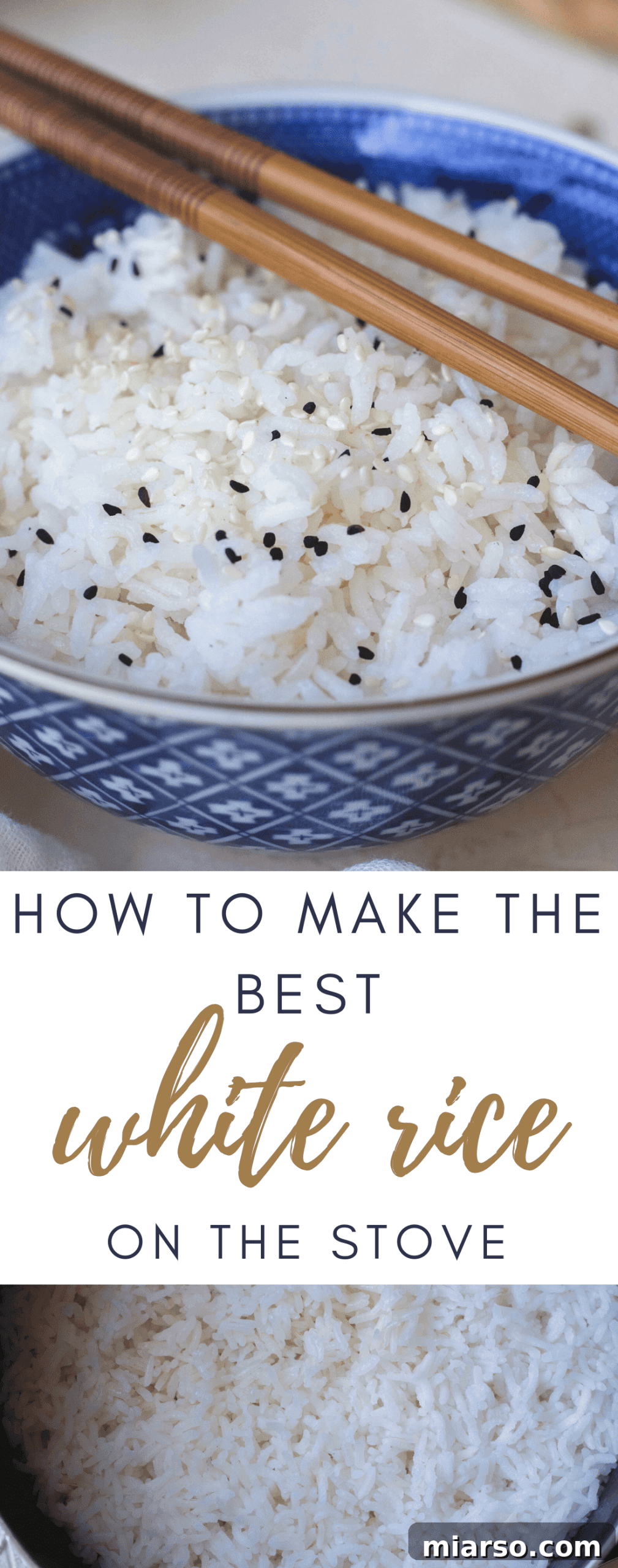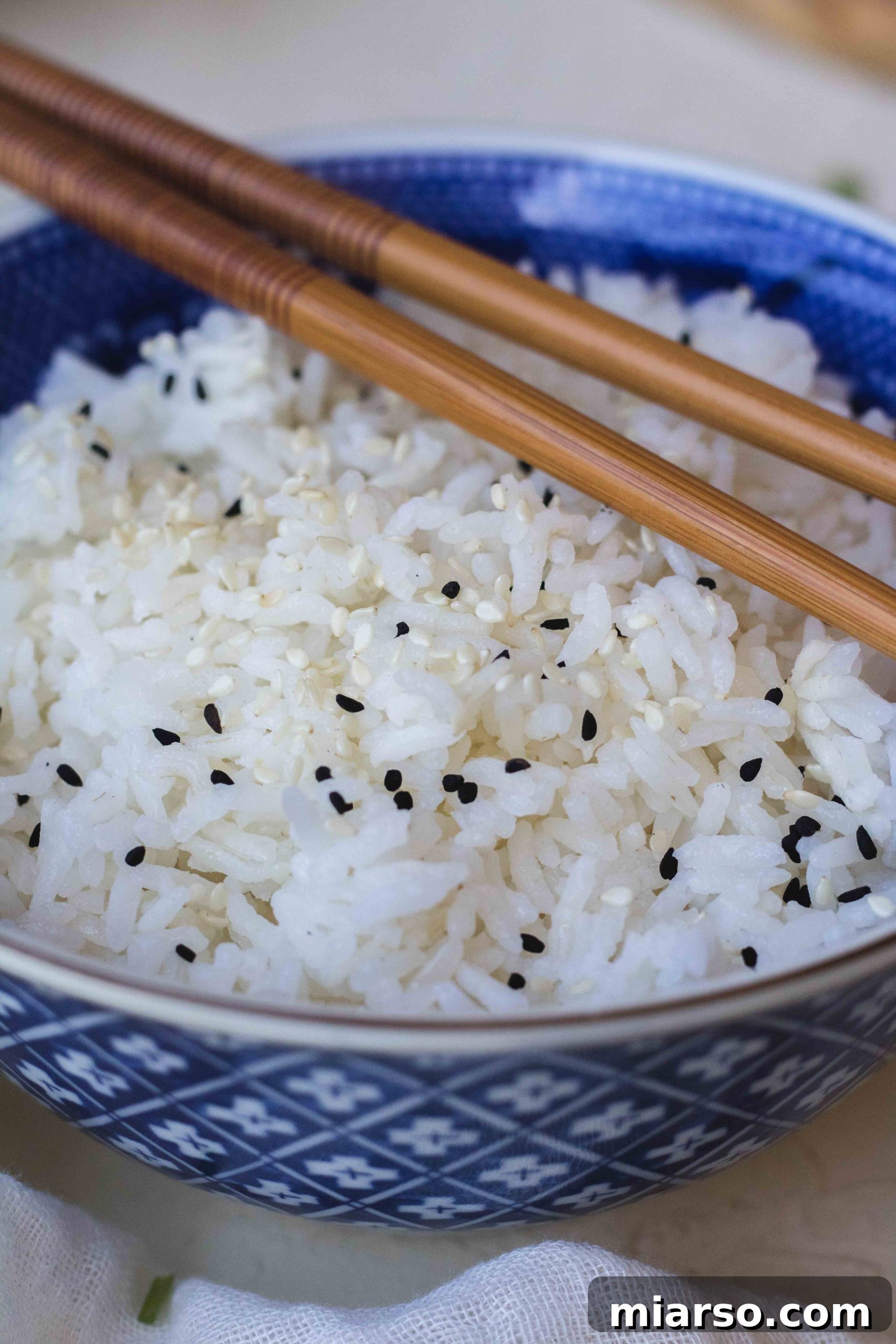
Welcome to the definitive guide on mastering the art of cooking perfect white rice on your stovetop! Forget complicated gadgets or expensive rice cookers; with just a few simple tips and tricks, you can achieve soft, fluffy, and light white rice every single time, all in under 30 minutes. This comprehensive article will transform your rice-cooking skills, ensuring you serve up a flawless side dish that complements any meal.
Unlock Culinary Secrets: Sign Up for Our Weekly Newsletter!
Join our community of food enthusiasts! Subscribe to our mailing list to receive a FREE weekly meal planner, exclusive recipe cards, and insider tips delivered directly to your inbox. Elevate your home cooking with fresh ideas and easy-to-follow recipes.
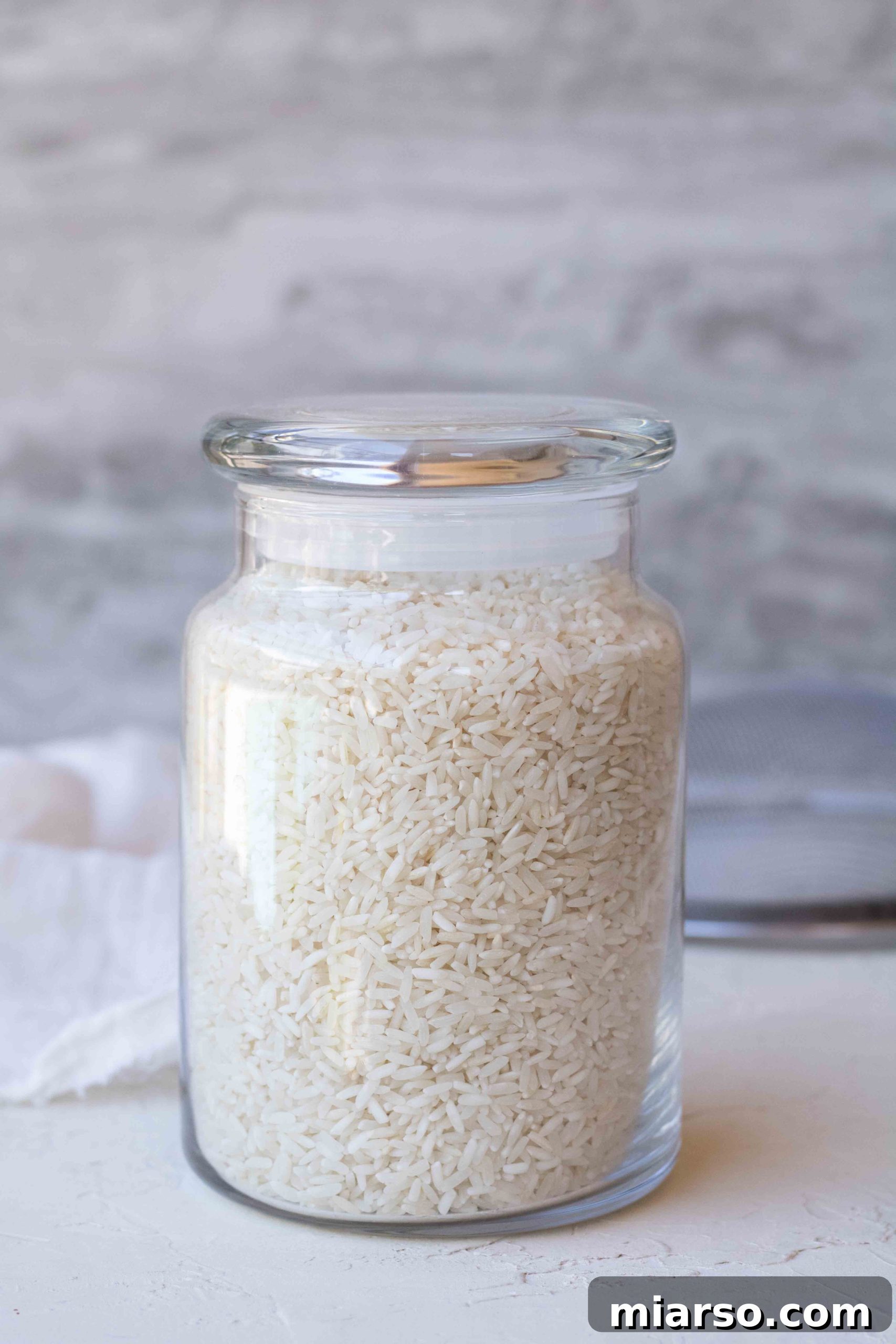
Hello everyone! Let’s talk about a kitchen staple that often gets overlooked but is crucial to countless cuisines: white rice. It’s an ingredient many of us rely on for quick, comforting meals, especially when time is short or we’re looking to stretch our pantry essentials. I recently noticed a surge in rice purchases at the grocery store, highlighting its universal appeal as a non-perishable necessity. It makes perfect sense; having a well-stocked pantry with versatile items like rice is a smart move for any household.
For me, rice is a go-to when I crave something simple yet satisfying. It’s the perfect foundation for so many dishes, and my family especially loves my fluffy white rice served alongside rich curries or hearty bean stews. There’s a certain magic to perfectly cooked rice – it can truly elevate a meal, transforming it from good to extraordinary. If you’ve ever struggled to achieve that ideal texture, you’re in the right place. We’re about to demystify stovetop rice cooking, ensuring you can confidently prepare this humble grain with consistently delicious results.
Why This Stovetop White Rice Method Stands Out
My method for cooking white rice on the stovetop isn’t just another recipe; it’s a foolproof technique designed for consistent success. Here’s what makes it truly special and why you’ll love it:
- **Incredibly Easy to Master:** Even if you consider yourself a novice cook, this guide breaks down the process into simple, manageable steps, guaranteeing a perfect outcome.
- **Versatile Pairing:** Fluffy white rice is the ultimate chameleon of side dishes. It beautifully complements a vast array of cuisines, from spicy Asian stir-fries to comforting Latin American beans, rich Indian curries, and savory European stews.
- **Budget-Friendly:** Rice is one of the most economical staples you can buy, offering incredible value and satiety, making it a smart choice for any budget-conscious kitchen.
- **Surprisingly Quick:** You’ll be amazed at how fast you can go from dry grains to perfectly cooked rice, typically ready in less than 30 minutes.
- **Consistently Perfect Texture:** Say goodbye to mushy or crunchy rice! This method ensures light, soft, and perfectly separated grains every single time, a texture that will impress even the most discerning palates.
Essential Ingredients for Perfect Stovetop White Rice
Crafting perfect white rice on the stove requires surprisingly few ingredients. The beauty lies in the simplicity and the correct technique. Here’s all you’ll need to transform basic pantry items into a delicious side dish:
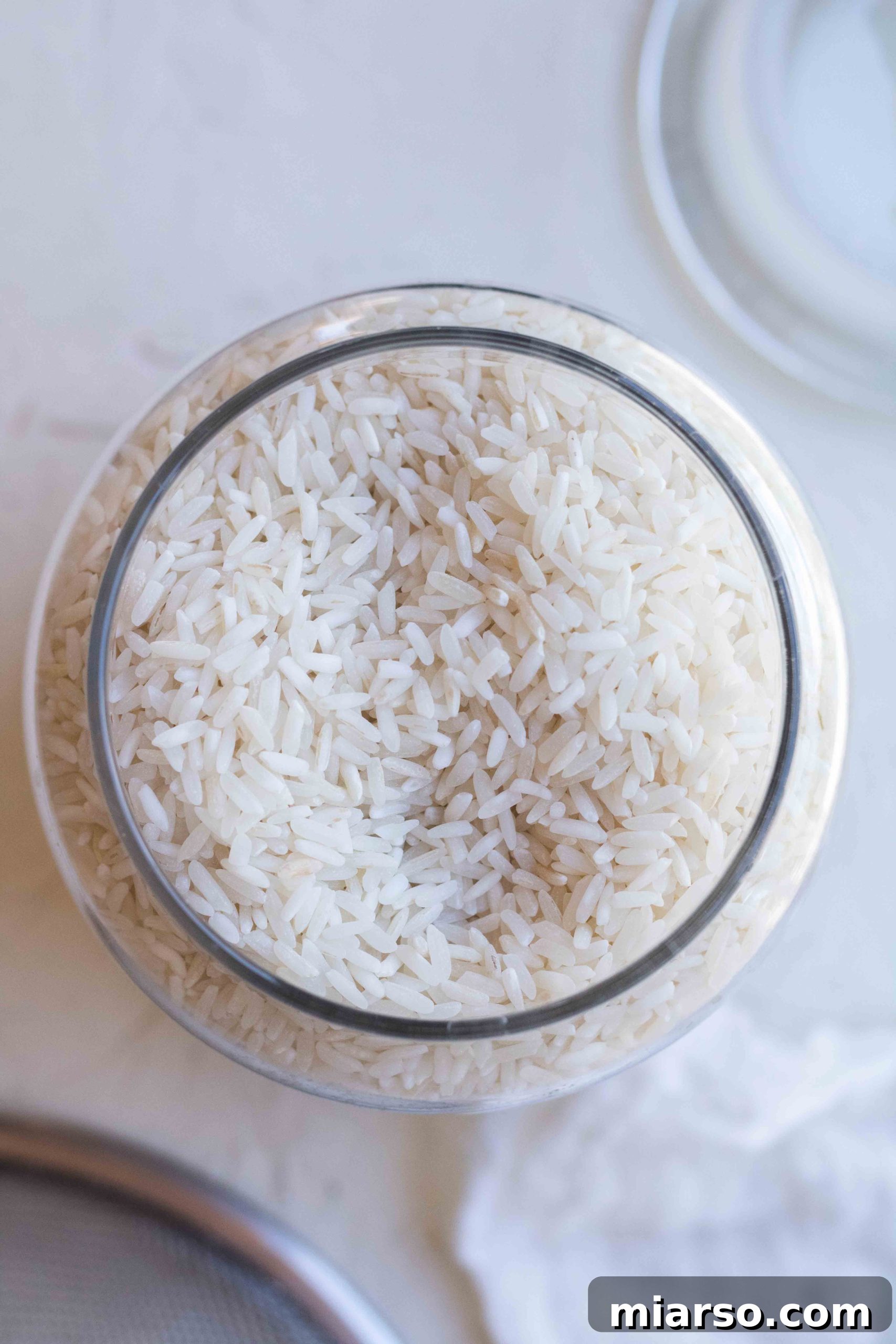
- White Rice: While the recipe primarily focuses on long-grain white rice, this method can be adapted for other varieties like Basmati or Jasmine with slight adjustments to the water ratio. We’ll dive deeper into rice types shortly.
- Water: The primary cooking medium. Using the correct ratio is paramount for achieving the desired texture.
- Salt: Essential for seasoning and enhancing the natural flavor of the rice. Don’t skip this!
- Butter or Oil: A small amount of fat adds richness, helps prevent sticking, and contributes to the fluffy texture. Olive oil, butter, or even a neutral cooking oil like canola work beautifully.
Explore More Culinary Guides You’ll Love!
If you’ve enjoyed learning the secrets to perfect white rice, you might also be interested in mastering other basic yet essential cooking techniques. Check out these related articles to expand your culinary repertoire:
- How to Bake Sweet Potatoes in the Oven for a Perfectly Tender Side
- Mastering Red Quinoa: A Stovetop Guide to Fluffy, Nutritious Grains
- Quick and Easy Caramelized Bell Peppers: Elevate Your Dishes with Sweetness
Understanding the Golden Rule: Rice to Water Ratio
The secret to perfect, non-sticky, and fluffy rice lies largely in getting the water ratio just right. This isn’t a one-size-fits-all rule, as it can vary slightly depending on the type of white rice you use (long-grain vs. medium-grain, Basmati vs. Jasmine), the age of the rice, and even the type of pot you’re cooking in (a wider pot allows more evaporation, potentially requiring more water). However, for a standard long-grain white rice in a medium pot with a tight-fitting lid, we generally aim for a specific range.
What is the optimal water to rice ratio?
For most standard long-grain white rice varieties, a good starting point is between 1 ½ to 1 ¾ cups of water for every 1 cup of dry rice. For the specific foolproof recipe we’re sharing today, we recommend 1 ¾ cups of water per 1 cup of rice to achieve that ideal fluffy texture. This slightly higher ratio helps ensure full absorption and even cooking without resulting in mushiness, especially after the crucial resting period.
How much water do I use for 1 cup of rice?
To cook 1 cup of dry white rice, you will need approximately 1 ½ to 1 ¾ cups of water. We recommend 1 ¾ cups for a softer, fluffier result.
How much water do I use for 2 cups of rice?
For 2 cups of dry white rice, double the amount, using between 3 to 3 ½ cups of water. Aim for 3 ½ cups for our recommended texture.
How much water do I use for 3 cups of rice?
If you’re cooking 3 cups of dry white rice, you’ll need approximately 4 ½ to 5 ¼ cups of water (1.5x to 1.75x ratio). Using the 1.75x ratio gives you 5 ¼ cups of water.
How much water do I use for 4 cups of rice?
For a larger batch of 4 cups of dry white rice, prepare 6 to 7 cups of water (again, 1.5x to 1.75x ratio). Opt for 7 cups of water for optimal fluffiness as per our method.
How Long Does it Take to Cook White Rice on the Stove?
Cooking white rice on the stovetop is a relatively quick and efficient process, typically completed within half an hour. The total cooking time can be broken down into a few key stages:
First, you’ll need to bring the water to a rolling boil. This initial step can take anywhere from 3 to 8 minutes, depending on the volume of water and rice you’re using, as well as the heat intensity of your stove. Larger quantities will naturally take a bit longer to reach boiling point.
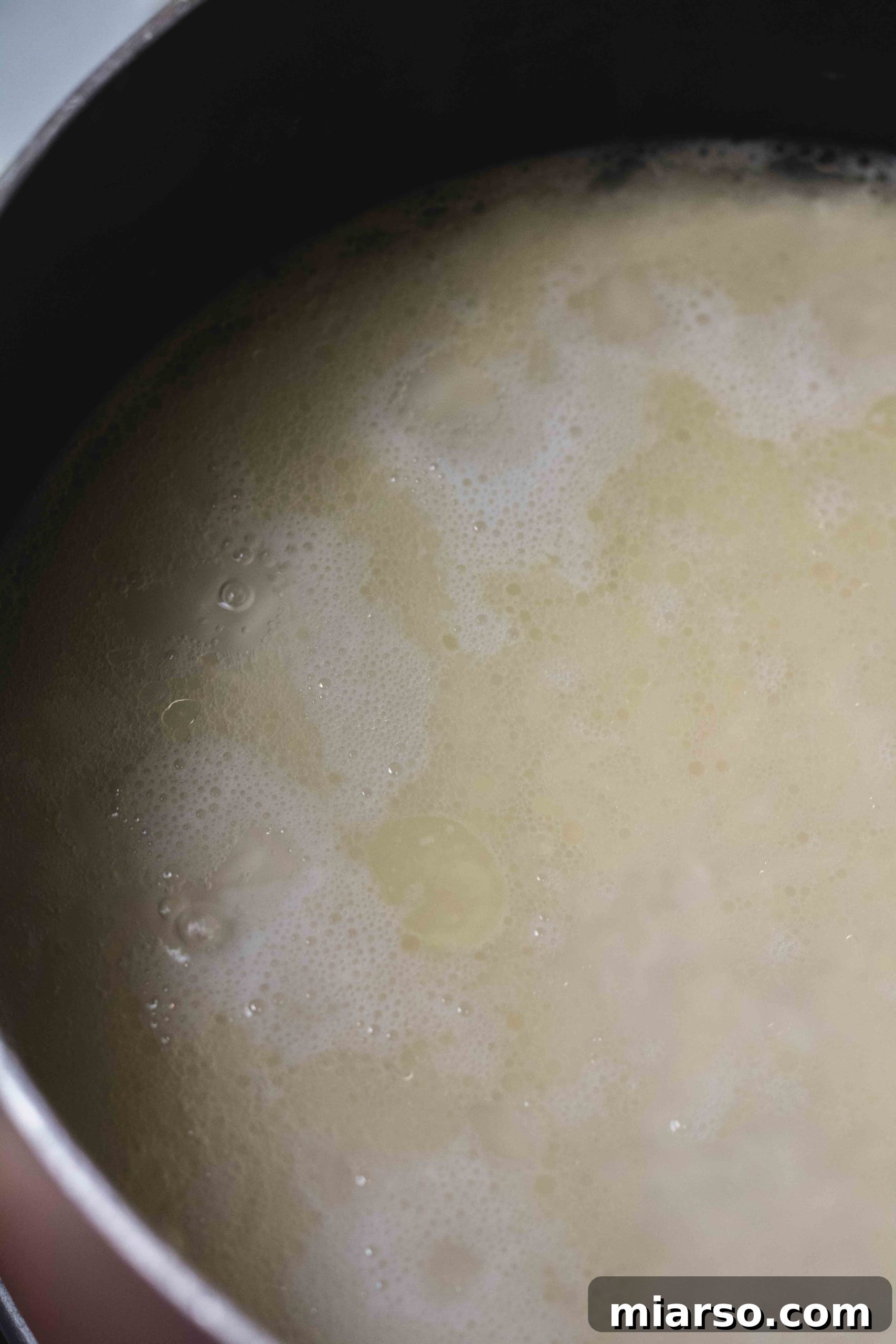
Once the water is vigorously boiling, it’s crucial to reduce the heat significantly. You want the rice to transition from a rapid boil to a gentle simmer. After reducing the heat, cover the pot with a tight-fitting lid and let it cook undisturbed for 15-20 minutes. During this period, the rice grains slowly absorb the water, softening and expanding into their fluffy form.
Therefore, from start to finish – including the time it takes to bring the water to a boil and the simmering period – stovetop white rice usually requires about 25-30 minutes of total cooking time. Remember, the “resting” phase after cooking is equally important and adds a few extra minutes, but that’s crucial for the final perfect texture.
The Secret to Non-Sticky Rice: Why Rinsing is Key
One of the most common complaints about cooking rice is ending up with a sticky, clumpy mess instead of separate, fluffy grains. To understand how to prevent sticky rice, we first need to understand the culprit behind it: starch.
When rice grains are harvested, processed, and transported, they rub against each other. This friction creates a thin, chalky layer of starch on the exterior of each grain. If this excess starch isn’t removed before cooking, it will dissolve into the cooking water, turning it viscous and causing the individual grains to stick together as they cook. The result is that undesirable sticky texture.
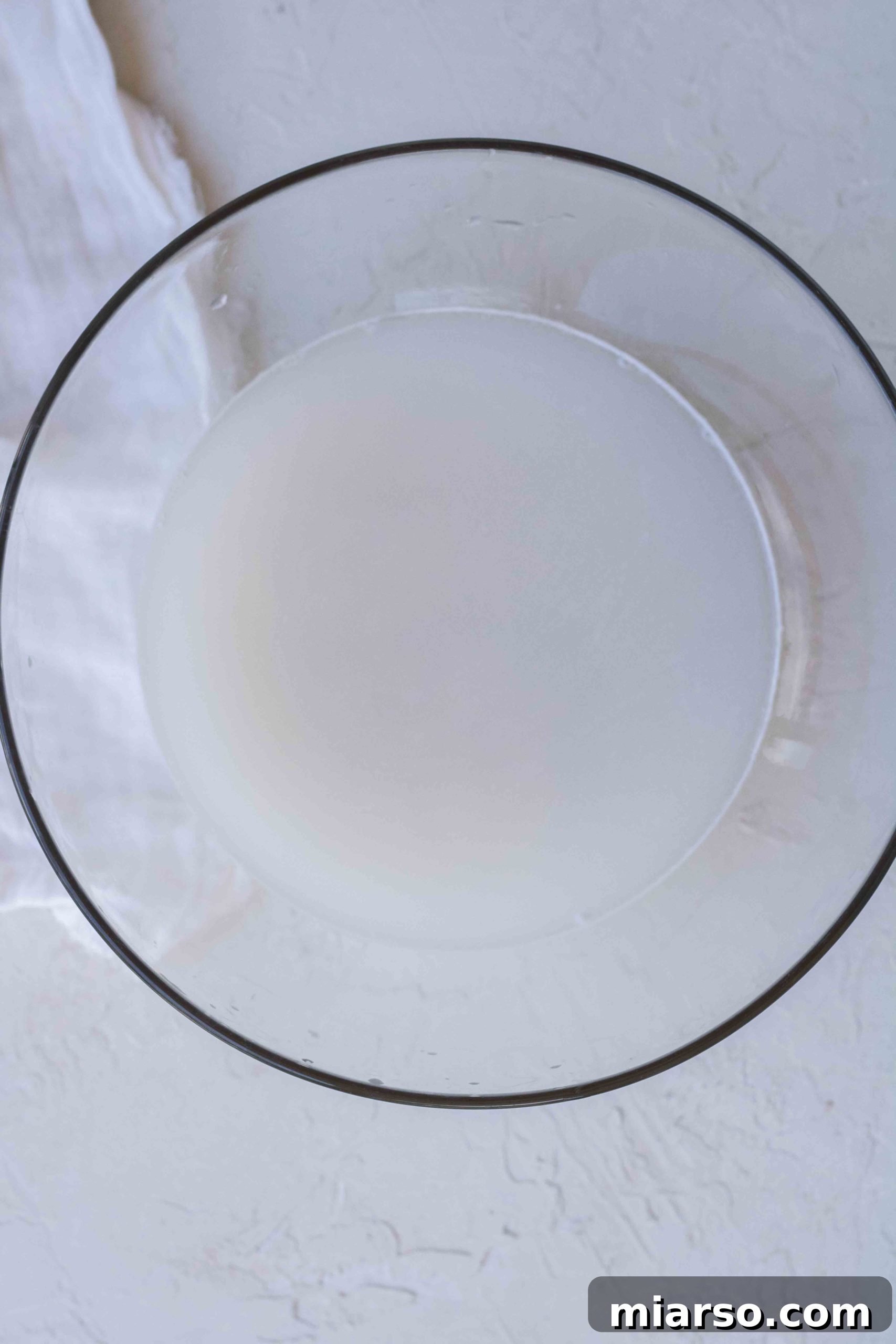
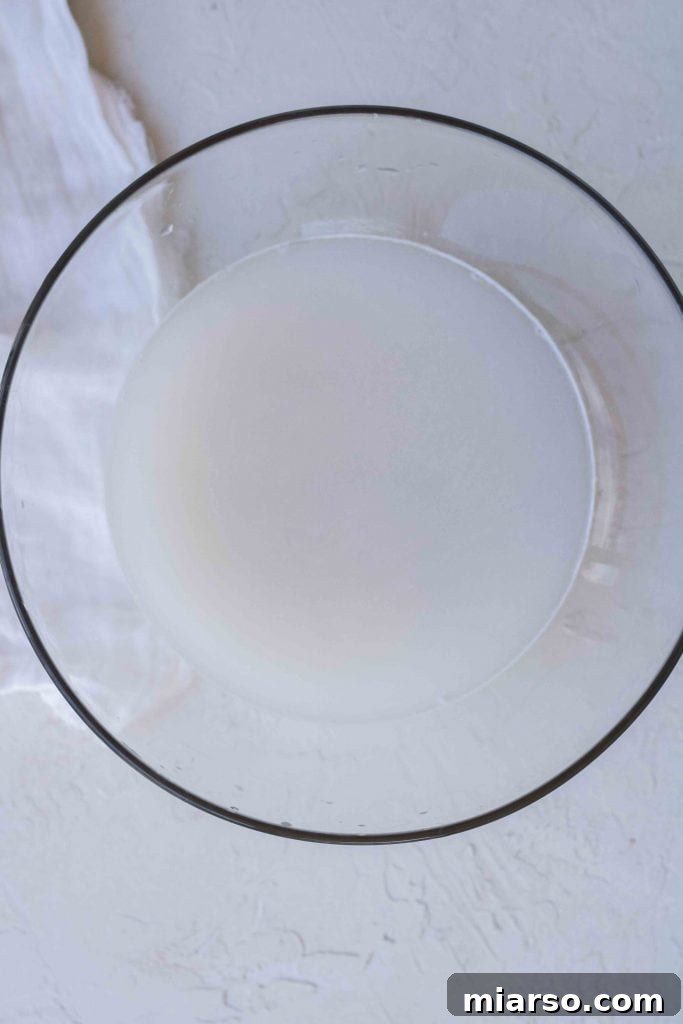
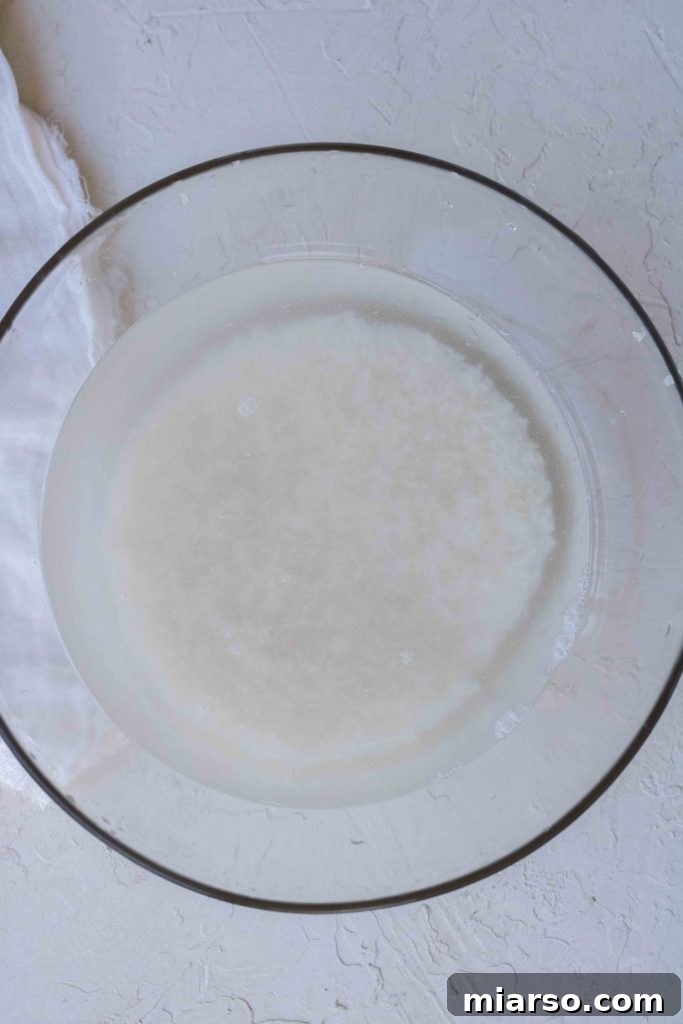
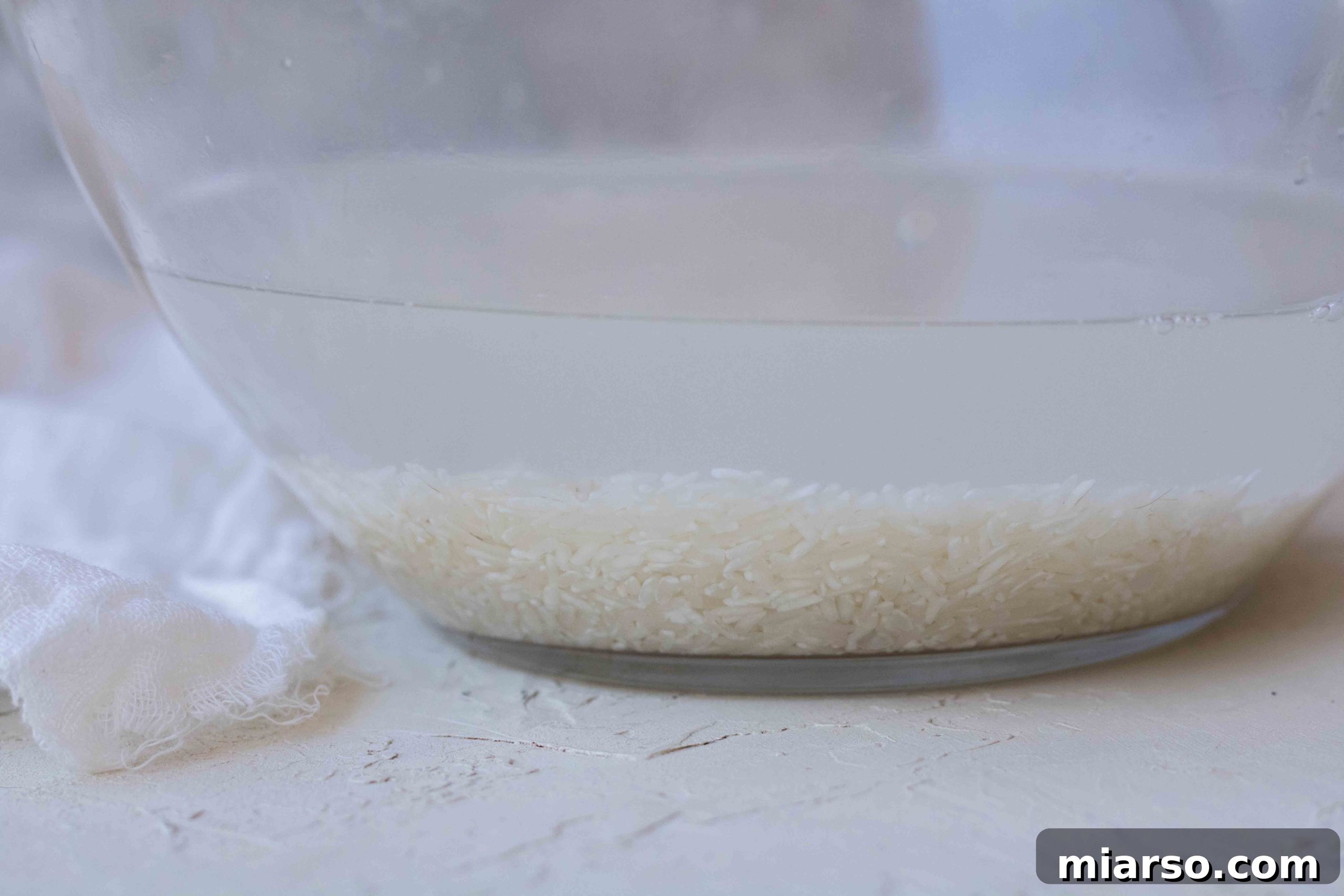
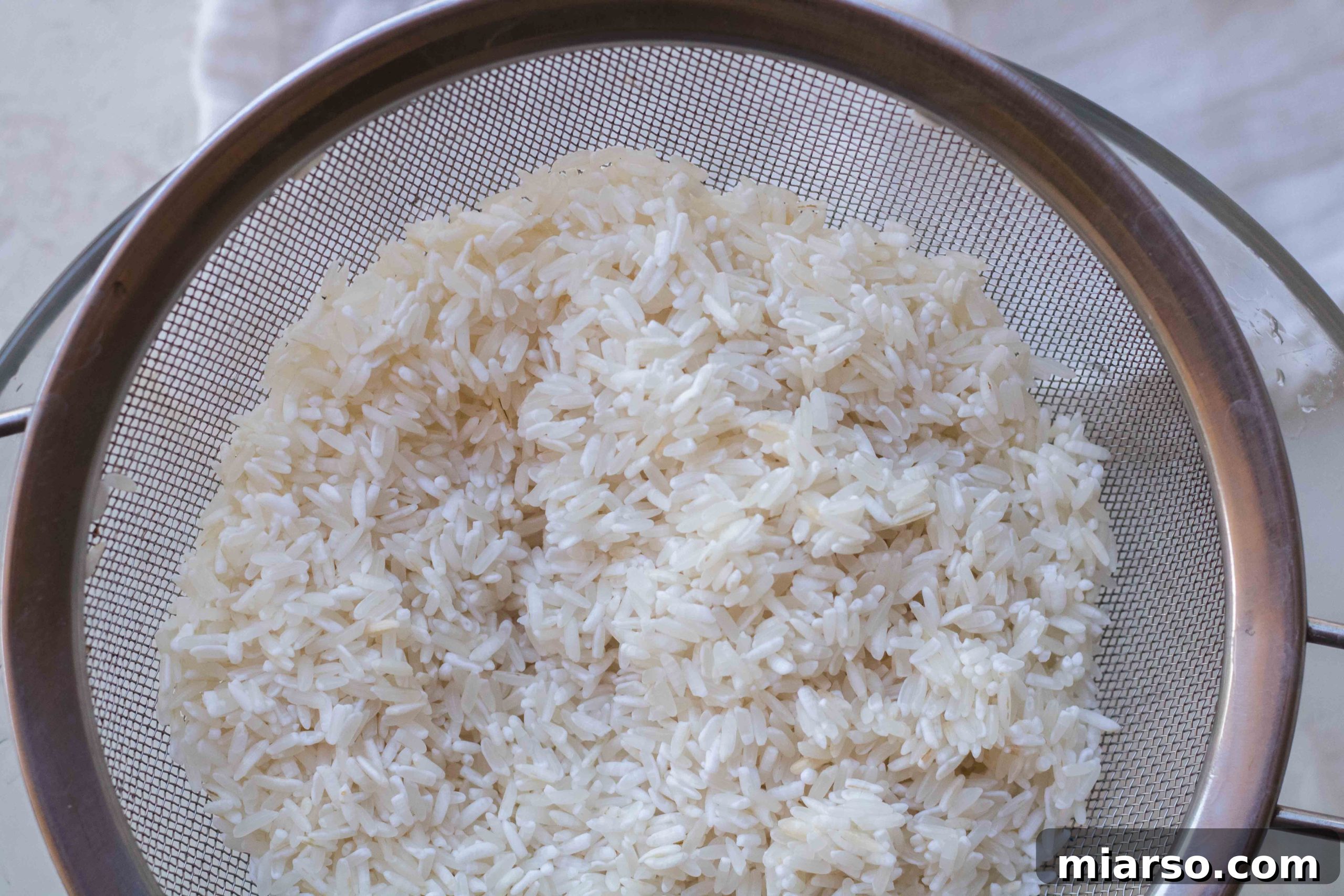
So, the straightforward and highly effective solution to this issue is to **thoroughly rinse your rice**. This simple step, often skipped, is paramount to achieving perfectly separated and fluffy white rice. When you rinse the rice under cold water, you’re washing away those surface starches. You’ll notice the water starting milky white and gradually becoming clearer. Continue rinsing until the water runs mostly clear. This indicates that most of the excess starch has been removed, paving the way for a beautiful, non-sticky batch of rice.
Next time a friend asks, “How do you keep white rice from getting sticky?”, you’ll have the perfect, expert answer ready!
How Much Rice Do I Need Per Person?
Determining the right amount of rice to cook can be a bit of a balancing act, as it depends on several factors: the appetites of those you’re serving, whether rice is the main component or a side dish, and what other accompaniments will be served. As a general rule of thumb, when planning your meal, I typically account for **½ to ¾ cup (approximately 60g-90g) of dry, uncooked rice per person.**
This estimation provides a generous serving, ensuring everyone gets enough without too much waste. Keep in mind that 1 cup of dry rice expands significantly during cooking, yielding about 2 to 3 cups of cooked rice. So, if you’re serving a larger group or if rice is a central part of the meal, it’s always better to err on the side of caution and cook a little extra.
The Crucial Resting Period: Why Cooked Rice Needs to Sit
You’ll notice in this recipe, and indeed in many stovetop rice cooking instructions, a seemingly simple but absolutely critical step: allowing the rice to rest, covered, for 10-30 minutes after it’s removed from the heat. It might be tempting to skip this waiting period, especially when hunger strikes, but resisting the urge is paramount to achieving perfectly cooked, evenly textured rice.
Here’s why this resting step is so vital:
When white rice cooks on the stovetop, the grains at the bottom of the pot, closer to the heat source, tend to cook more intensely and absorb moisture faster than those at the top. This can lead to an unevenly cooked batch, where the bottom is soft and tender, but the top layer might still have slightly firmer, less hydrated grains. The goal of perfectly cooked rice is a consistent, soft, and fluffy texture throughout the entire pot.
By allowing the rice to rest, undisturbed and with the lid firmly in place, you create a mini-steam chamber within the pot. The residual heat trapped inside continues to gently cook the rice, while the steam effectively redistributes the remaining moisture evenly throughout all the grains. This process allows the firmer top layers to fully hydrate and soften, while the bottom layers don’t become overcooked or mushy. It’s this resting period that ensures every single grain is perfectly tender, separate, and delightfully fluffy. So, for truly exceptional stovetop rice, never skip the rest!
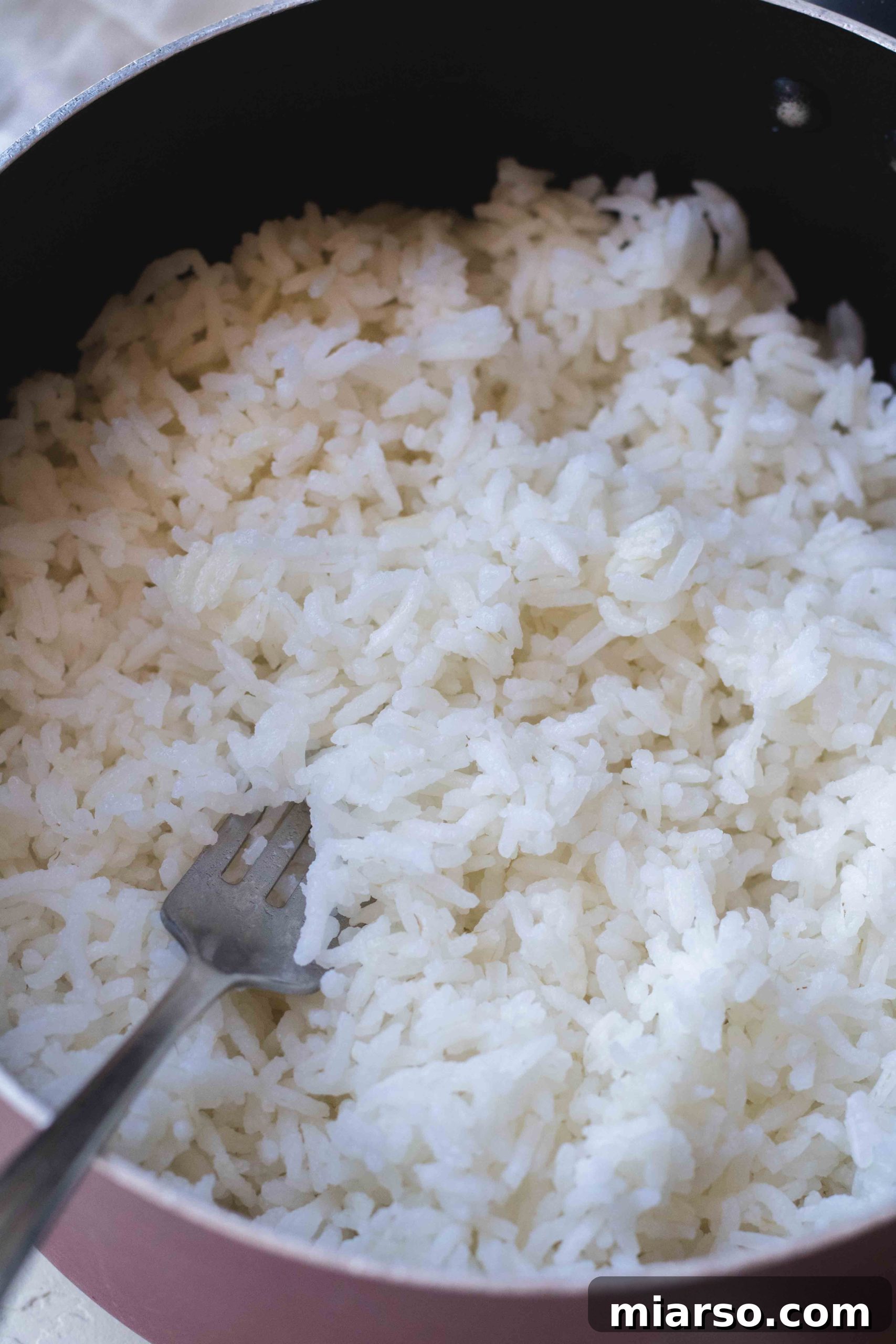
Expert Tips for Foolproof Stovetop Rice
Achieving consistently perfect rice is a skill every home cook can master. Beyond the basic steps, these expert tips will ensure your white rice is always fluffy, separate, and delicious:
- Always Rinse Your Rice: This cannot be emphasized enough! Rinsing is the most critical step to prevent sticky, mushy rice. Place your dry rice in a fine-mesh strainer and rinse it under cold running water. Agitate the grains gently with your hand. Continue rinsing until the water that drains from the bottom of the strainer runs clear. This process washes away excess surface starches, which are the main culprits behind clumpy rice.
- Don’t Skimp on Salt: While some prefer to add salt after cooking, incorporating it into the cooking water allows the rice grains to absorb the seasoning from within as they hydrate. This results in uniformly flavored rice, rather than just a salty exterior. A good starting point is about 1 teaspoon of salt per cup of dry rice, but adjust to your taste preferences.
- Maintain a Tight Lid and Resist Peeking: Once your rice comes to a boil and you reduce the heat to a simmer, put the lid on and leave it there! Lifting the lid, even for a quick peek, allows crucial steam and heat to escape. This disrupts the consistent cooking environment, potentially leading to unevenly cooked or undercooked grains. The trapped steam is essential for evenly cooking the rice and achieving that perfect fluffy texture.
- The Importance of Resting (Again!): After the cooking time is up and you’ve removed the pot from the heat, keep the lid on for an additional 10-15 minutes. This resting period allows the steam to redistribute throughout the rice, ensuring all grains, especially those at the top, become fully hydrated and tender. It’s the final step to guarantee a perfectly consistent texture from top to bottom.
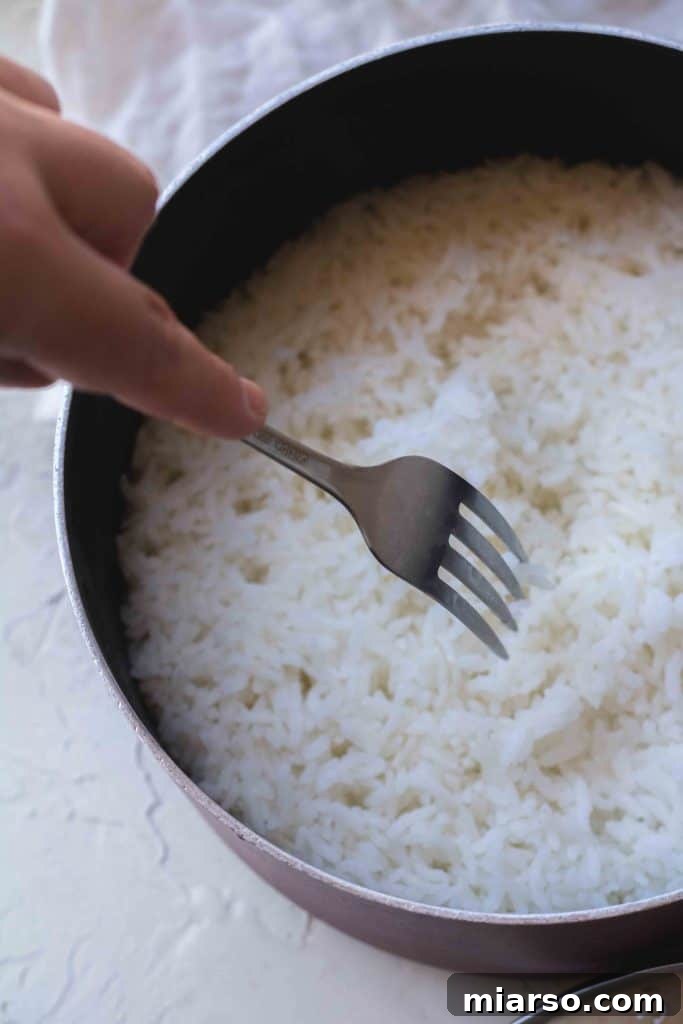
- Fluff with a Fork: Once rested, gently fluff the rice with a fork, rather than a spoon or spatula. A fork separates the grains without mashing them, preserving their light and airy texture.
- Choose the Right Pot: Use a heavy-bottomed pot with a tight-fitting lid. A heavy bottom helps distribute heat evenly, preventing scorching, and a tight lid traps steam effectively.
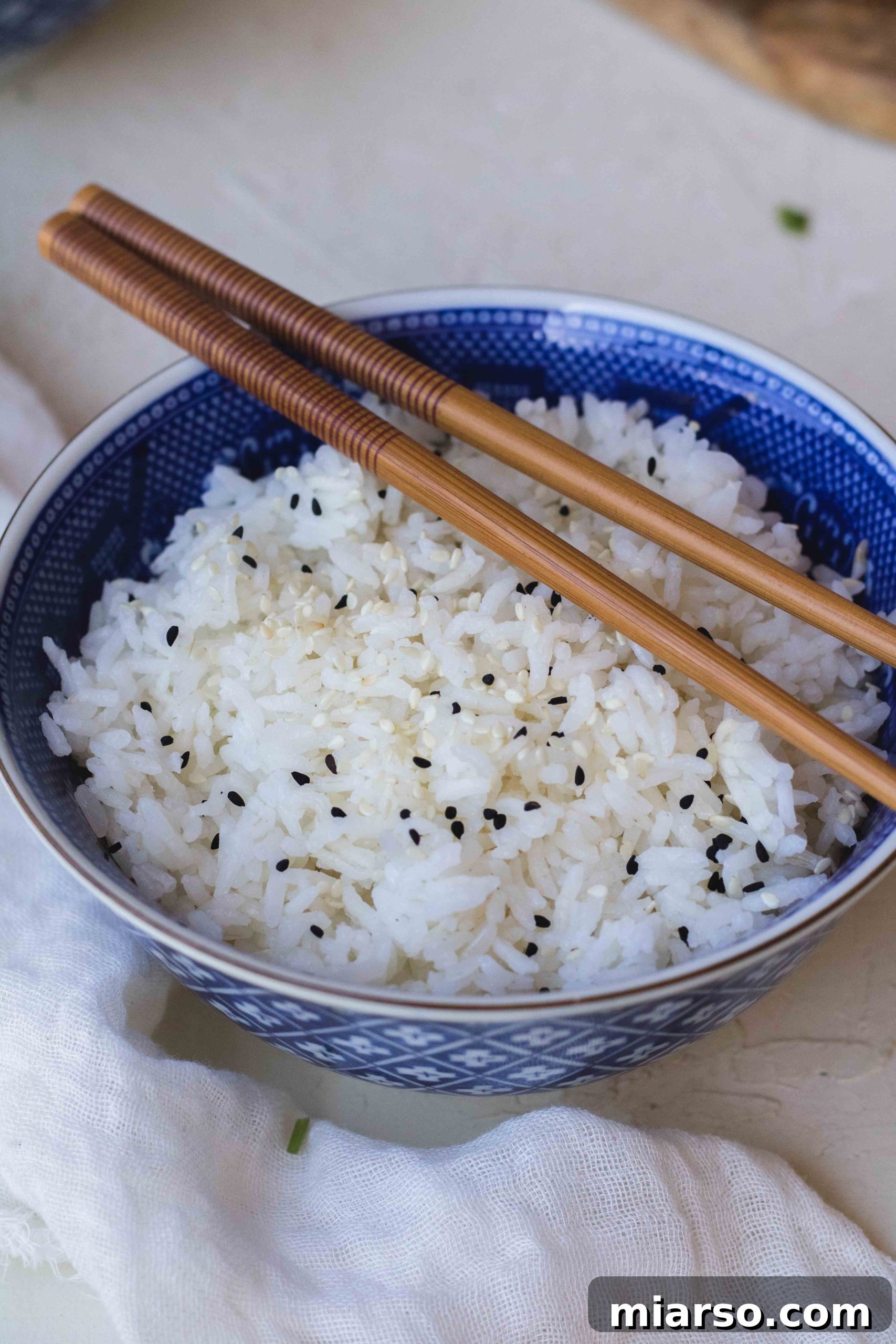
IF YOU MADE SOMETHING FROM LIFESTYLEOFAFOODIE, I WOULD LOVE TO SEE ALL YOUR CREATIONS AND KNOW HOW EVERYTHING TURNED OUT! SO DON’T FORGET TO LEAVE A COMMENT BELOW AND FOLLOW ALONG WITH ME ON INSTAGRAM, PINTEREST, AND FACEBOOK.
How to Make Foolproof White Rice on the Stove
Perfect Fluffy White Rice on the Stovetop
Print Recipe
Ingredients
- 1 cup white rice
- 1 ¾ cup water
- 1 tbsp butter or olive oil
- 1 tsp salt
Instructions
-
**Rinse the Rice:** Using a fine-mesh strainer, rinse the white rice under cold running water. Continue rinsing and gently agitating the rice until the water runs mostly clear. This step is essential to remove excess starches and prevent the rice from clumping.
-
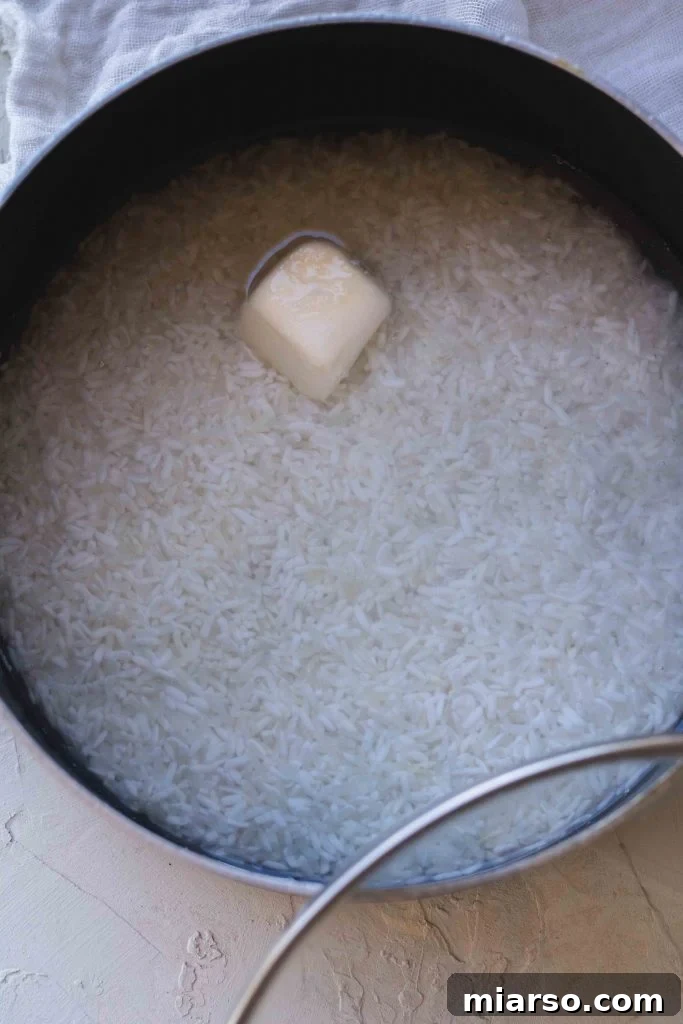
**Boil Ingredients:** In a medium pot with a tight-fitting lid, combine the rinsed rice, water, butter (or olive oil), and salt. Place the pot on the stove over medium-high heat and bring the mixture to a rolling boil.
-
**Simmer and Cook:** Once boiling, immediately reduce the heat to the lowest setting. Cover the pot tightly with the lid and let the rice simmer undisturbed for 18-20 minutes, or until all the water has been completely absorbed. Resist the urge to lift the lid during this time!
-
**Rest and Fluff:** Remove the pot from the heat, but **do not remove the lid**. Let the rice rest for an additional 10 minutes. This resting period allows the steam to redistribute and ensures uniformly cooked, fluffy grains. Finally, remove the lid, fluff the rice gently with a fork, and serve immediately.
Nutrition information is automatically calculated, so should only be used as an approximation.
How Many Servings Does 1 Cup of Dry Rice Yield?
Understanding how much cooked rice you’ll get from a specific amount of dry rice is key to meal planning and avoiding waste. As a general guideline, **1 cup of dry white rice typically yields about 2 to 3 cups of cooked rice.**
When it comes to serving size, 1 cup of dry rice is usually sufficient to serve about 2 to 3 people. This can vary based on whether the rice is a primary dish or a side, and the overall appetites of your diners. If you’re expecting guests with hearty appetites, or if rice is a central component of your meal, consider aiming for closer to 1 cup of cooked rice per person. In such cases, if you have more than 2 people, it’s always a good idea to scale up your recipe and cook a larger batch in a bigger pot to ensure everyone gets a satisfying portion.
Recommended Kitchen Essentials: Shop This Recipe
This post may contain affiliate links, meaning that at no additional cost to you, I will earn a small percentage of every purchase you make. These recommendations are for products I trust and use myself.
Love This Guide? Pin It for Later and Share the Fluffiness!
If you found this comprehensive guide on how to cook perfect white rice on the stovetop helpful, don’t keep these secrets to yourself! Pin this article to your favorite Pinterest board so you can easily reference it next time you’re cooking. Share it with friends and family who might also benefit from mastering this essential culinary skill. Happy cooking!