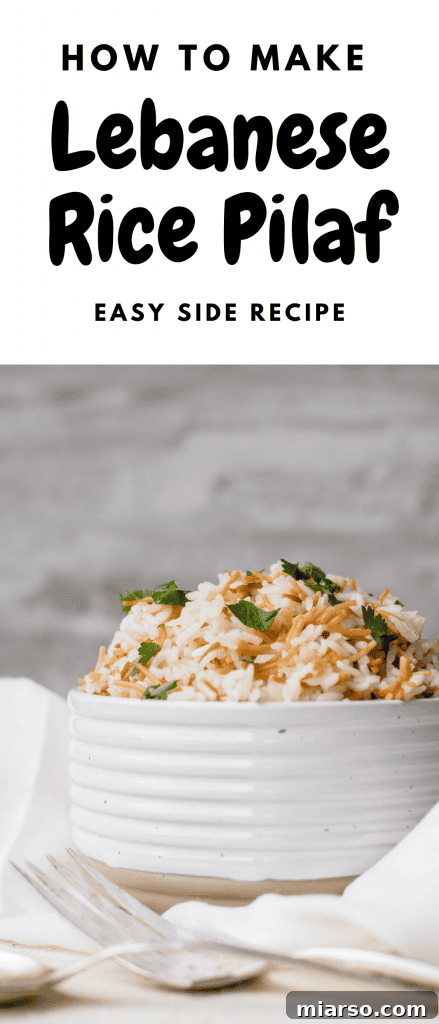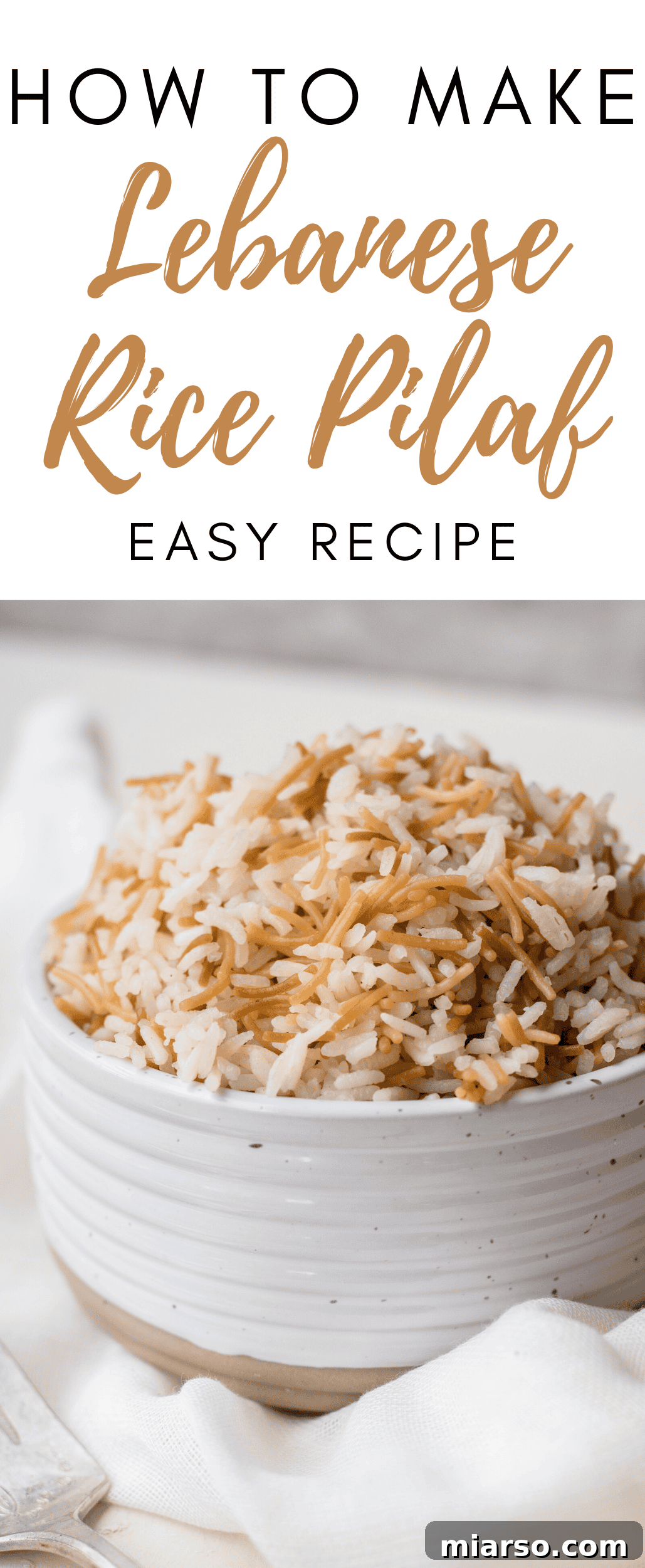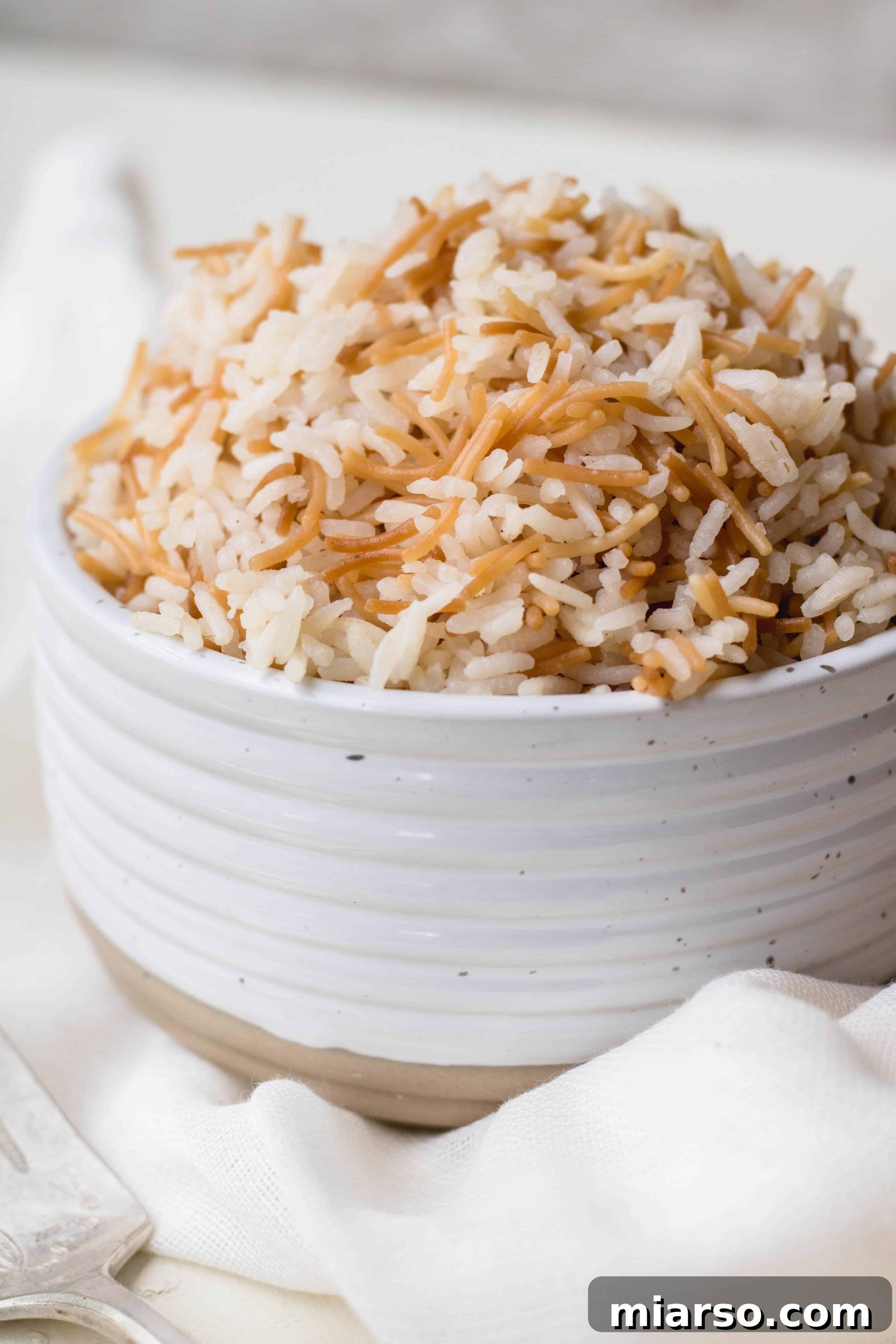
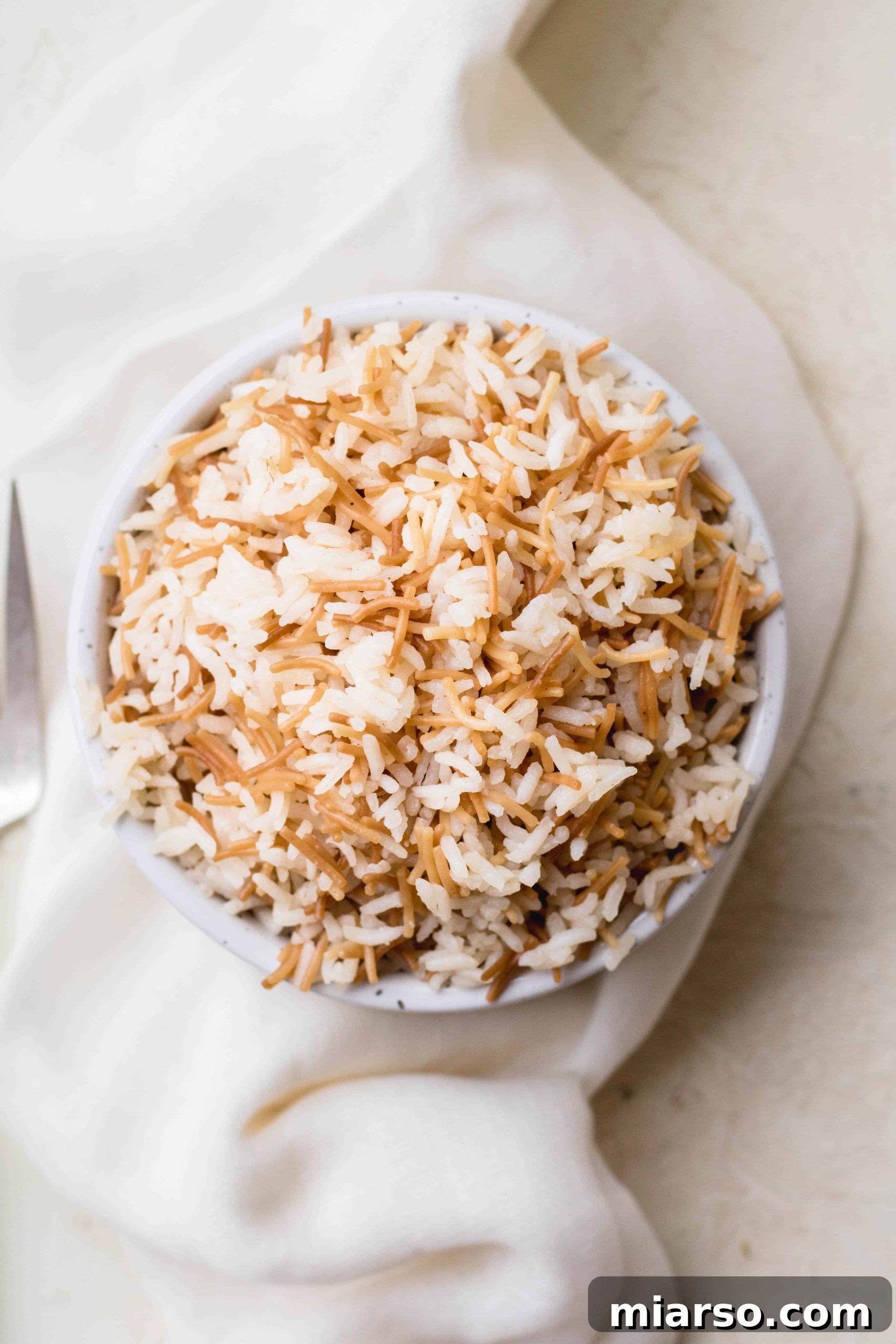
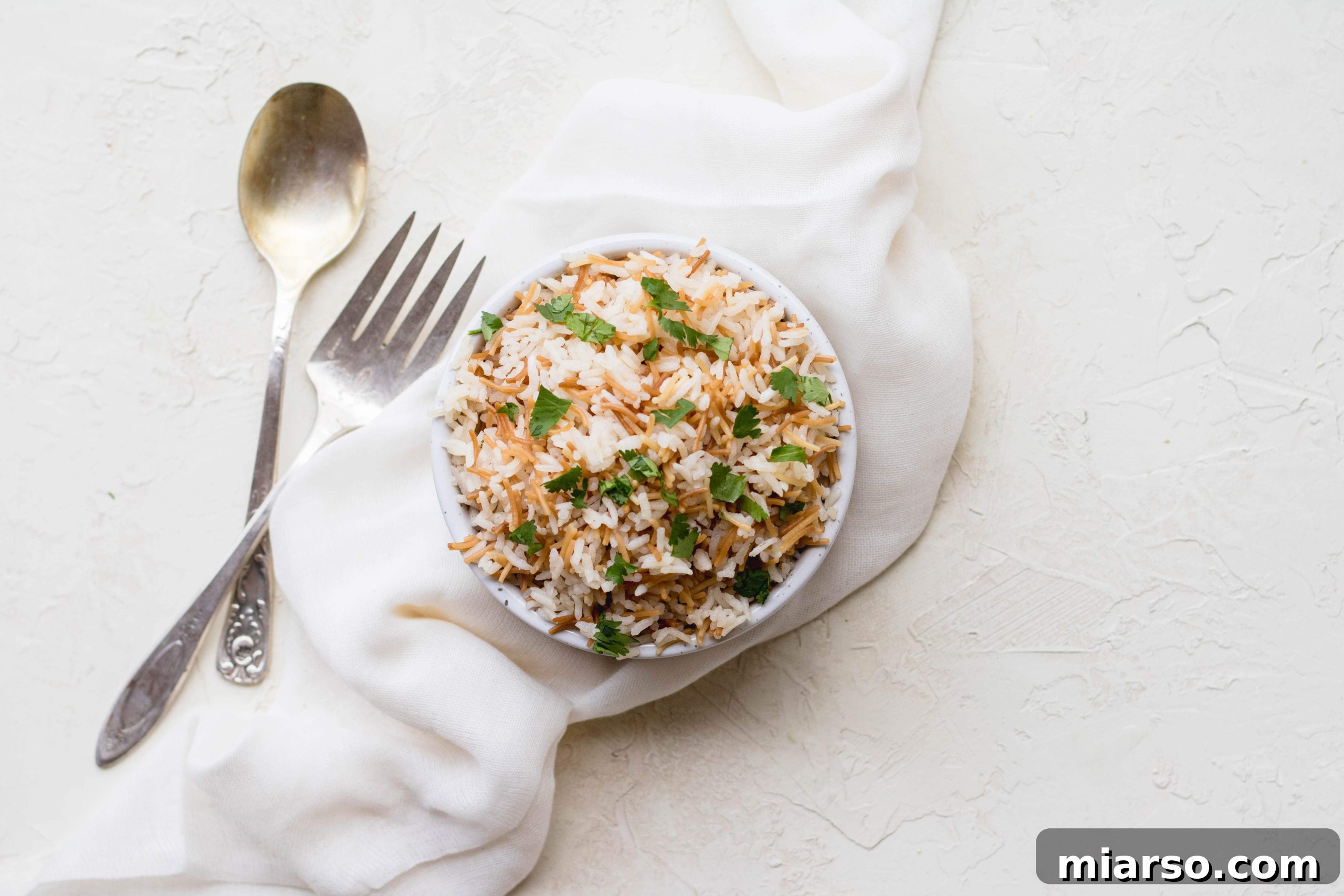
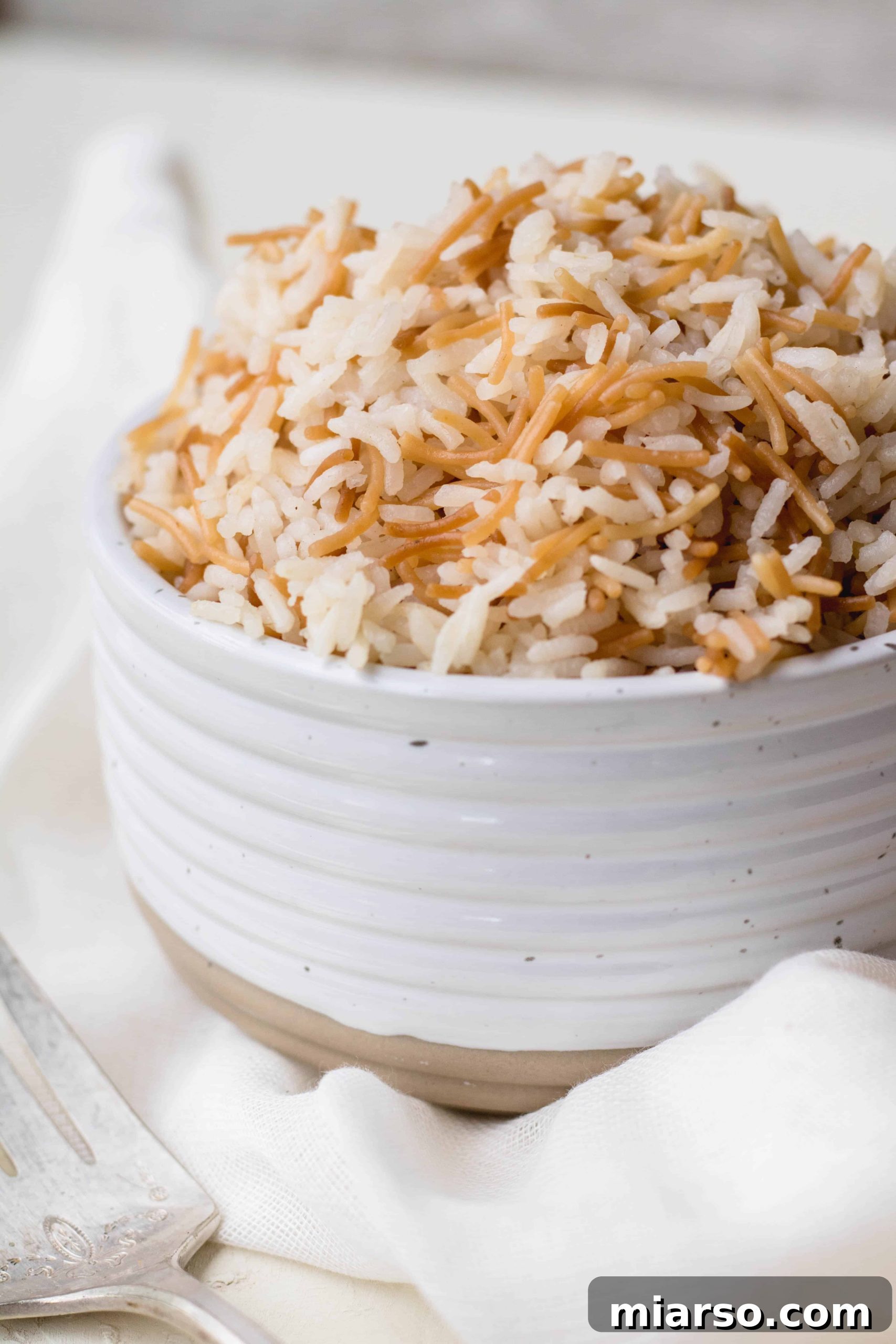
Welcome to a culinary journey that brings the rich flavors of the Middle East straight to your kitchen. Lebanese rice pilaf, a deceptively simple yet incredibly flavorful dish, combines fluffy long-grain rice with golden vermicelli and a whisper of cinnamon. This isn’t just a side dish; it’s a staple, a comfort food, and a versatile companion to virtually any meal, from succulent grilled meats to vibrant vegetarian stews. Its ease of preparation and minimal ingredients make it an ideal recipe for both seasoned cooks and kitchen newcomers alike, promising a delightful experience that transcends cultural boundaries and elevates everyday dining.
Stay Connected and Discover More Delights!
Join our vibrant community of food enthusiasts! By staying connected, you’ll gain access to exclusive content, weekly meal planners, and new recipes delivered directly to your inbox. Unlock a world of flavor and make every meal an occasion to remember. Don’t miss out on tips, tricks, and culinary inspiration!
In these ever-changing times, finding comfort and joy in our daily routines has become more important than ever. While the world outside may present its challenges, the kitchen remains a sanctuary—a place where simple ingredients can transform into heartwarming meals that bring us together. Today, I’m thrilled to share a recipe that perfectly embodies this spirit: Lebanese rice pilaf. It’s a dish so straightforward, yet so profoundly satisfying, that it promises to brighten your day without requiring a trip to the grocery store, as you likely have all the ingredients on hand.
This recipe isn’t just about cooking; it’s about creating a moment of peace and nourishment for yourself and your loved ones. It’s a testament to the power of food to soothe the soul and provide a sense of normalcy, no matter what’s happening around us. So, let’s set aside the worries of the day and immerse ourselves in the comforting aroma of toasted vermicelli and warm spices.
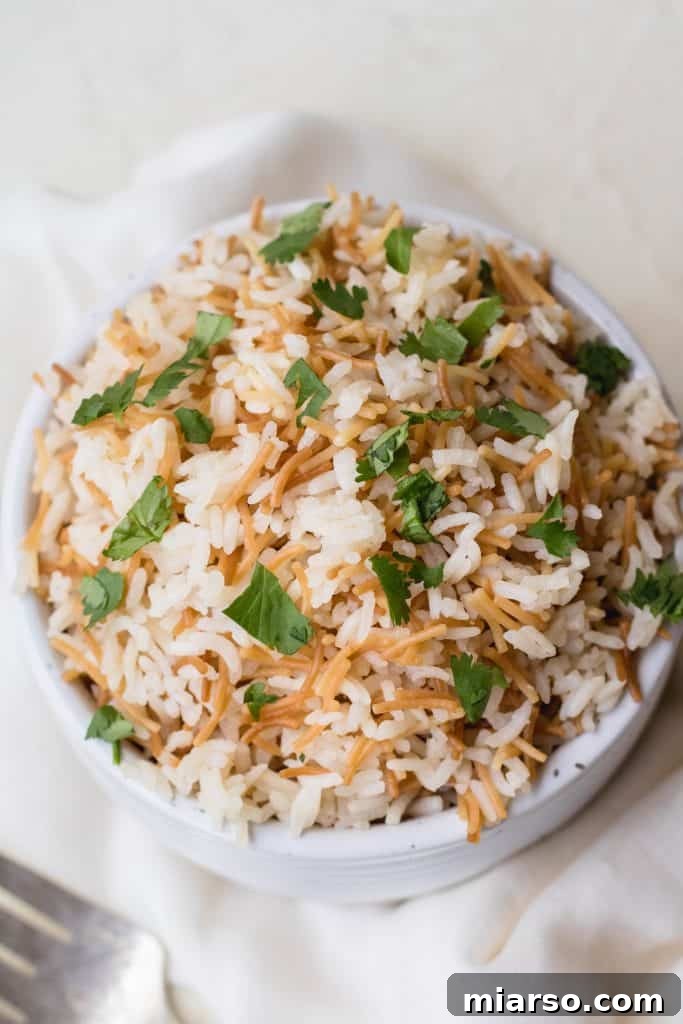
The Journey to Crafting This Authentic Lebanese Rice Pilaf
My first encounter with this exquisite rice pilaf was an unforgettable experience that sparked a culinary quest. While not Lebanese myself, I grew up with Mediterranean flavors, and this dish immediately resonated with my palate. It was at a friend’s gathering where I first tasted this magical rice, lovingly prepared by her mother. The balance of textures and subtle spices was captivating. I was so enamored that I ended up with all the delicious leftovers, cherishing every last grain.
Inspired by this newfound love, I embarked on a mission to recreate that perfect Lebanese rice. It became a delightful obsession, much like Monica’s quest for the secret to Nestle Toll House cookies in a popular sitcom. Through countless trials and a deep dive into Middle Eastern culinary traditions, I experimented with different ratios and techniques. The goal was to achieve that exact fluffy texture, the ideal golden hue of the vermicelli, and the elusive hint of cinnamon that made the original so special.
After a few attempts and thorough research, I finally cracked the code! The result was a stovetop Lebanese rice pilaf that perfectly mirrored the original, bringing that beloved flavor into my own home. Knowing that many people have stocked up on rice, especially in recent times, I felt compelled to share this foolproof method. This recipe will not only guide you through the process but also empower you to master the art of cooking perfect stovetop rice, a fundamental skill that opens up a world of culinary possibilities.
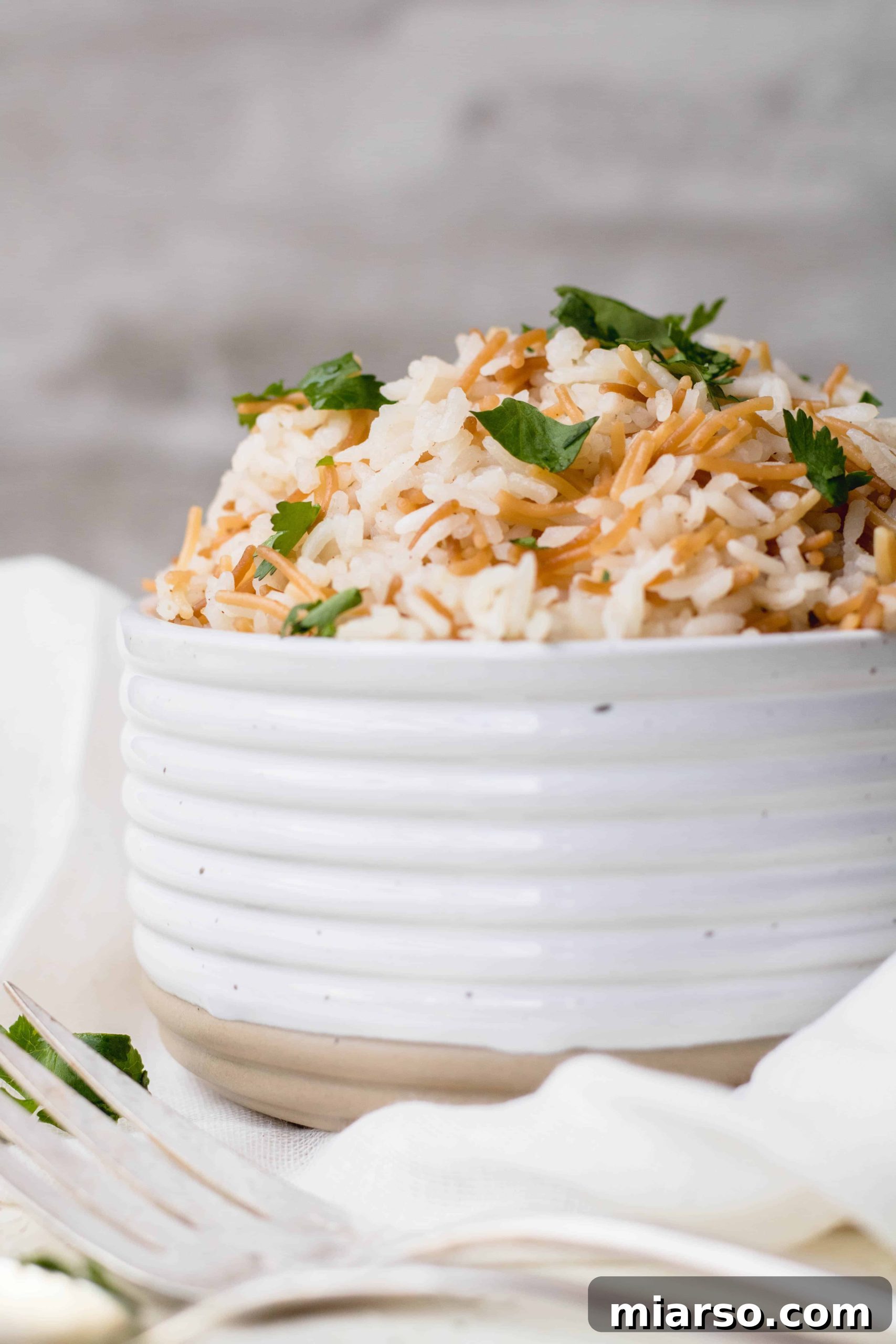
Unveiling the Simplicity and Richness of Lebanese Rice Pilaf
You might be curious about what makes Lebanese rice so special and why it holds such a cherished place in my heart and in Middle Eastern cuisine. At its core, Lebanese rice is a straightforward yet incredibly flavorful rice pilaf. Its beauty lies in its elegant simplicity, transforming humble ingredients into a dish that is both comforting and sophisticated.
This delightful pilaf is typically crafted from long-grain white rice, delicate vermicelli noodles, and either butter or oil. While oil yields a perfectly delicious result, I wholeheartedly recommend using butter for a richer, more profound flavor and a beautiful golden-brown vermicelli. The magic truly happens with the seasoning: a generous amount of salt to enhance all the flavors, and a subtle yet essential dash of cinnamon, which lends an earthy warmth and aromatic depth, distinguishing it from other rice dishes.
Beyond its basic form, Lebanese rice pilaf can be elevated into an even fancier side dish. Many home cooks and chefs love to dress it up with additions like toasted nuts (pine nuts, cashews, or almonds are popular choices) for an added crunch and nutty flavor, or dried cranberries or raisins for a hint of sweet tanginess. These enhancements not only add textural contrast but also elevate the presentation, making it suitable for special occasions or holiday feasts. Regardless of how you choose to serve it, this Lebanese rice pilaf is a dish that consistently wins hearts and becomes an instant favorite at any table.
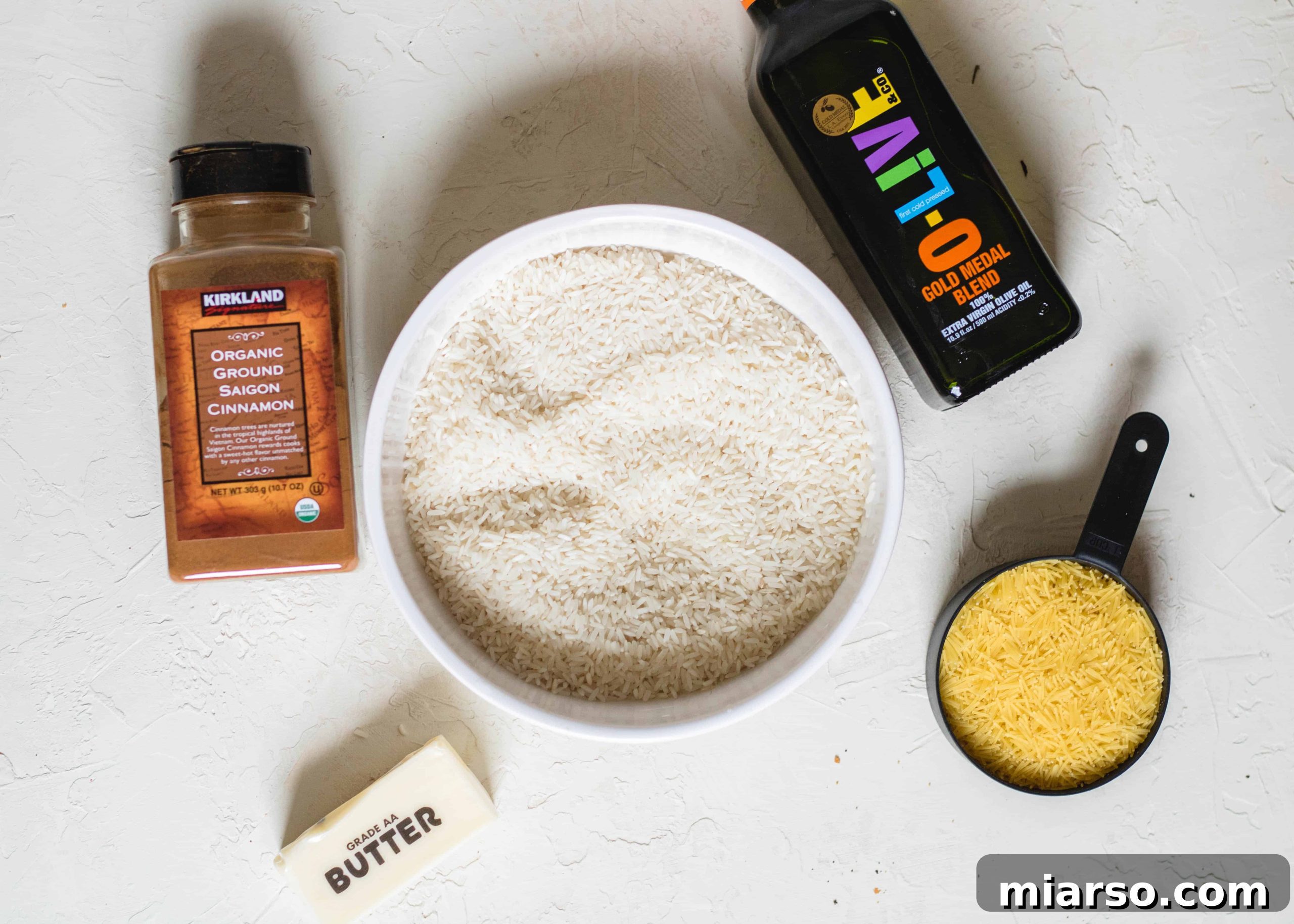
Essential Ingredients for Authentic Lebanese Rice Pilaf
As I mentioned, this Lebanese rice pilaf is wonderfully simple, requiring only a few key ingredients that are likely staples in your pantry. Despite its exotic-sounding name, you don’t need obscure items to create this authentic taste. Here’s a detailed look at what you’ll need, along with insights into each component’s role in achieving the perfect pilaf:
- Long Grain White Rice – The backbone of our pilaf. Long-grain varieties like Basmati or Jasmine are ideal because they cook up fluffy and separate, rather than sticky. While the recipe traditionally calls for long-grain, if you only have regular white rice on hand, it will still work beautifully, though the texture might be slightly different. The key is rinsing it well to remove excess starch.
- Vermicelli Noodles – These delicate, thin pasta strands are a signature component of Lebanese rice, so much so that it’s often referred to as “vermicelli rice.” When toasted in butter, they develop a beautiful golden color and a wonderfully nutty flavor and a pleasing textural contrast to the soft rice.
- Butter or Oil – This is crucial for toasting the vermicelli. Butter is my preferred choice as it imparts a richer, deeper flavor and helps achieve a more even, golden-brown caramelization. If you prefer a dairy-free or vegan option, or simply don’t have butter, any neutral oil like olive oil or vegetable oil can be used at a 1:1 ratio with excellent results.
- Salt – Essential for seasoning the rice and bringing out all the delicious flavors. Start with the recommended amount, but always taste and adjust to your preference. A properly seasoned pilaf makes all the difference.
- Cinnamon – This spice is what gives Lebanese rice pilaf its unique, warm, and inviting aroma. It’s used subtly, adding an earthy undertone rather than an overpowering flavor. If cinnamon isn’t your favorite, you can certainly omit it, but I highly recommend trying it for that authentic touch.
- Parsley – An optional but highly recommended garnish. Fresh chopped parsley adds a vibrant pop of color and a refreshing herbal note, elevating the visual appeal and adding a fresh counterpoint to the rich flavors.
- Toasted Nuts – For an extra layer of luxury and crunch, toasted nuts are a fantastic addition. Pine nuts are traditional in many Middle Eastern dishes, but slivered almonds or even cashews work wonderfully. Toast them lightly in a dry pan until fragrant before stirring them in or sprinkling them on top.
- Dried Cranberries or Raisins – If you enjoy a touch of sweetness, dried cranberries or golden raisins can be a delightful inclusion. They add a soft chewiness and a gentle fruity note that complements the savory and spiced rice beautifully.
Clever Substitutions for Your Pilaf
Even if you don’t have vermicelli noodles, you can still enjoy this delicious pilaf! A common and effective substitution is using angel hair spaghetti. The key is to break the spaghetti strands into smaller pieces, roughly the length of vermicelli, to ensure it blends seamlessly with the rice and cooks evenly. Aim for pieces about 1-2 inches long. Simply toast these broken spaghetti pieces in butter or oil just as you would the vermicelli. This simple trick allows you to achieve a similar texture and appearance, ensuring your Lebanese rice pilaf is just as delightful.
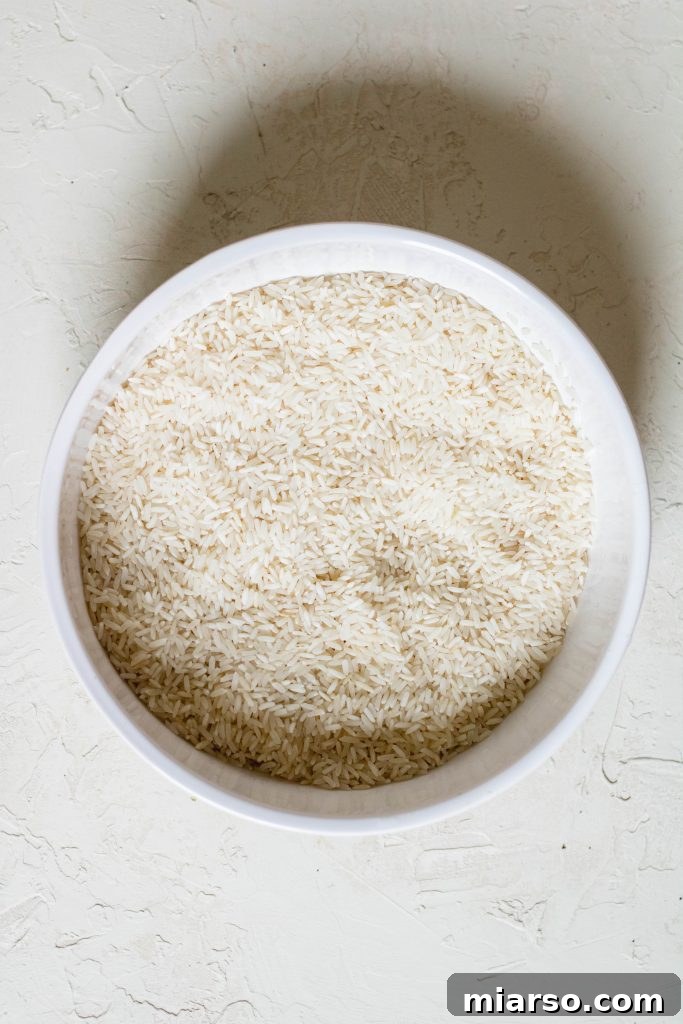
Mastering the Art of Stovetop Lebanese Rice Pilaf
Crafting perfect Lebanese rice pilaf on the stovetop is a simple process that yields incredibly delicious results. Follow these detailed steps to ensure a fluffy, flavorful, and perfectly cooked dish every time:
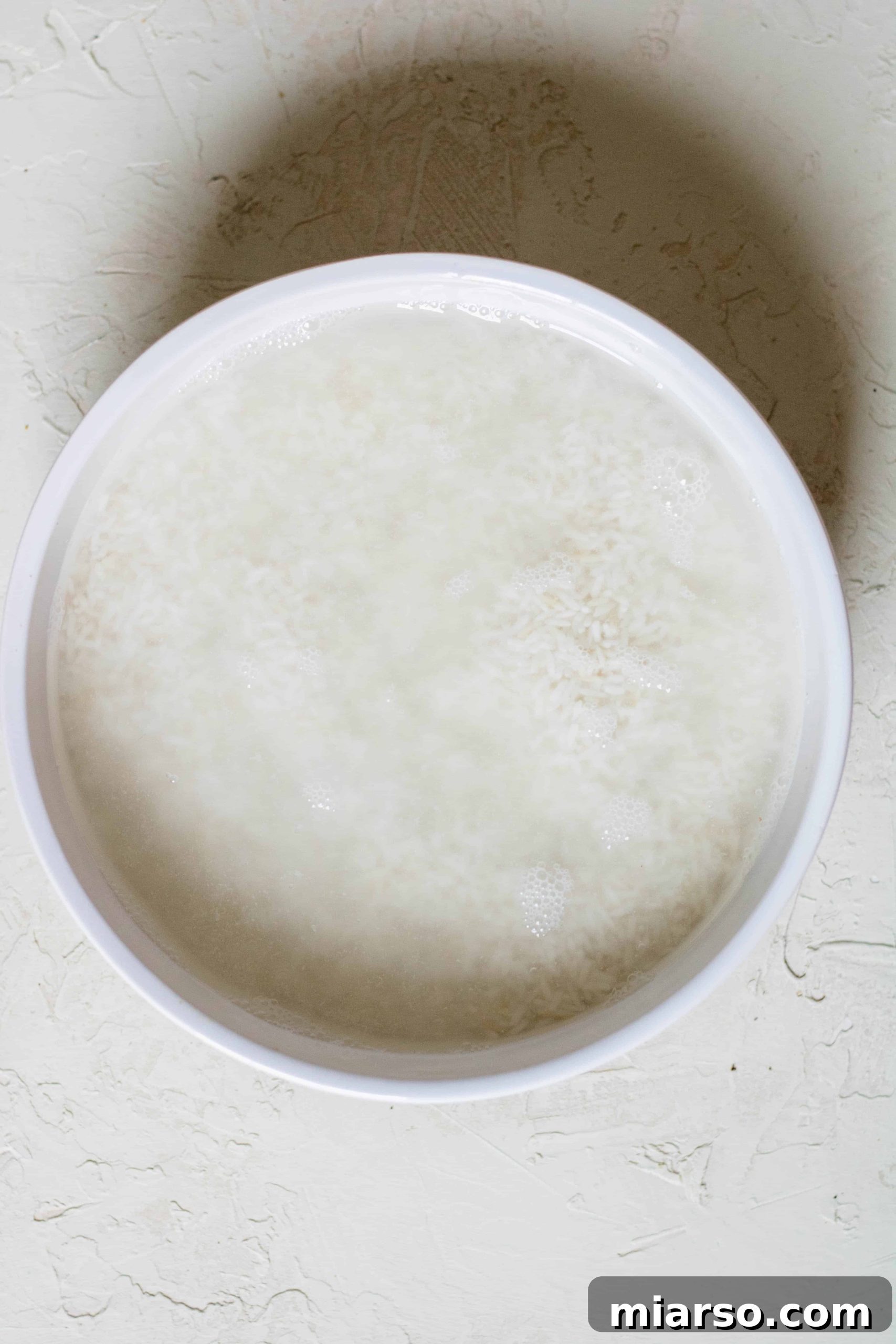
- Prepare the Rice: Begin by placing the desired amount of rice in a fine-mesh sieve or a bowl. Rinse the rice thoroughly under cold running water, agitating it gently with your fingers, until the water runs completely clear. This crucial step removes excess starch, preventing the rice from becoming sticky. After rinsing, soak the rice in fresh cold water for 10-20 minutes. While this step is optional if you’re short on time, soaking helps the grains cook more evenly and become even fluffier, so it’s highly recommended for the best texture.
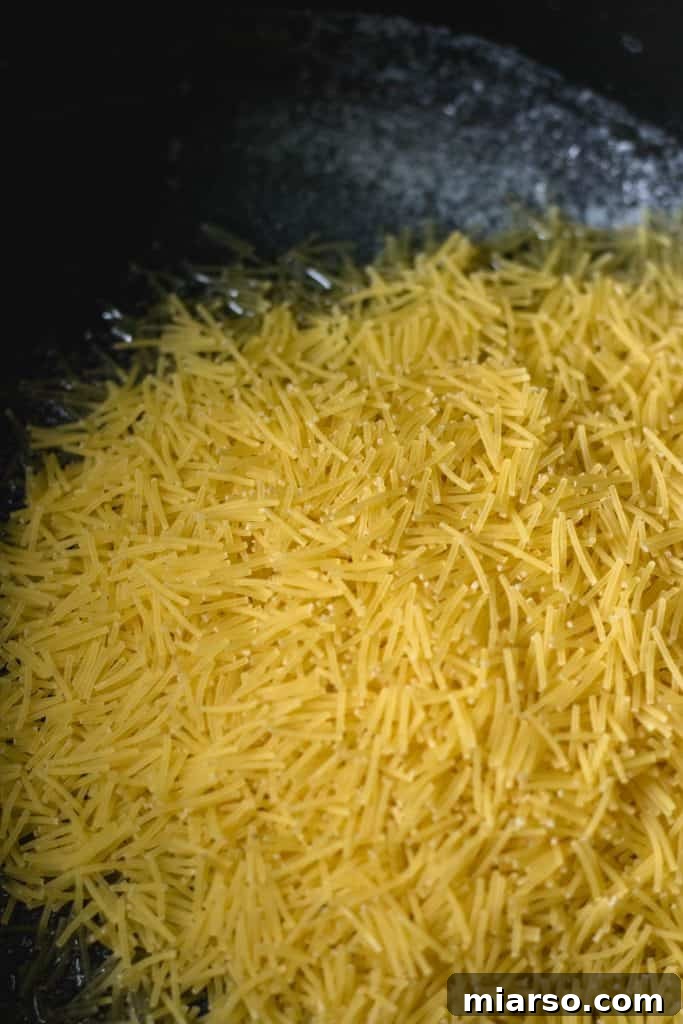
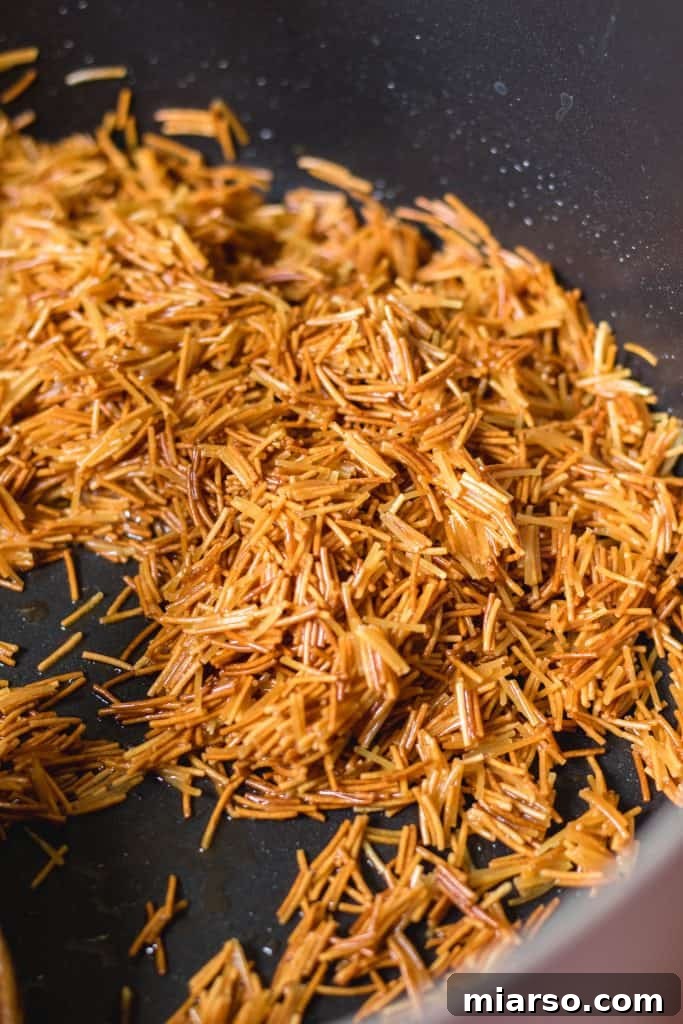
- Toast the Vermicelli: In a large, heavy-bottomed pot or Dutch oven, melt the butter (or heat the oil) over medium heat. Add the vermicelli noodles and stir continuously to ensure they are evenly coated in the fat. Keep a close eye on the vermicelli as it browns quite quickly. Stir frequently to prevent burning, aiming for a deep golden-brown color. The darker the vermicelli, the more pronounced its nutty flavor will be. This toasting process typically takes about 4-5 minutes.
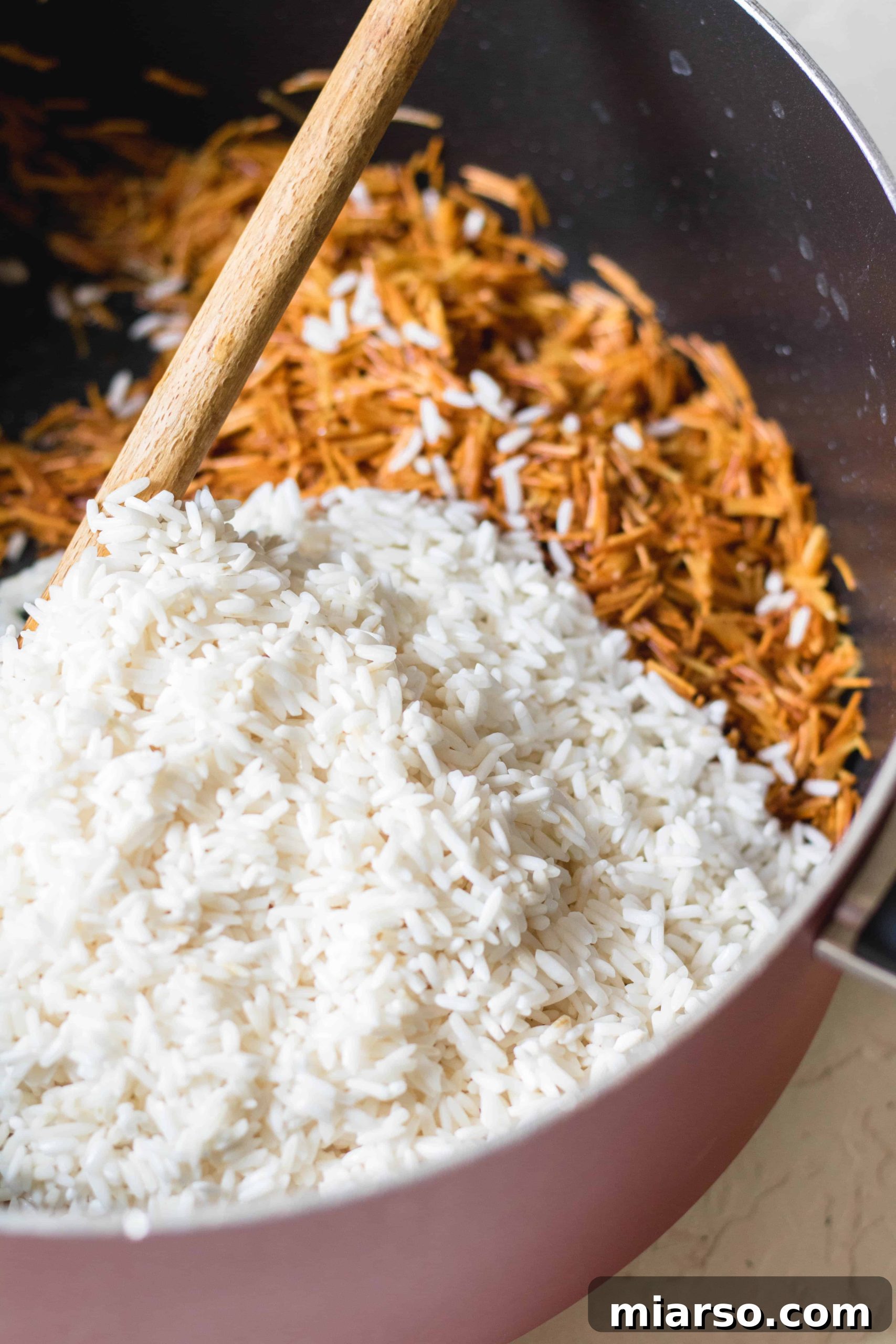
- Combine and Toast the Rice: Once the vermicelli has achieved that beautiful deep golden hue, carefully drain the soaked rice and add it directly to the pot with the vermicelli. Season generously with salt and sprinkle in the cinnamon. Stir everything together gently to combine the rice with the toasted vermicelli and distribute the seasonings. Continue toasting the rice mixture for an additional 2-3 minutes, stirring frequently. This step helps to lightly toast the individual rice grains, further enhancing their flavor and ensuring a perfectly separate, fluffy texture.
- Simmer to Perfection: Slowly pour the hot water into the pot. Be careful as it might sizzle. Stir once to ensure all ingredients are well combined and evenly distributed. Bring the water to a rolling boil, then immediately reduce the heat to the lowest setting. Cover the pot tightly with a lid, creating a steamy environment. Allow the rice to cook undisturbed for 15-20 minutes. Resist the urge to lift the lid during this time, as the steam is essential for proper cooking.
- Rest and Fluff: After the cooking time, remove the pot from the heat but do not uncover it for at least another 5 minutes. This resting period allows the steam to finish cooking the rice, ensuring every grain is tender and perfectly separated. Once rested, uncover the pot and gently fluff the rice with a fork. This helps to release any remaining steam and separate the grains, creating that characteristic light and airy texture. Garnish with fresh parsley or toasted nuts if desired, and serve warm.
Expert Tips for the Best Lebanese Rice Pilaf
Achieving perfectly fluffy and flavorful Lebanese rice pilaf is easy with a few key techniques. These tips will help you elevate your dish from good to absolutely outstanding:
- Embrace the Rice Soak: While you can skip it if time is tight, soaking your rice in cold water for 10-20 minutes is a game-changer. This process helps to remove excess surface starches, which can make rice sticky. By soaking, you encourage each grain to cook more evenly from the inside out, resulting in a distinctly fluffy and separate texture that is characteristic of a great pilaf.
- Master the Vermicelli Toast: The browning of the vermicelli is a critical step for developing that rich, nutty flavor that defines Lebanese rice. It’s important to stay close to the pot and stir the vermicelli frequently. They can go from golden to burnt very quickly. Aim for a deep, even golden-brown color, which signifies maximum flavor development without bitterness. Don’t rush this step, as it greatly impacts the final taste.
- Use Hot Water for Cooking: Always add hot or boiling water to your rice. This prevents the cooking process from being interrupted by cold water, ensuring a more consistent and even cook. It also helps the rice absorb the liquid more efficiently, contributing to a better texture.
- Resist the Urge to Peek: Once the rice is covered and simmering, avoid lifting the lid. Every time you open the pot, precious steam escapes, which is vital for cooking the rice. Let it cook undisturbed for the recommended time, and then allow it to rest, still covered, for at least 5-10 minutes off the heat. This resting period allows the steam to redistribute and finish the cooking process, resulting in perfectly tender grains.
- Proper Seasoning is Key: Don’t be shy with the salt! Rice needs proper seasoning to shine. The suggested 2-3 teaspoons is a good starting point, but always taste and adjust. The cinnamon should be a subtle background note, adding warmth rather than overpowering the dish.
- Consider Your Pot: A heavy-bottomed pot or Dutch oven is ideal for cooking rice. It distributes heat more evenly, reducing the risk of scorching and ensuring a consistent cook throughout.
Perfect Pairings for Your Lebanese Rice Pilaf Side Dish
Lebanese rice pilaf is incredibly versatile and makes a fantastic accompaniment to a wide array of main courses. Its comforting and subtly spiced flavor profile complements both traditional Middle Eastern dishes and many Western favorites. Here are some delicious ideas for what to serve alongside this delightful side dish:
- Baked Indian Chicken Meatballs: The warm spices of the meatballs would harmonize beautifully with the cinnamon-infused rice.
- Beef Kofta: A classic pairing! The savory, grilled minced beef (kofta) is a natural match for the fluffy, flavorful rice.
- Lebanese Chickpea Stew: For a hearty vegetarian option, the rice serves as an excellent base to absorb the rich flavors of a spiced chickpea and tomato stew.
- Grilled or Roasted Chicken: Whether it’s a whole roasted chicken, marinated chicken skewers, or simple grilled chicken breasts, the rice provides a wonderful foundation.
- Lamb Dishes: Slow-cooked lamb shanks, grilled lamb chops, or a rich lamb stew are all elevated by a side of this pilaf.
- Fish and Seafood: Lightly seasoned baked fish or grilled shrimp can also be a delightful match, offering a lighter option.
- Vegetable Tagines or Curries: The rice is excellent for soaking up the flavorful sauces of various vegetarian stews and curries.
Storing and Reheating Your Delicious Lebanese Rice Pilaf
One of the many great things about Lebanese rice pilaf is that it stores and reheats beautifully, making it perfect for meal prep or enjoying leftovers. Here’s how to ensure your pilaf remains fresh and delicious:
Refrigeration: If you find yourself with extra pilaf, store it in an airtight container in the refrigerator for up to 5-7 days. Make sure the rice has cooled completely before transferring it to the container to prevent condensation and maintain optimal texture.
Freezing: For longer storage, Lebanese rice pilaf freezes wonderfully. Place the cooled rice in a freezer-safe, airtight container or a heavy-duty freezer bag. It can be stored in the freezer for up to 2 months. To prevent freezer burn and maintain quality, press out as much air as possible from freezer bags.
Reheating: When you’re ready to enjoy your stored pilaf again, transfer it from the freezer to the refrigerator to thaw overnight. Once thawed, or if reheating from the fridge, you’ll want to restore some moisture. Add 2-3 tablespoons of water (or broth for extra flavor) per cup of rice. You can reheat it in the microwave in short bursts, stirring occasionally, until heated through, or gently warm it on the stovetop over low heat, covered, until steamy and tender. Fluff with a fork before serving.
We love seeing your culinary creations! If you’ve tried a recipe from LifestyleofaFoodie, please share your experience. Leave a comment below to let us know how your dishes turned out and connect with our community on Instagram, Pinterest, and Facebook. Your feedback and beautiful food photos inspire us!
Lebanese Rice Pilaf with Vermicelli and Cinnamon
Lebanese Rice Pilaf with Vermicelli
15 mins
35 mins
Ingredients
-
2
cup
white rice -
1
cup
vermicelli -
2
tbsp
butter -
1/8
tsp
cinnamon
optional -
2-3
tsp
salt -
4.5
cups
hot water
Instructions
- First, thoroughly rinse the rice under cold running water until the water becomes clear. After rinsing, soak the rice in fresh cold water for 10-20 minutes. While this step can be skipped if you’re pressed for time, soaking the rice is highly recommended for the best texture and fluffiness.
- In a large pot, melt the butter over medium heat. Add the vermicelli noodles and stir continuously to coat them evenly. Stay vigilant as the vermicelli will brown quickly. Stir frequently to prevent burning. The darker the vermicelli, the nuttier the flavor will be. This step usually takes 4-5 minutes in total.
- Once the noodles are a deep golden brown, add the drained rice to the pot. Season with salt and cinnamon, then give everything a good stir. Toast the rice mixture for an additional 2-3 minutes, stirring frequently, to enhance its flavor.
- Slowly pour the hot water into the pan and stir gently to combine all the ingredients. Bring the mixture to a boil, stir one last time, then reduce the heat to low and cover the pot tightly with a lid. Allow the rice to cook undisturbed for 15-20 minutes.
- After the cooking time, remove the pot from the heat but do not uncover it for at least 5 minutes. This resting period allows the steam to fully penetrate and finish cooking the rice. Once rested, you can uncover the pot and fluff the rice with a fork before serving.
Nutrition information is automatically calculated and should only be used as an approximation.
Enjoyed this recipe? Leave a comment below!
Thank you for exploring this wonderful recipe all the way to the end! Your engagement means the world to us. Please don’t hesitate to share your thoughts, cooking experiences, and any modifications you made in the comments section below. We love hearing from you! If you have any specific recipe requests or ideas for future content, feel free to suggest those as well. Happy cooking!
More Delicious Side Dishes You Might Enjoy
- Brown Butter Garlic Mashed Sweet Potatoes
- Air Fryer Parmesan Broccoli
Shop Essential Ingredients for This Recipe
This post may contain affiliate links, meaning that at no additional cost to you, I may earn a small commission from purchases made through these links. Your support helps keep this blog running!