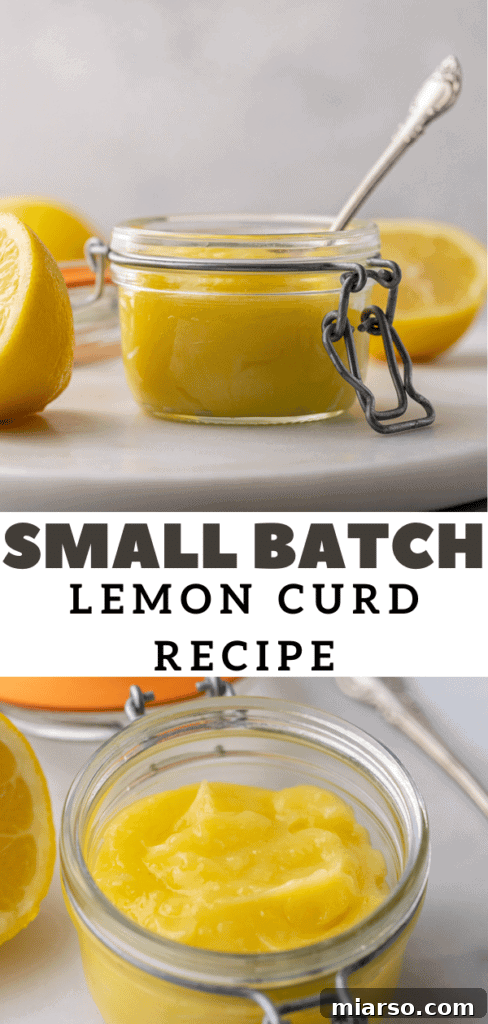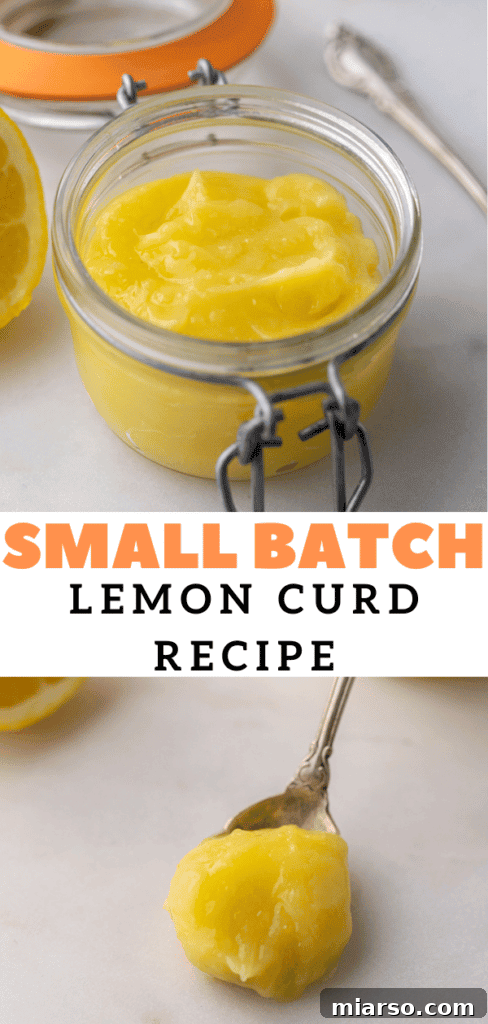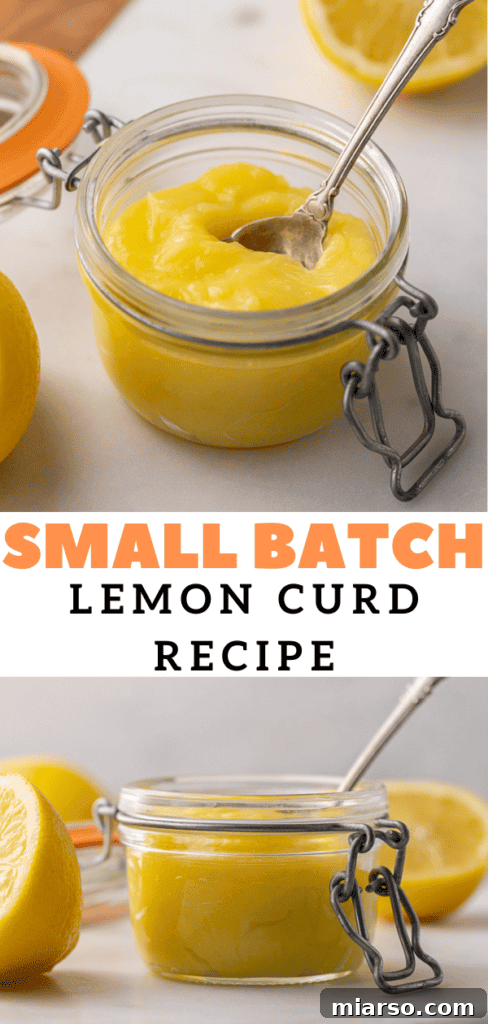
Are you ready to transform your desserts and breakfasts with a burst of bright, zesty flavor? This small-batch lemon curd recipe is your ticket to culinary delight. Designed perfectly for two, or for those who simply prefer freshly made treats, this recipe comes together in a mere 10 minutes using just 5 simple ingredients. Forget the bland, often artificial taste of store-bought versions; our homemade lemon curd offers an unparalleled richness, tang, and creaminess that will elevate any dish. It’s not just a recipe; it’s an invitation to experience the true essence of fresh lemons, without the fuss of complicated techniques or specialized equipment. Get ready to discover a quick, easy, and utterly delicious way to indulge in this classic citrus spread.
Once you fall in love with this lemon curd, you’ll surely want to explore more delightful lemon creations. Don’t miss out on our Crumbl-inspired lemon glaze cookies, a refreshing blueberry lemon loaf cake, a unique Keto summer matcha lemonade with chia seeds, the vibrant lemon strawberry vegan tart, and our acclaimed best pink lemon bars.
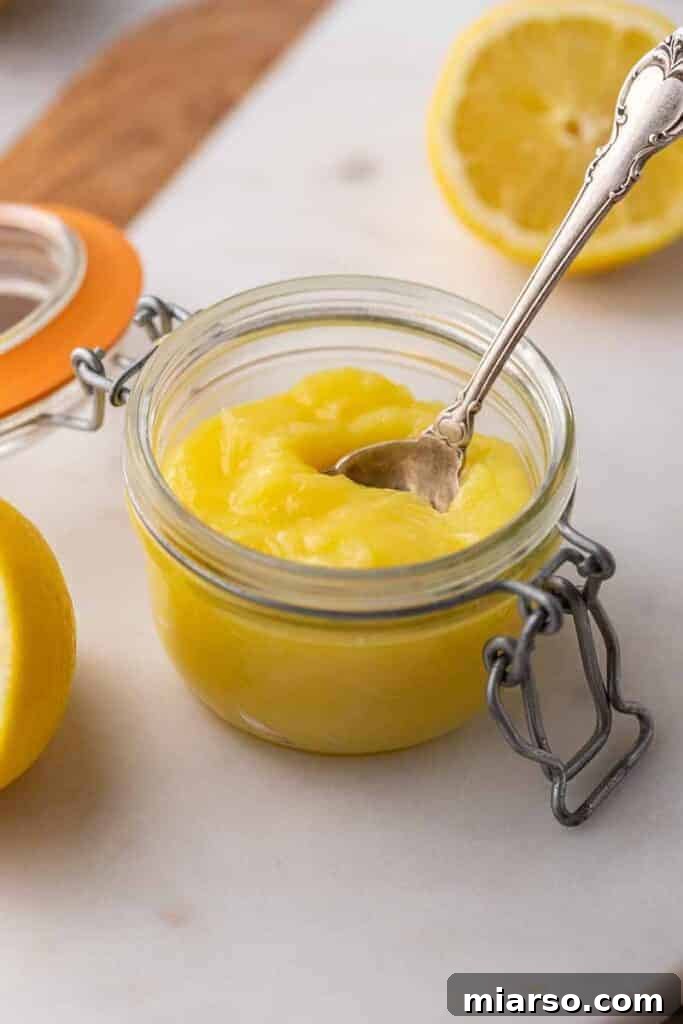
The Ultimate Small-Batch Lemon Curd Recipe for Fresh Flavor
If you’ve always believed that making your own lemon curd was a daunting, labor-intensive task best left to professional chefs, prepare to have your mind changed! This recipe demolishes those myths, proving that a truly exceptional lemon curd can be effortlessly created in your own kitchen. Our method, relying on the vibrant essence of fresh lemon juice and zest, guarantees an intensely tangy flavor profile that will awaken your taste buds. Best of all, you won’t need a cumbersome double boiler or any cornflour to achieve that perfectly smooth, rich consistency. It’s time to ditch the skepticism and embrace the simplicity of homemade gourmet.
There’s simply no comparison between the vibrant, fresh taste of homemade lemon curd and its store-bought counterparts. This scratch-made recipe hits all the right notes, balancing bright tanginess, luscious creaminess, and just the right amount of sweetness. It’s the secret ingredient you never knew you needed to elevate countless dishes. This versatile condiment, once you’ve tasted its homemade perfection, will become an indispensable staple in your kitchen, making you wonder how you ever managed without it. Trust us, your culinary world is about to get a whole lot brighter!
Why This Easy Lemon Curd Recipe is a Must-Try!
There are countless reasons why this small-batch lemon curd recipe deserves a permanent spot in your culinary repertoire. Its sheer simplicity combined with its extraordinary flavor makes it an unbeatable choice for any home cook:
- Incredibly Fast: Ready in only 10 minutes from start to finish, this recipe is perfect for last-minute cravings or busy schedules.
- Minimal Ingredients: It calls for just 5 simple, everyday ingredients, proving that gourmet flavors don’t require an extensive pantry.
- Perfectly Portioned: Making a small batch means no waste! You’ll always have fresh, vibrant lemon curd without the worry of leftovers spoiling. It’s ideal for smaller households or individual indulgence.
- Instant Elevation: A dollop of this homemade lemon curd instantly transforms any ordinary breakfast, snack, or dessert into something truly special and luxurious.
- No Special Equipment: You won’t need a double boiler, simplifying the cooking process and making it accessible even for novice cooks.
- Cornflour-Free: Achieves its rich, thick texture without the use of cornflour, resulting in a purer, unadulterated lemon flavor and a silky-smooth mouthfeel.
- Superior Taste: The taste of fresh, homemade lemon curd far surpasses any store-bought alternative, offering a brighter, more authentic citrus experience.
What is Lemon Curd and Its Culinary Charm?
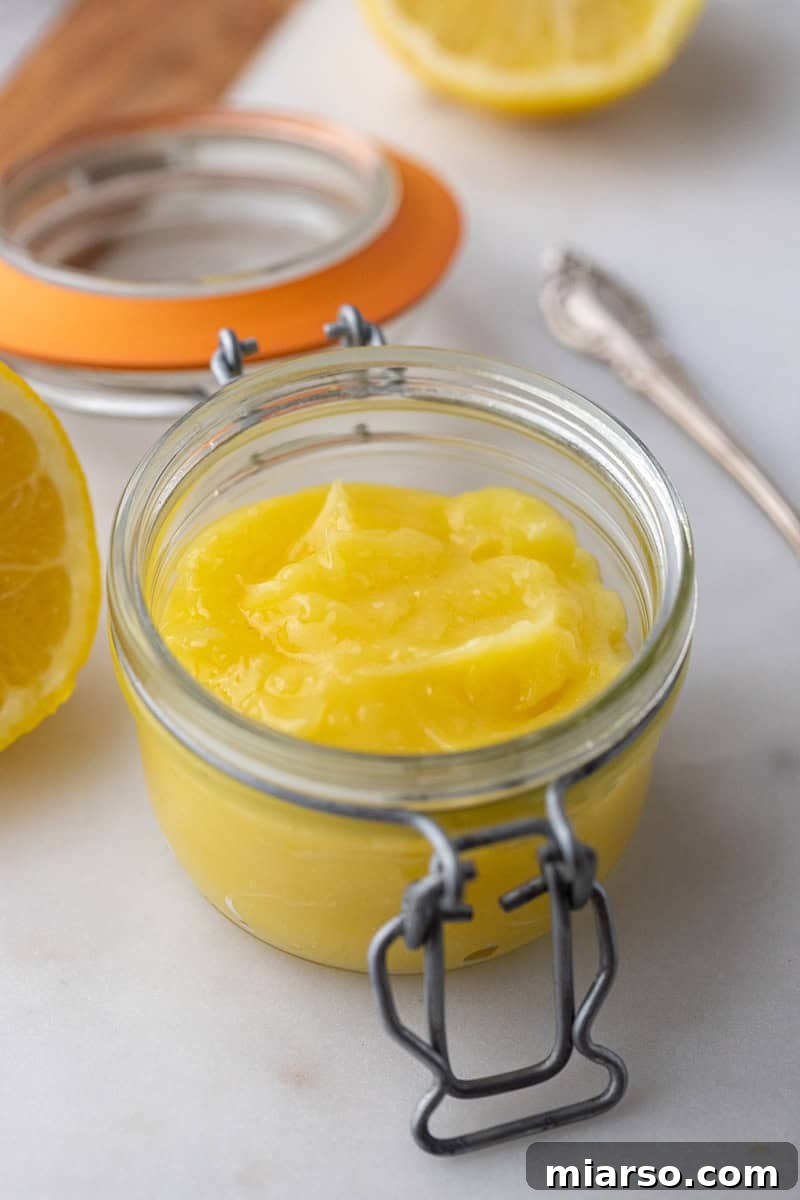
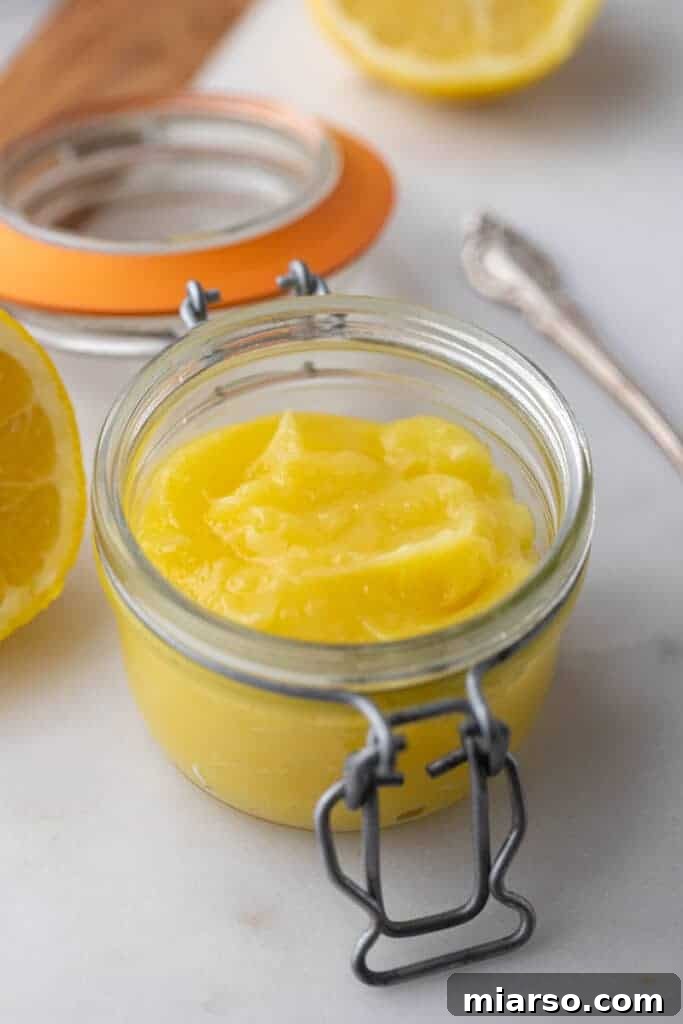
Lemon curd is a decadent, rich citrus spread or topping, often described as a vibrant, tangy, and creamy alternative to traditional jam or custard. Unlike fruit preserves, which rely on whole fruit and pectin, lemon curd is made primarily from fresh lemon juice, zest, eggs, sugar, and butter. This unique combination yields a velvety smooth texture and an intense, concentrated lemon flavor that is both sweet and wonderfully tart.
Historically, lemon curd emerged in England in the 19th century, typically served with bread or scones as part of afternoon tea. Its popularity quickly grew due to its luxurious taste and versatility. The butter contributes to its characteristic richness and creamy mouthfeel, while the eggs provide thickening and emulsification, resulting in that irresistible silky consistency. When perfectly made, lemon curd should be bright yellow, smooth, and spreadable, offering a delightful burst of sunshine in every bite. It’s a testament to how simple ingredients, expertly combined, can create something truly extraordinary.
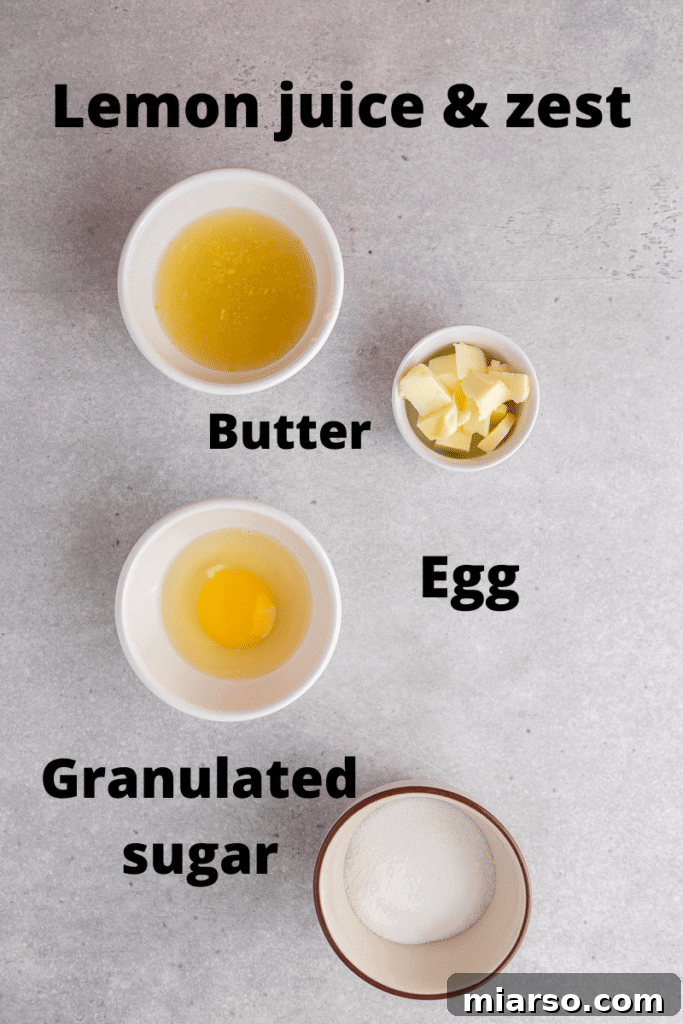
Essential Ingredients for Your Homemade Lemon Curd
Crafting the perfect small-batch lemon curd begins with selecting the right ingredients. Each component plays a vital role in achieving that ideal balance of flavor and texture. Below are the key ingredients you’ll need, along with important tips for best results. Remember to consult the full recipe card for precise measurements.
- Egg: For this recipe, you’ll need one large whole egg. It’s crucial that your egg is at room temperature before you begin. Room temperature eggs emulsify more easily with other ingredients, creating a smoother, more uniform curd. The egg yolks provide richness and act as a primary thickening agent, while the whites contribute to the overall structure and help achieve that characteristic creamy consistency.
- Granulated Sugar: This provides the essential sweetness that balances the intense tartness of the lemon. White granulated sugar is specified because it dissolves easily and maintains the bright yellow color of the curd. Avoid using brown sugar or other alternatives, as they can impart unwanted flavors and alter the beautiful hue of your finished lemon curd.
- Lemons: The star of the show! For the most vibrant and authentic flavor, always use good quality, fresh lemons. You’ll be using both the zest and the juice. The zest contains concentrated lemon oils, delivering an incredible aromatic punch and deeper citrus notes. Always zest your lemons before juicing them. When selecting lemons, look for those that are firm, fragrant, and have brightly colored, unblemished skins. The most critical tip for superior flavor is to use freshly squeezed lemon juice. Bottled lemon juice, while convenient, often contains preservatives and can be far too acidic, resulting in a harsh, unbalanced flavor that will detract from your homemade curd.
- Unsalted Butter: Butter is essential for giving the lemon curd its luxurious, creamy texture and decadent richness. It also helps to thicken the curd as it cools, contributing to its luscious mouthfeel. Be sure to use unsalted butter, as this allows you to control the overall saltiness of the curd. It’s also important to keep the butter cold until you’re ready to add it. Adding cold butter to the warm curd helps it melt slowly and emulsify smoothly, contributing to a silky finish.
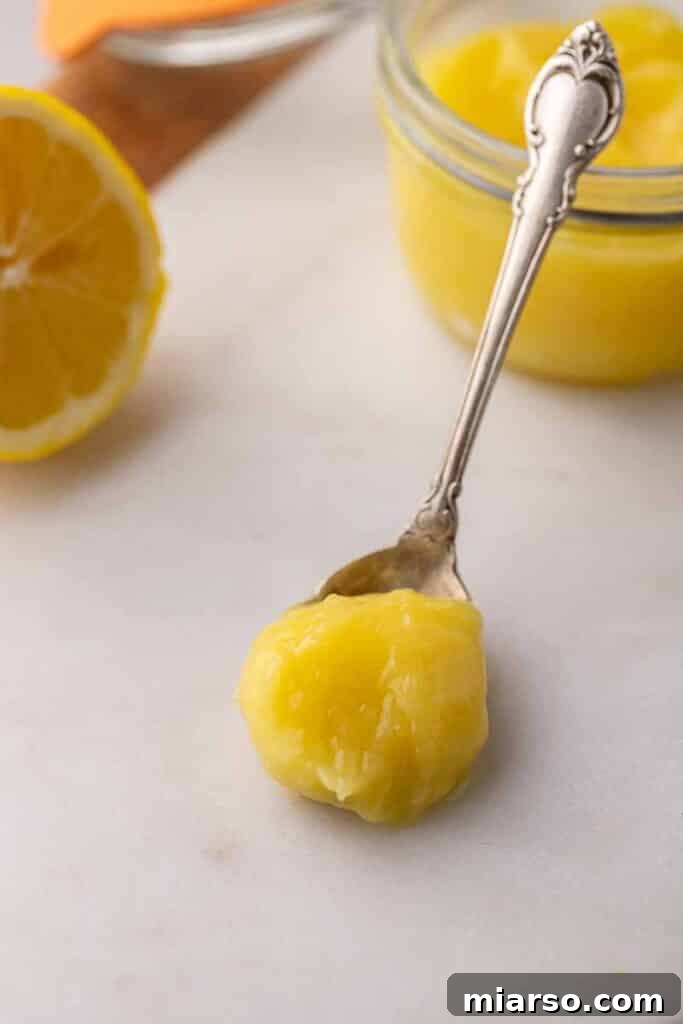
How to Make Small Batch Lemon Curd: Step-by-Step Perfection
Making this small-batch lemon curd is surprisingly simple and incredibly rewarding. Follow these detailed steps to achieve a perfectly smooth, tangy, and creamy spread every time. Remember to refer to the recipe card below for precise measurements and timings.
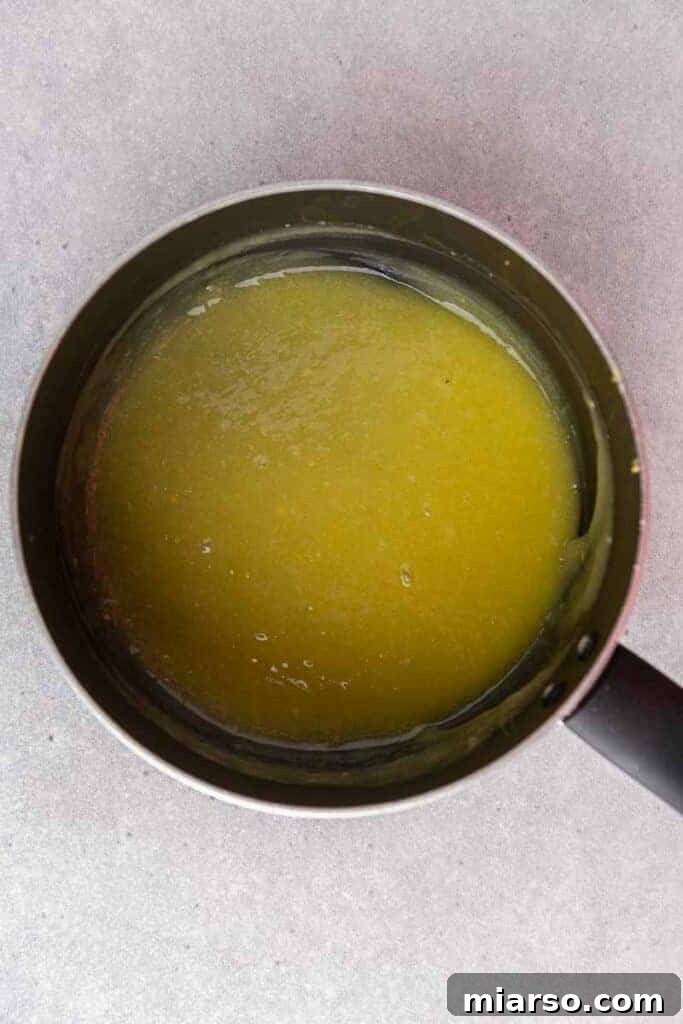
- Prepare the Lemon Base: Begin by combining the fresh lemon juice and vibrant lemon zest in a medium saucepan. Bring this mixture gently to a boil over medium heat. Heating the lemon juice and zest first helps to extract maximum flavor from the zest and prepares the liquid for combining with the egg mixture.
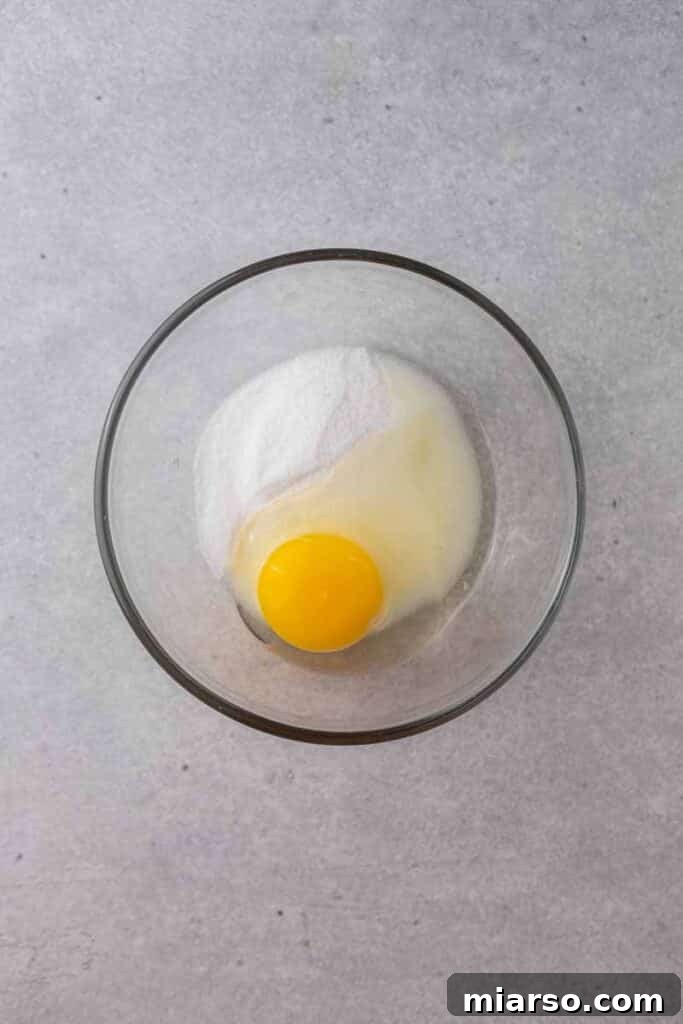
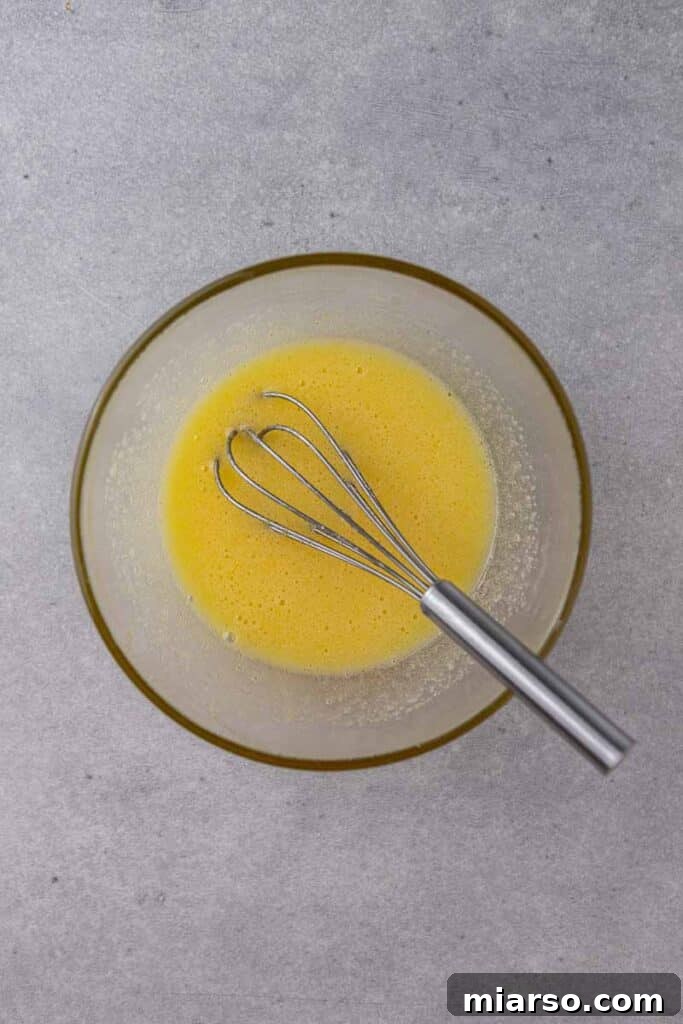
- Whisk Egg and Sugar: While your lemon juice is coming to a boil, whisk the room temperature egg and granulated sugar together in a separate medium bowl. Continue whisking vigorously until the sugar is fully dissolved and the mixture is light yellow and slightly frothy. This ensures a smooth curd and prevents graininess from undissolved sugar.
- Temper the Eggs: This is a crucial step to prevent the egg from scrambling. Very slowly, in a thin stream, pour about half of the hot lemon juice mixture into the beaten egg and sugar mixture while continuously whisking the eggs. This process, known as tempering, gradually raises the temperature of the eggs without cooking them, ensuring a smooth integration.
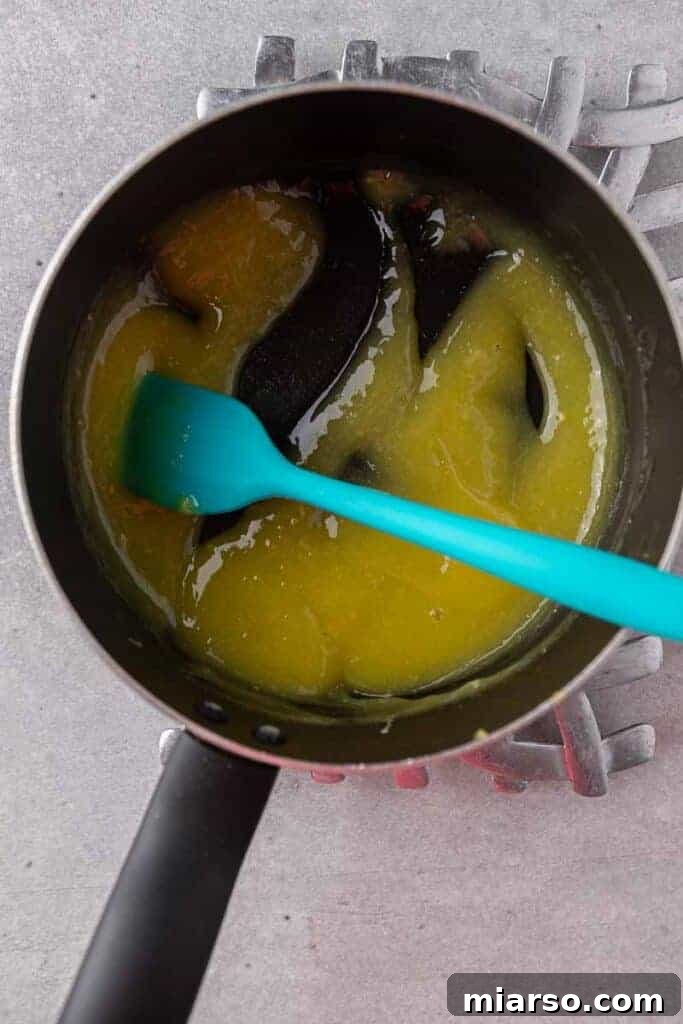
- Combine and Cook: Carefully pour the tempered egg-lemon mixture back into the saucepan with the remaining lemon juice. Place the saucepan back over medium-low heat. Cook the mixture, stirring constantly with a whisk or a heat-proof spatula, for about 5-7 minutes. It’s important to stir continuously to prevent the curd from sticking to the bottom of the pan and to ensure even cooking. The curd is ready when it thickens to a custard-like consistency, coating the back of a spoon. It should also reach a temperature of around 170-175°F (77-79°C).
- Add the Butter: Once the curd has thickened, remove the saucepan immediately from the heat. Add the cold, unsalted butter, cut into small pieces, to the hot curd. Continue stirring until the butter is completely melted and fully incorporated, creating a luscious, glossy finish. The butter adds richness and helps create that silky texture.
- Strain for Smoothness: For an exceptionally smooth and lump-free lemon curd, press the entire mixture through a fine-mesh sieve set over a clean bowl. This step removes any bits of cooked egg or lemon zest, resulting in a beautifully silky consistency.
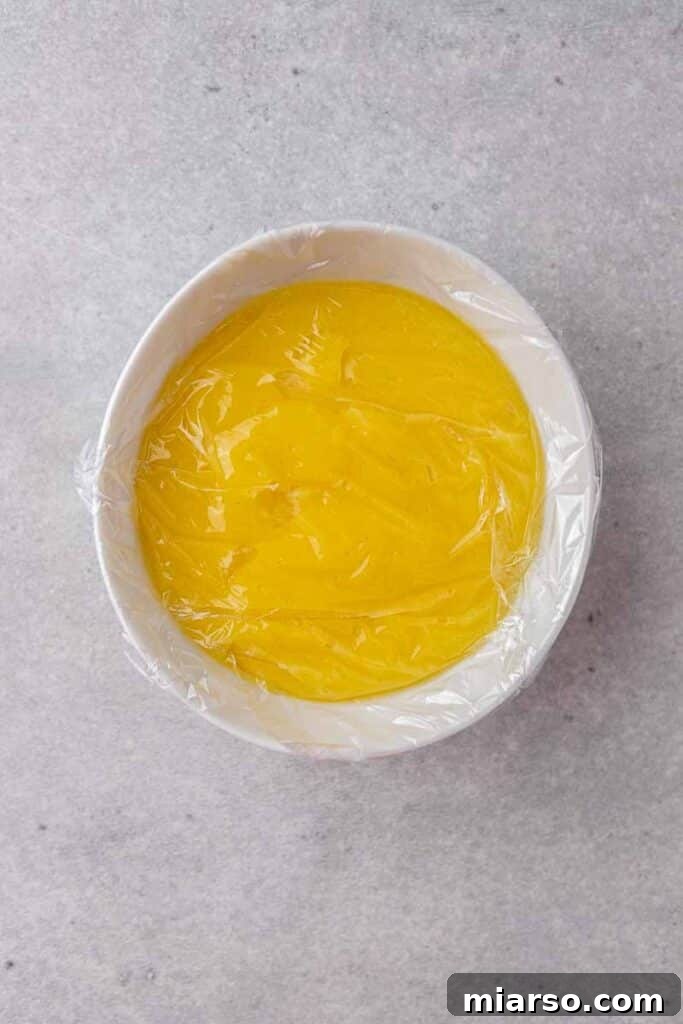
- Chill and Thicken: Transfer the strained lemon curd to a clean bowl or jar. To prevent a skin from forming on the surface as it cools, press a piece of plastic wrap directly onto the surface of the curd. Place it in the refrigerator for at least 2-4 hours, or until thoroughly chilled. The curd will continue to thicken significantly as it cools, reaching its perfect spreadable consistency.
Frequently Asked Questions (FAQ)
Why is my lemon curd not thickening? Troubleshooting Tips
There are a few common reasons why your lemon curd might not be thickening as expected. Firstly, it’s important to understand that lemon curd thickens in two stages: initially on the stove through the cooking of the eggs, and then significantly as it cools. If your curd feels thin after cooking, it might simply need more time to chill. Ensure you cook it over medium-low heat, stirring constantly, until it visibly thickens and coats the back of a spoon. A common mistake is not cooking it long enough or not reaching the optimal temperature (around 170-175°F or 77-79°C). If it still seems too thin after cooking and thoroughly chilling, it could be due to not enough egg or butter, or too much liquid. Patience is key; it will firm up considerably in the refrigerator.
How to Store Homemade Lemon Curd for Maximum Freshness?
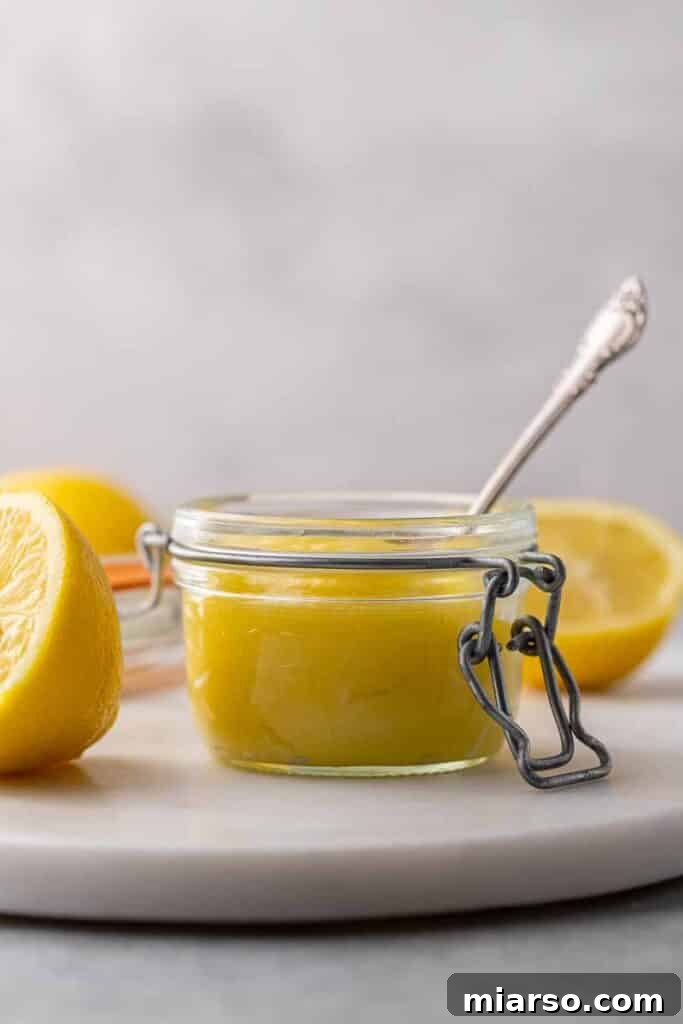
To preserve the exquisite flavor and texture of your scratch-made lemon curd, proper storage is essential. Once cooled, transfer your lemon curd into an airtight container or a jar with a tight-fitting lid. Before sealing, place a piece of plastic wrap directly onto the surface of the curd. This prevents a rubbery “skin” from forming and helps maintain its smooth consistency. Store the container in the refrigerator. When stored correctly, homemade lemon curd will keep beautifully for up to 1 week. However, its irresistible taste often means it rarely lasts that long!
Can you freeze lemon curd and how to thaw?
Absolutely! Lemon curd freezes exceptionally well, making it perfect for meal prepping or extending its shelf life. To freeze, transfer the cooled lemon curd into a freezer-safe, airtight container or heavy-duty freezer bags. Leave a little headspace for expansion. It will maintain its quality in the freezer for up to 2 months. When you’re ready to use it, simply transfer the frozen curd to the refrigerator and allow it to thaw slowly overnight. Once thawed, give it a good stir to restore its smooth consistency before enjoying. Freezing is a fantastic way to ensure you always have this delightful condiment on hand!
What is Lemon Curd Used For? Endless Culinary Possibilities!
The versatility of homemade lemon curd is truly astounding, making it a fantastic addition to both sweet and savory applications. Its bright, tangy profile can elevate a wide array of dishes:
- Dessert Topping: Spoon it generously over mini cheesecakes, pavlova, shortcakes, or fruit tarts for an exquisite finish.
- Breakfast Enhancer: Brighten up your morning by spreading it on warm scones, pancakes, waffles, crêpes, or even stirring a dollop into your oatmeal or yogurt for a gourmet touch.
- Baking Filling: Use it as a luscious filling between cake layers, in delicate tarts, individual pies, or as a vibrant center for macarons and other sandwich cookies.
- Pastry Perfection: Fill croissants or turnovers with lemon curd before baking for a delightful surprise.
- Ice Cream & Sorbet: Swirl it into homemade vanilla ice cream or sorbet for a refreshing citrus twist.
- Cocktail Ingredient: A spoonful can add a lovely tang and richness to certain cocktails.
- Sweet Spreads: Simply enjoy it spread on toast, muffins, or biscuits for a truly indulgent snack.
The uses for lemon curd are genuinely endless. It is such a versatile condiment that effortlessly transforms mundane breakfasts and desserts into flavorful, truly “wow!”-worthy culinary experiences.
Small Batch Lemon Curd Recipe
If you’ve had the pleasure of making and enjoying this small-batch lemon curd recipe, please consider leaving a 5-star review by clicking on the stars below the title and description. Your feedback truly helps!
Small Batch Lemon Curd
Equipment
Ingredients
- 1 large egg at room temperature
- 1/3 cup granulated sugar
- 1/4 cup fresh lemon juice
- 1/2 tsp lemon zest
- 2 tbsp cold unsalted butter
Instructions
- In a medium saucepan, bring the lemon juice and lemon zest to a boil over medium heat. This step helps to infuse the liquid with maximum lemon flavor.
- While the lemon juice is heating up, whisk the room temperature egg and granulated sugar together in a medium bowl until the sugar is completely dissolved and the mixture is light.
- To temper the egg, very slowly pour about half of the hot lemon juice into the beaten egg mixture while whisking rapidly. This gradual addition prevents the egg from cooking too quickly and curdling.
- Pour the tempered egg and lemon mixture back into the medium saucepan with the remaining hot lemon juice. Cook over medium-low heat, stirring constantly with a whisk or heat-proof spatula, until the lemon curd thickens to a custard-like consistency and coats the back of a spoon. This usually takes about 5-7 minutes. Remove from heat immediately once thickened.
- Add the cold butter, cut into small pieces, to the hot curd. Continue stirring until the butter is completely melted and smoothly combined, making the curd glossy and rich.
- For an extra smooth consistency, press the warm lemon curd through a fine-mesh sieve into a clean bowl. This removes any small lumps or pieces of zest, ensuring a velvety texture.
- Transfer the lemon curd to an airtight container or jar. To prevent a skin from forming, press plastic wrap directly onto the surface of the curd. Chill in the fridge for at least 2-4 hours, or until thoroughly cooled and thickened to your desired consistency. The curd will continue to firm up as it chills.
Notes
How to store homemade lemon curd?
Store your freshly made lemon curd in an airtight container in the fridge, pressing plastic wrap directly onto the surface to prevent a skin. It will stay fresh for up to 1 week.Can you freeze lemon curd?
Yes, absolutely! For longer storage, freeze the curd in an airtight, freezer-safe container for up to 2 months. Thaw in the refrigerator overnight before use.Nutrition
Nutrition information is automatically calculated, so should only be used as an approximation.
Thank you for journeying through this recipe with us! We hope you’re inspired to create your own batch of this delightful lemon curd.
If you’ve enjoyed this recipe, don’t forget to let us know in the comments below! We love hearing from you. In the meantime, be sure to follow us on Instagram for more delicious inspiration and behind-the-scenes peeks!

Shop This Recipe
This post may contain affiliate links, meaning that at no additional cost to you, I will earn a small commission if you make a purchase through my links. Your support helps keep this blog running!
Pin This Small Batch Lemon Curd Recipe for Future Delights!