
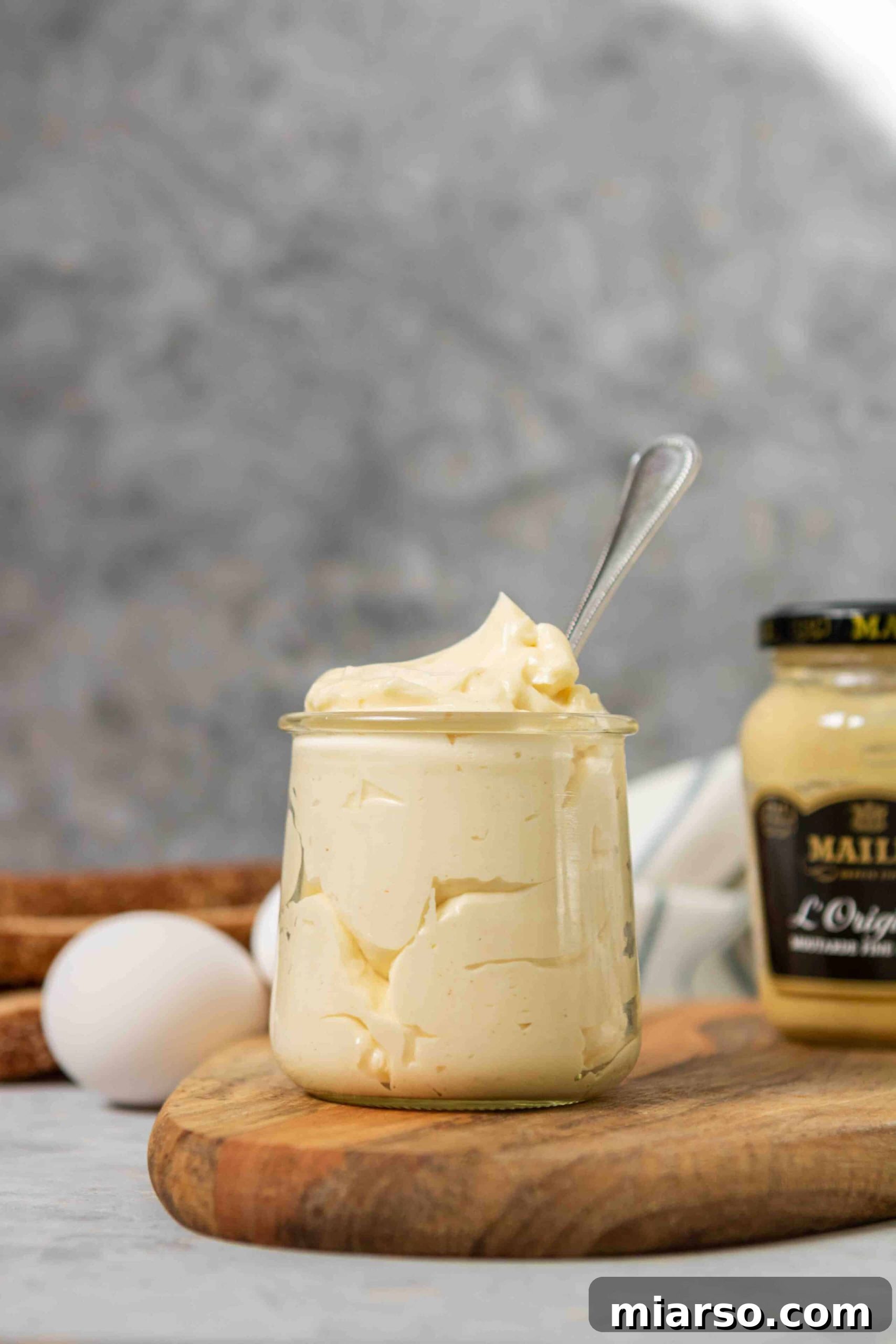
Welcome to the ultimate guide for crafting the most luxurious, creamy, and undeniably delicious homemade mayonnaise right in your own kitchen! Forget about those store-bought jars filled with mysterious ingredients and preservatives. With just five simple ingredients and less than ten minutes of active preparation, you can whip up a batch of fresh, vibrant mayonnaise that will revolutionize your culinary creations. Prepare to be amazed – once you taste this easy, fail-proof recipe, you’ll wonder why you ever settled for anything less!
Join Our Community! Get Weekly Meal Plans & Exclusive Recipes!
Subscribe to Our Newsletter
Enter your email below to receive a free weekly meal planner, recipe cards, and the latest culinary inspiration directly to your inbox!
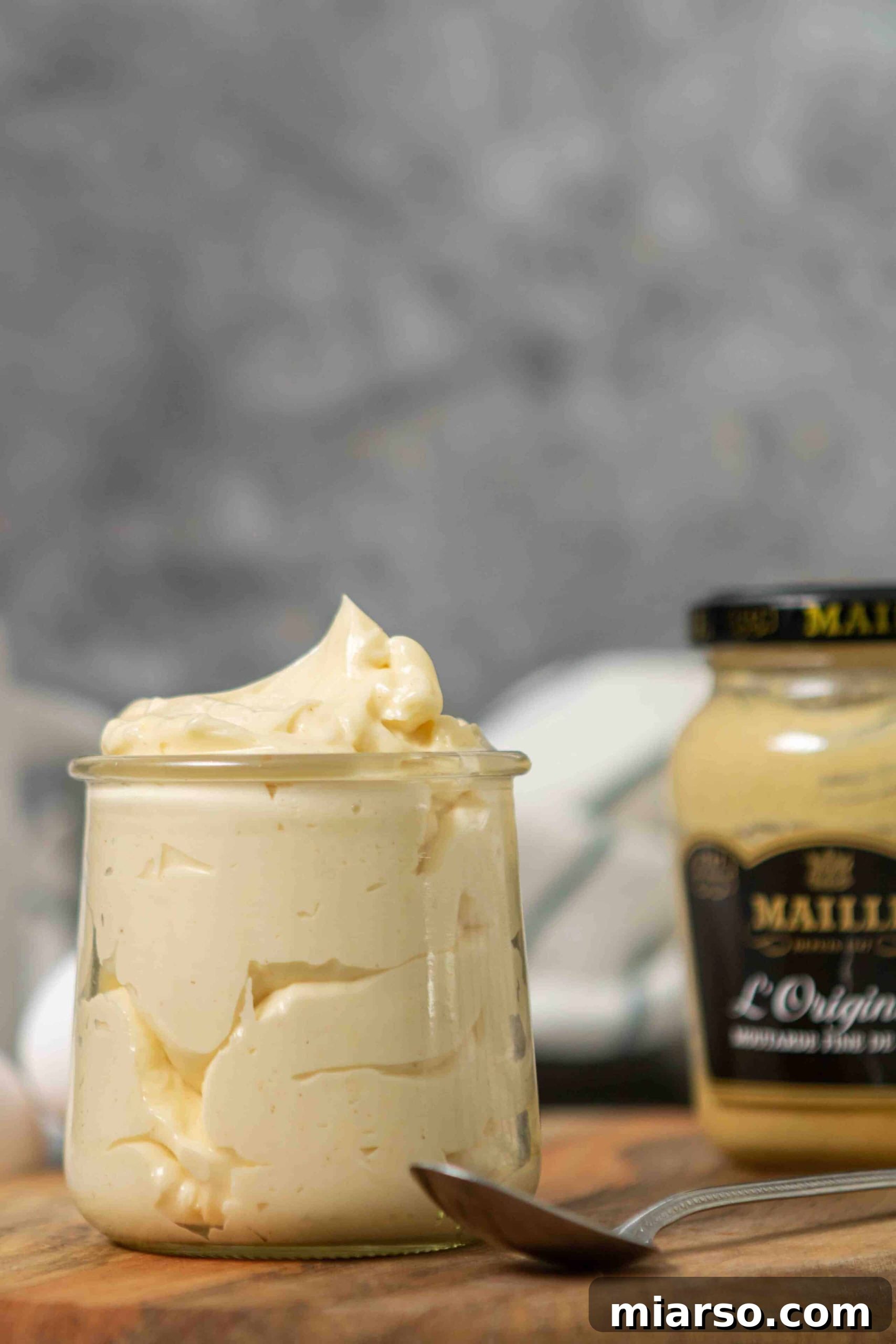
The Ultimate Guide to Easy, Fail-Proof Homemade Mayonnaise in Your Food Processor
My love affair with mayonnaise began early. I still recall fond childhood memories with my cousin at my grandmother’s house, making “mayo sandwiches” with a generous spread of mayonnaise and ketchup on white bread. Yes, I might have been a slightly plump child, but when food brings that much joy, it’s hard to resist!
Looking back at those mayo sandwiches, I admit it’s a tad amusing, but I completely understand my younger self. Food truly is life, and the simple pleasure of a rich, creamy condiment can make all the difference to a meal.
That lifelong passion for mayonnaise is why I’m so excited to share this incredibly simple and versatile homemade mayonnaise recipe. Whether you’re looking for a fun kitchen project, want to avoid a trip to the grocery store, or simply desire a healthier, fresher alternative, this recipe is for you. It’s perfect for elevating everyday dishes or creating exciting new sauces.
Why Make Your Own Mayonnaise? The Homemade Advantage
If you’ve never ventured into making your own mayonnaise, let go of any apprehension. It’s surprisingly easy and offers significant advantages over store-bought varieties:
- Unbeatable Freshness and Flavor: Homemade mayonnaise boasts a vibrant, rich flavor that mass-produced versions simply cannot match. It’s brighter, creamier, and truly tastes like real food.
- No Unwanted Preservatives or Additives: Store-bought mayo often contains a long list of ingredients, including stabilizers, thickeners, and preservatives. When you make it at home, you control every single ingredient, ensuring a clean and natural condiment.
- Quick and Convenient: This recipe comes together in under 10 minutes, making it faster than a trip to the store, especially when the weather is unpleasant or you’re short on time.
- Cost-Effective: You’ll often find that making mayonnaise from scratch is more economical than regularly purchasing premium store brands.
- Customizable to Your Taste: Adjust the acidity, saltiness, or add different flavorings to create a mayonnaise that perfectly suits your palate and intended use.
What Makes This Food Processor Mayonnaise So Special?
Homemade mayonnaise is a staple in our kitchen, and this particular food processor method is a favorite for several reasons:
- Speed: From start to finish, you’re looking at less than 10 minutes of active preparation. It’s the ultimate quick fix for a delicious condiment.
- Fantastic Flavor Profile: The taste is unparalleled. You can easily tweak the tanginess, savory notes, or add a hint of spice to make it uniquely yours.
- Pure Ingredients: Say goodbye to processed ingredients and unnecessary additives. This recipe puts you in complete control of what goes into your food.
- Fun and Rewarding: There’s a genuine satisfaction in creating something so delicious and versatile from scratch. It’s a simple culinary triumph!
- Fail-Proof Method: Designed for success, even for first-time mayonnaise makers, this recipe guides you to a perfect emulsion every time.
Essential Ingredients for Perfect Homemade Mayonnaise
Making your own mayonnaise requires just a few basic ingredients, most of which you likely already have in your pantry. The quality of these ingredients directly impacts the final flavor and texture of your mayo, so choose wisely!
- Egg: The foundation of any classic mayonnaise. The yolk contains lecithin, a powerful emulsifier that binds the oil and acid together into a creamy sauce. For best results and peace of mind, ensure your egg is at room temperature. While I personally use raw eggs without issue, if you have concerns, opt for pasteurized eggs which are heat-treated to eliminate harmful bacteria.
- Mustard: A critical unsung hero! While you won’t distinctly taste mustard in the finished mayo, it plays two vital roles. Firstly, it adds a subtle depth of flavor, enhancing the overall savory notes. More importantly, mustard acts as a secondary emulsifier, containing compounds that help stabilize the emulsion and prevent it from separating. Dijon mustard or yellow mustard both work well.
- Apple Cider Vinegar: The acidic component is crucial for both flavor and stability. Vinegar helps to coagulate the egg proteins, further strengthening the emulsion. Apple cider vinegar lends a mild, slightly fruity tang, but white vinegar can also be used for a sharper flavor.
- Salt: A touch of salt is essential for seasoning and balancing the flavors. Start with the recommended amount and adjust to your preference at the end.
- Neutral Flavored Oil: This is the largest component by volume, so choosing the right oil is key to a smooth, delicious mayonnaise. A neutral oil ensures the mayo’s delicate flavor shines through without any overpowering bitterness or strong taste from the oil itself.
- Lemon Juice (Optional): For an extra burst of brightness and acidity, a squeeze of fresh lemon juice at the end can elevate the flavor profile, adding a refreshing zest.
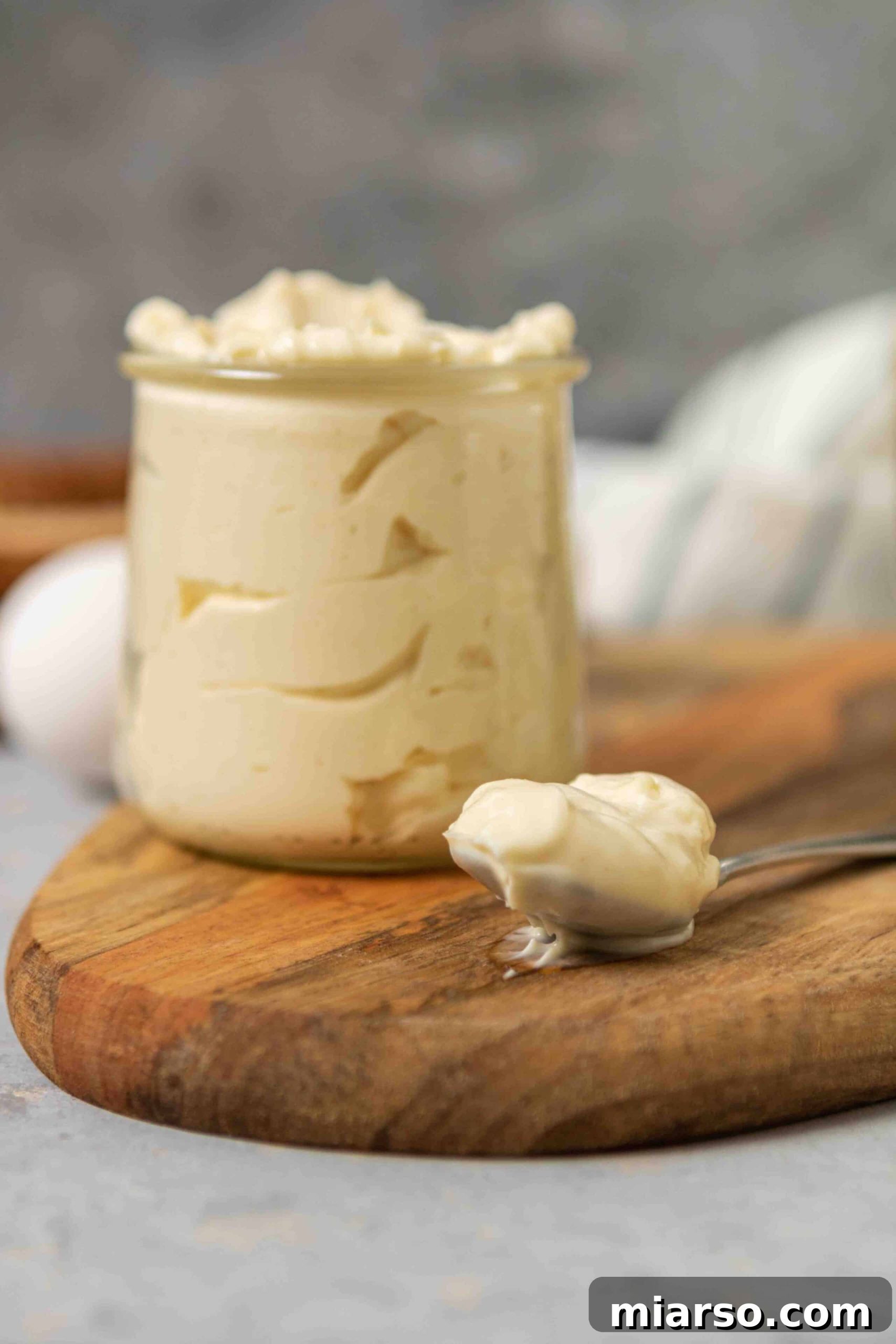
What is the Best Oil to Use for Mayonnaise?
The choice of oil is paramount when making homemade mayonnaise. Because mayo has a delicate, smooth flavor profile, you want an oil that is subtle and won’t impart a bitter or overly strong taste. Here are some of the best neutral oils to consider:
- Grape-seed Oil: A popular choice for its light texture and truly neutral flavor.
- Canola Oil: Widely available and affordable, canola oil is very mild and works beautifully.
- Sunflower Oil: Another excellent neutral option, offering a smooth finish.
- Peanut Oil: While technically neutral in flavor, be mindful if anyone consuming the mayo has a peanut allergy.
- Light Olive Oil: If you prefer olive oil, make sure to use “light” or “extra light” olive oil, NOT extra virgin olive oil. Extra virgin olive oil has a very strong, peppery flavor that can make your mayonnaise bitter and unpleasant.
Avoid oils with strong flavors like unrefined sesame oil, avocado oil (unless you specifically want that flavor), or regular olive oil (as mentioned above). The goal is a clean, classic mayonnaise taste.
Are Raw Eggs Safe to Eat in Homemade Mayonnaise? Addressing Common Concerns
The use of raw eggs in homemade mayonnaise is a frequent point of discussion. According to the USDA, consuming raw eggs carries a slight risk of salmonella poisoning. However, in my personal experience, and for many home cooks, I’ve never encountered an issue. I regularly enjoy raw cookie dough and fresh homemade mayonnaise without a second thought.
The risk of salmonella is statistically quite low, estimated at roughly 1 in 20,000 eggs. To minimize this already small risk, always use very fresh, high-quality eggs from a reputable source. Ensure your eggs are properly stored in the refrigerator and have not expired.
For those who prefer to be 100% safe, there are excellent alternatives:
- Pasteurized Eggs: These eggs have been gently heated to kill bacteria without cooking the egg. They are readily available in most grocery stores and are a great option for any recipe calling for raw eggs.
- Egg Substitutes: Some brands offer liquid egg products that are pasteurized and suitable for recipes like mayonnaise.
Ultimately, the choice is yours. By being informed and taking precautions like using fresh, quality eggs or pasteurized eggs, you can enjoy homemade mayonnaise with confidence.
Step-by-Step Guide: How to Make Fail-Proof Mayonnaise at Home!
Making mayonnaise is a science, but a simple one. The key is creating a stable emulsion – suspending tiny droplets of oil within the egg and acid mixture. Follow these steps carefully for perfect, thick, and creamy mayonnaise every time.
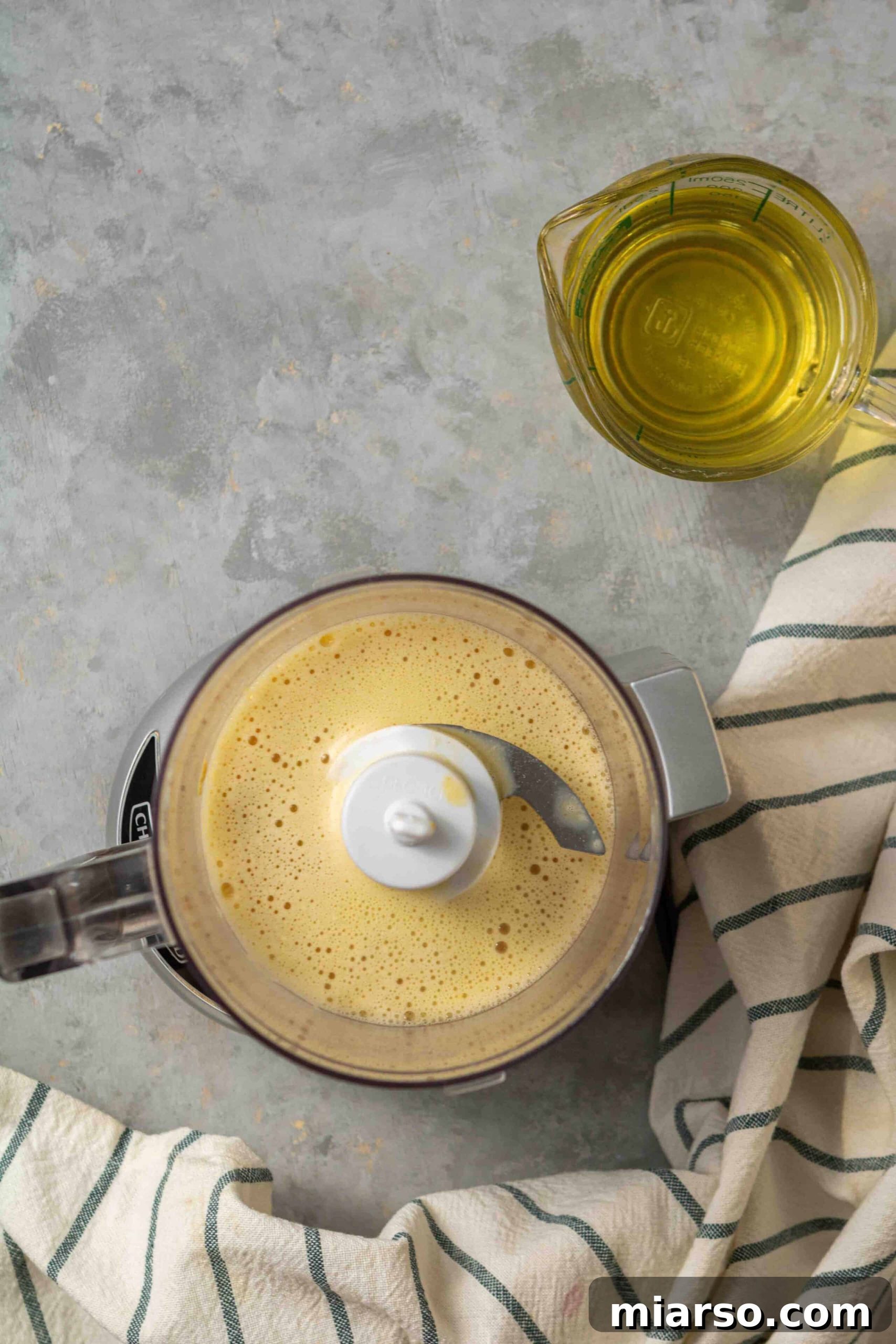
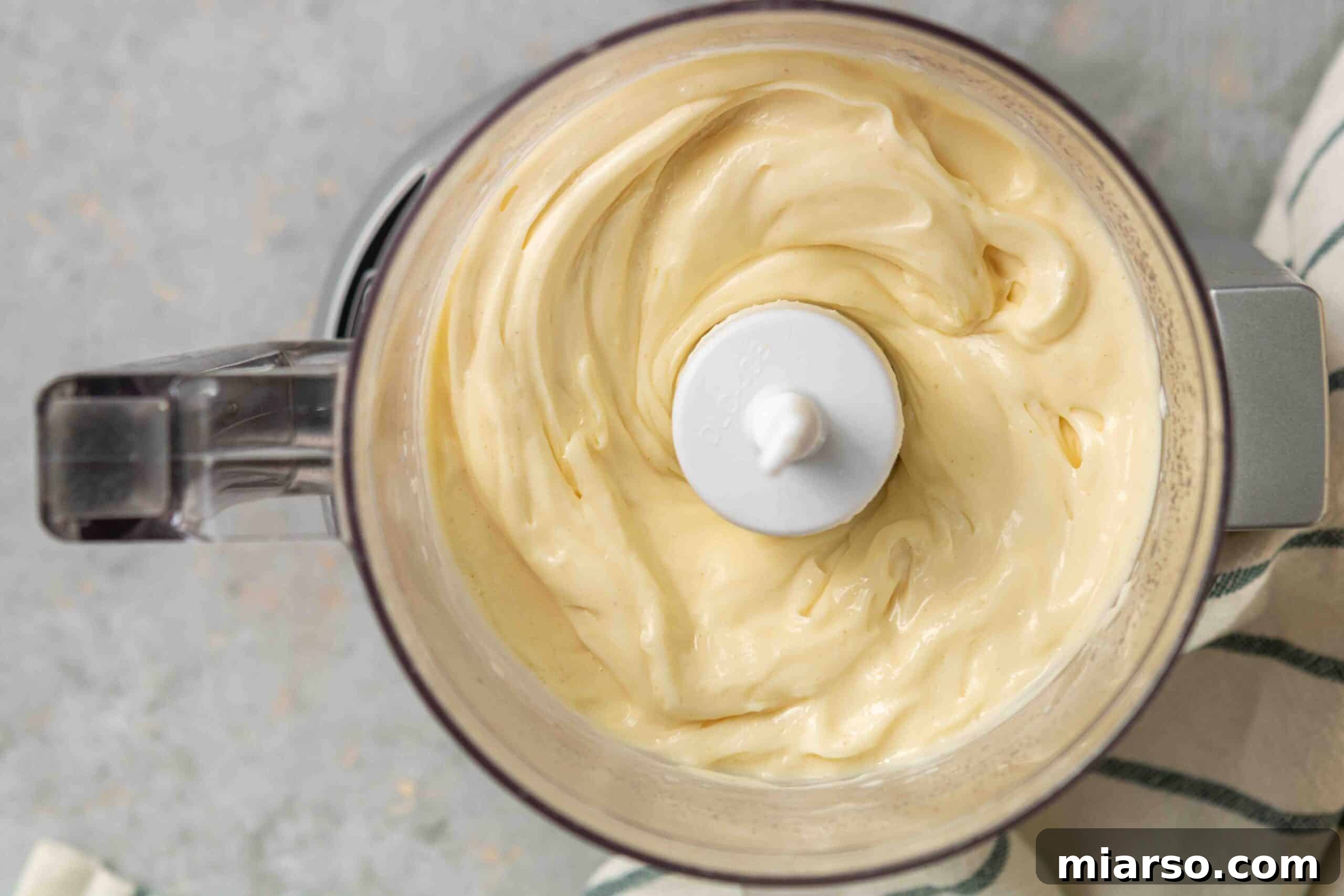
- Combine Base Ingredients: In the bowl of a small food processor (or using the small bowl attachment of a larger food processor), add the egg, mustard, apple cider vinegar, and salt. Process these ingredients for about 30 seconds. This step ensures they are well combined and the egg yolk is broken down, ready to emulsify.
- Slowly Incorporate Oil: Scrape down the sides of the food processor bowl to ensure everything is in contact with the blade. Turn the food processor on again. Now, very slowly, begin to drizzle the neutral oil into the mixture through the feed tube. The initial stream of oil should be incredibly thin – almost a drip. This slow addition is absolutely critical for the emulsion to form properly. If you add the oil too quickly at this stage, your mayonnaise is likely to “break” (separate).
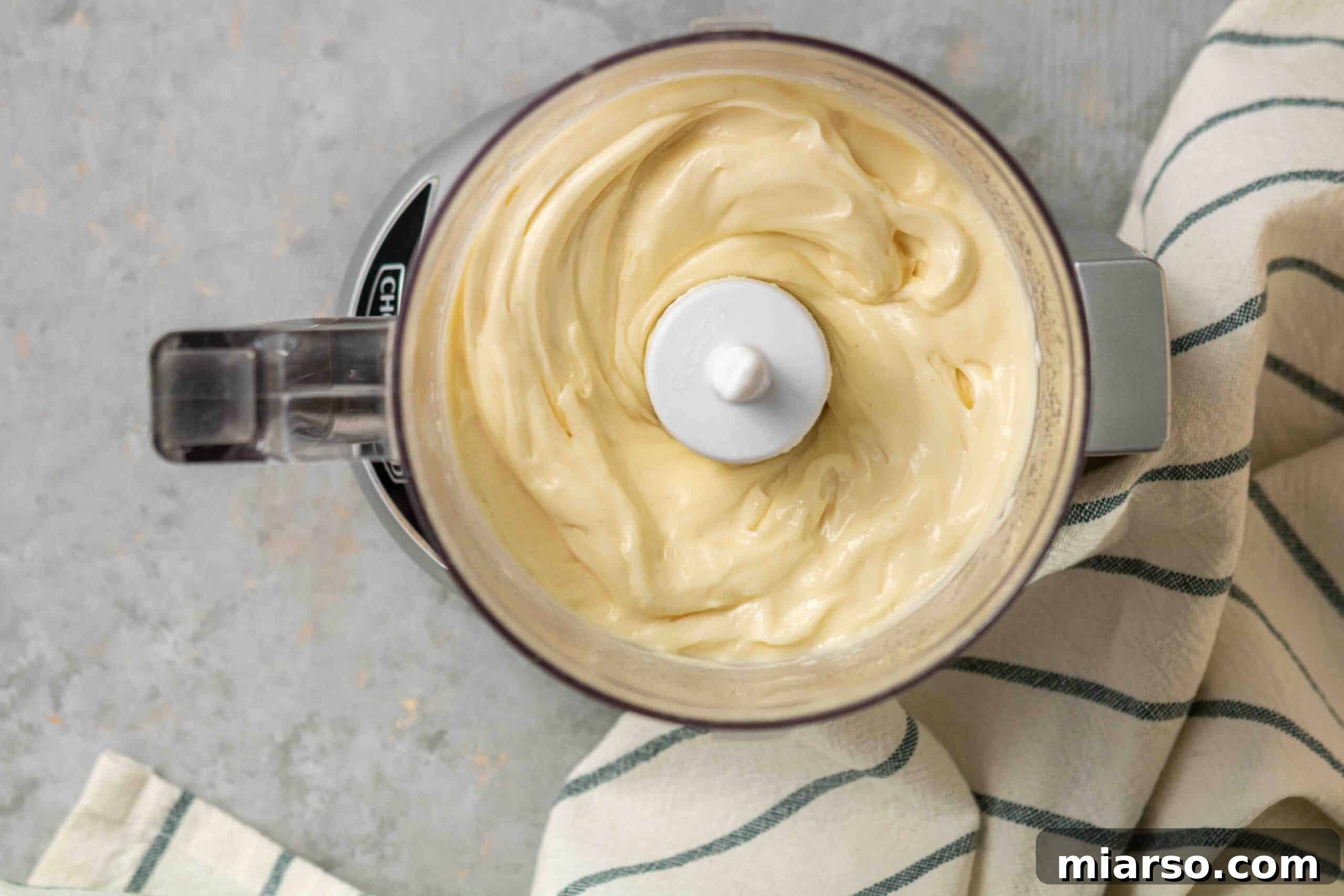
- Increase Oil Speed as Mayonnaise Thickens: As you continue to add the oil, you will notice the mixture in the food processor starting to thicken and turn opaque. Once it begins to visibly emulsify and thicken, you can gradually increase the speed at which you pour the oil. Continue pouring until all the oil is incorporated and the mayonnaise reaches your desired consistency.
- Final Seasoning and Processing: After adding the last bit of oil, allow the food processor to run for another 10 seconds to fully incorporate everything. Turn off the food processor, scrape down the sides, and taste your homemade mayonnaise. At this point, you can adjust the seasoning by adding more salt or a squeeze of fresh lemon juice for extra brightness. Process for another 5-10 seconds to mix in any adjustments.
Troubleshooting Common Homemade Mayonnaise Mistakes
Even with a fail-proof recipe, sometimes things go awry. Here’s what to do if your mayonnaise breaks (separates into oil and egg/vinegar):
How to Fix Broken Mayonnaise: Don’t despair! A broken mayonnaise can often be saved.
- Method 1 (Using another egg yolk): In a clean bowl, whisk one fresh egg yolk. Very slowly, add the broken mayonnaise mixture to this fresh egg yolk, whisking constantly until it emulsifies again. Go very slowly, just like you did with the initial oil addition.
- Method 2 (Using mustard): In a clean bowl, combine a teaspoon of Dijon mustard with a tablespoon of the broken mayonnaise. Whisk vigorously until it starts to come together. Then, slowly drizzle in the rest of the broken mayonnaise, whisking continuously.
- Method 3 (Using water): Sometimes, a broken emulsion just needs a little extra liquid. Try adding a teaspoon of warm water to your broken mayo and whisking it in gradually. This can sometimes help the emulsion re-form.
The key is to always add the broken mixture very slowly to a fresh emulsifier (egg yolk or mustard) or a small amount of liquid, giving it time to re-emulsify.
Storing Your Homemade Mayonnaise
Because homemade mayonnaise contains raw egg, it has a shorter shelf life than its store-bought counterparts. Store your mayonnaise in an airtight container in the refrigerator for up to 1 week. Always use a clean spoon to scoop it out to prevent contamination. Observe any changes in smell or appearance; if it looks or smells off, it’s best to discard it.
Can I Freeze Homemade Mayonnaise?
Unfortunately, no. Freezing homemade mayonnaise is not recommended. The delicate emulsion, which we worked so hard to create (and yes, it was pretty easy!), will break when thawed. You’ll end up with an oily, separated mess rather than a creamy condiment. It’s best to enjoy your homemade mayonnaise fresh within its refrigerated shelf life.
Homemade Mayonnaise Variations: Unleash Your Creativity!
This basic mayonnaise recipe is an incredible starting point for a myriad of delicious sauces. Feel free to experiment and customize it to your heart’s content!
- Garlic Aioli: For a super flavorful garlic aioli, simply add one or two minced garlic cloves to the egg mixture at the very beginning of the recipe. Process it with the egg to ensure the garlic is finely incorporated and its flavor infused.
- Spicy Sriracha Mayo: To create a vibrant and spicy sriracha mayo, add 1-3 teaspoons of sriracha (or more, if you’re feeling bold!) after your mayonnaise has thickened. Process for another 10-15 seconds to ensure the sriracha is fully combined.
- Herb Mayo: Stir in finely chopped fresh herbs like parsley, chives, dill, or tarragon after the mayonnaise is complete for a fresh, aromatic twist.
- Smoked Paprika Mayo: Add a teaspoon of smoked paprika along with the salt for a smoky, earthy flavor that pairs wonderfully with roasted vegetables or grilled meats.
- Lemon Herb Mayo: Combine fresh lemon zest and your favorite herbs for a bright and zesty mayo, perfect for seafood.
Expert Tips for Homemade Mayonnaise Success
- Patience is a Virtue, Especially with Oil: The most crucial tip for making mayonnaise is to add the oil slowly, especially at the beginning. A slow, steady stream is essential for proper emulsification. Rushing this step is the most common reason for mayonnaise to break.
- Temperature Matters: Ensure your egg is at room temperature. This helps it emulsify more easily with the oil. If your egg is cold, simply place it in a bowl of warm water for a few minutes before starting.
- Don’t Over-mix: While you need to process long enough for the emulsion to form and thicken, over-mixing can sometimes lead to a thinner consistency or even cause the emulsion to break. Once it’s thick and creamy, it’s done.
- Start with Quality Ingredients: Since there are so few ingredients, the quality really shines through. Use the freshest egg and best quality oil you can find.
- Clean Equipment: Ensure your food processor bowl and blade are completely clean and dry before you begin. Any residual grease or water can interfere with the emulsion.
Recipes to Use Your Homemade Mayonnaise In
Once you have a fresh batch of homemade mayonnaise, the possibilities are endless! Here are some delicious ideas to get you started:
- Delicious 5-Minute Tuna Sandwich: Elevate this classic with your fresh, creamy mayo.
- Easy Macaroni Salad: A spoonful of homemade mayo takes macaroni salad to a whole new level of richness.
- Mayo Parmesan Chicken Breasts: For incredibly tender and flavorful chicken.
- Creamy Potato Salad: The ultimate picnic side dish.
- Deviled Eggs: The star ingredient for perfectly creamy deviled eggs.
- Coleslaw: Binds shredded cabbage and carrots beautifully.
- Dressings and Dips: The perfect base for ranch dressing, tartar sauce, or a simple dipping sauce for fries.
- Sandwich Spreads: Make any sandwich or wrap taste gourmet.
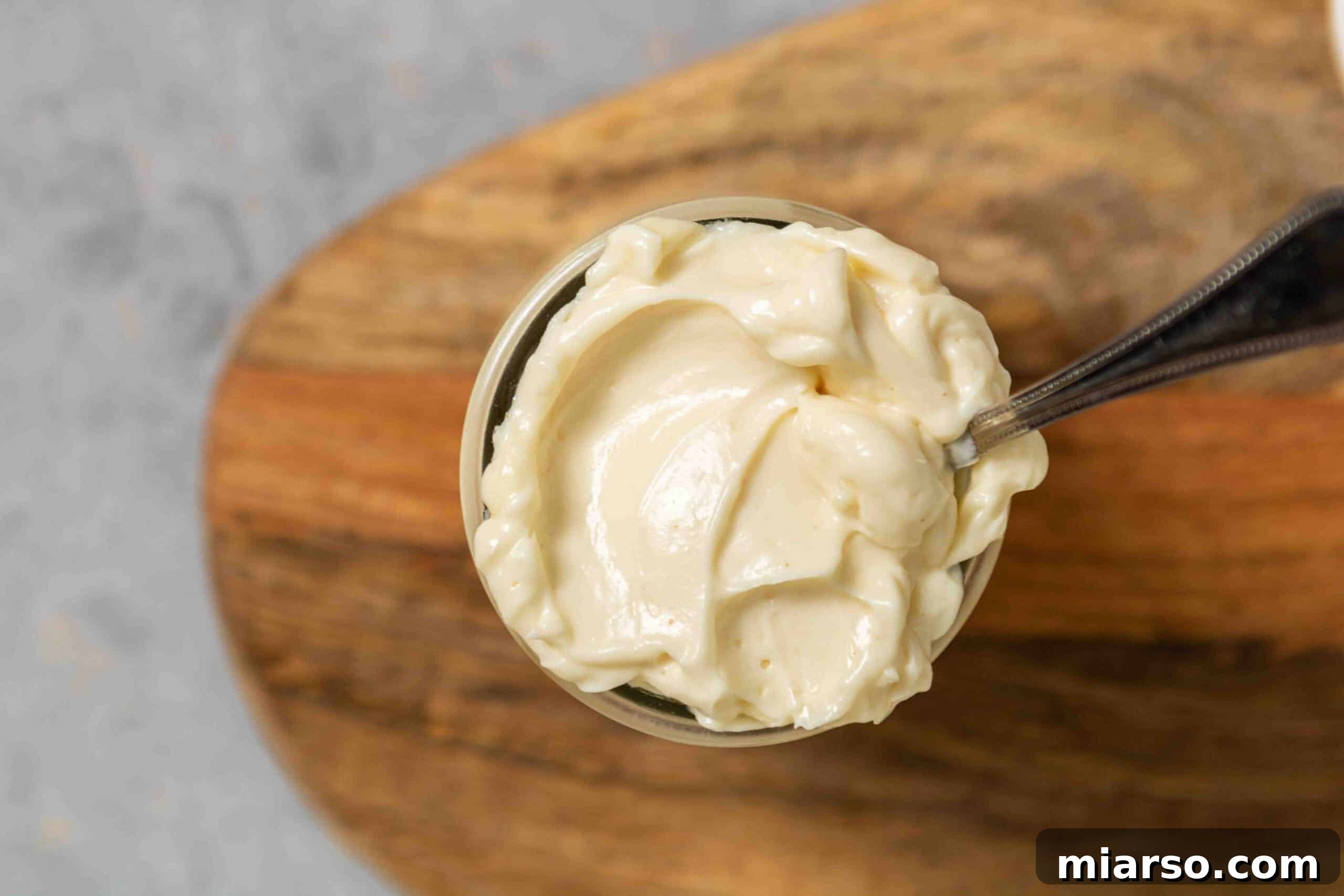
Easy Homemade Mayonnaise in the Food Processor
If you enjoyed this homemade mayonnaise recipe and found it helpful, please consider leaving a 5-star rating by clicking on the stars below the title and description! Your feedback helps other home cooks discover this fantastic recipe.
No-Fail Food Processor Homemade Mayonnaise Recipe
This homemade mayonnaise is an easy and fun recipe to make at home. It’s also fail-proof, so you’ll be enjoying fresh, creamy mayo in no time!
Equipment
Ingredients
- 1 large egg
- 1/2 tbsp mustard
- 1 tbsp apple cider vinegar or white vinegar
- 1/4 tsp salt
- 1 cup neutral flavored oil
- Optional: 1 tsp fresh lemon juice
Instructions
-
In a small food processor or using the small bowl attachment of your large food processor, add the egg, the mustard, apple cider vinegar, and salt and process for 30 seconds.
-
Scrape down the sides of the food processor bowl. Turn on the food processor again and slowly start adding the oil in a thin, steady stream. You want to go as slow as possible to allow your mayonnaise to emulsify. Once the mayonnaise mixture starts to thicken and turn opaque, you can begin adding your oil a little faster until all oil is incorporated.
-
Wait 10 seconds after adding the last bit of your oil, then turn off the food processor. Scrape the sides, taste the mayo, and add any additional salt or lemon juice to taste. Process for another 10 seconds to combine.
Nutrition
Nutrition information is automatically calculated, so should only be used as an approximation.
Frequently Asked Questions About Homemade Mayonnaise
- How long does homemade mayonnaise last? When stored in an airtight container in the refrigerator, homemade mayonnaise is best used within 5-7 days.
- Can I use an immersion blender instead of a food processor? Absolutely! An immersion blender is an excellent tool for making mayonnaise, often even quicker than a food processor. Place all ingredients except the oil into a tall, narrow jar or beaker. Insert the immersion blender, turn it on, and slowly drizzle in the oil while keeping the blender head at the bottom of the jar until an emulsion forms, then slowly pull it up.
- My mayonnaise is too thin, what happened? This usually means the emulsion didn’t fully form, or the oil was added too quickly at the beginning. You can try to fix it using the troubleshooting tips mentioned above.
- Can I make mayonnaise without an egg? Yes, you can make vegan mayonnaise using aquafaba (the liquid from a can of chickpeas) as an emulsifier. The texture will be slightly different but still delicious.
Thank you for exploring this guide to homemade mayonnaise! I hope you’re inspired to try this simple yet transformative recipe.
If you tried this awesome homemade mayonnaise recipe and loved it as much as we did, make sure to leave a comment down below to let us know how your creamy creation turned out. In the meantime, don’t forget to follow us on Instagram for more delicious recipes and culinary tips.

SHOP THIS RECIPE
This post may contain affiliate links, meaning that at no cost to you, I will get a small percentage of every purchase you make!