

This rosemary latte is the drink I tried at a coffee shop in Springfield, MO and couldn’t stop thinking about on the drive home. Smooth espresso, steamed milk, a soft touch of vanilla, and a warm, piney rosemary note in every sip.
I recreated it at home with a quick rosemary‑vanilla syrup, two shots of espresso, and steamed milk. The syrup keeps up to two weeks in the fridge, so once it’s made you can have a rosemary latte ready in under two minutes.

Let’s Chit Chat
I nearly walked past the chalkboard when I saw “rosemary latte.” Rosemary in coffee sounded odd. One sip later, I was planning how to make it at home. It didn’t taste like the herb you sprinkle on roasted chicken—rather warm, slightly piney, faintly floral, and it paired beautifully with vanilla and espresso. A tiny bit of salt helps round the flavors.
My version builds the vanilla and a pinch of sea salt right into the syrup using real vanilla bean paste so every cup hits those same notes. If you’ve been skeptical about rosemary in coffee, try this—chances are you’ll be converted.
Why This Rosemary Latte Works
- The syrup does the heavy lifting. Vanilla bean paste and sea salt go into the syrup so every latte tastes balanced without extra measuring at the cup.
- Bruised rosemary, bigger flavor. Twisting sprigs before steeping releases more aromatic oils so you get strong rosemary flavor from fewer sprigs.
- Three sweetener options. White sugar, honey, or brown sugar each change the drink’s character—clean, floral, or caramel‑like.
- Coffee shop quality, fast build. Once the syrup is ready, the latte assembles in about 90 seconds.
Rosemary Latte Ingredients
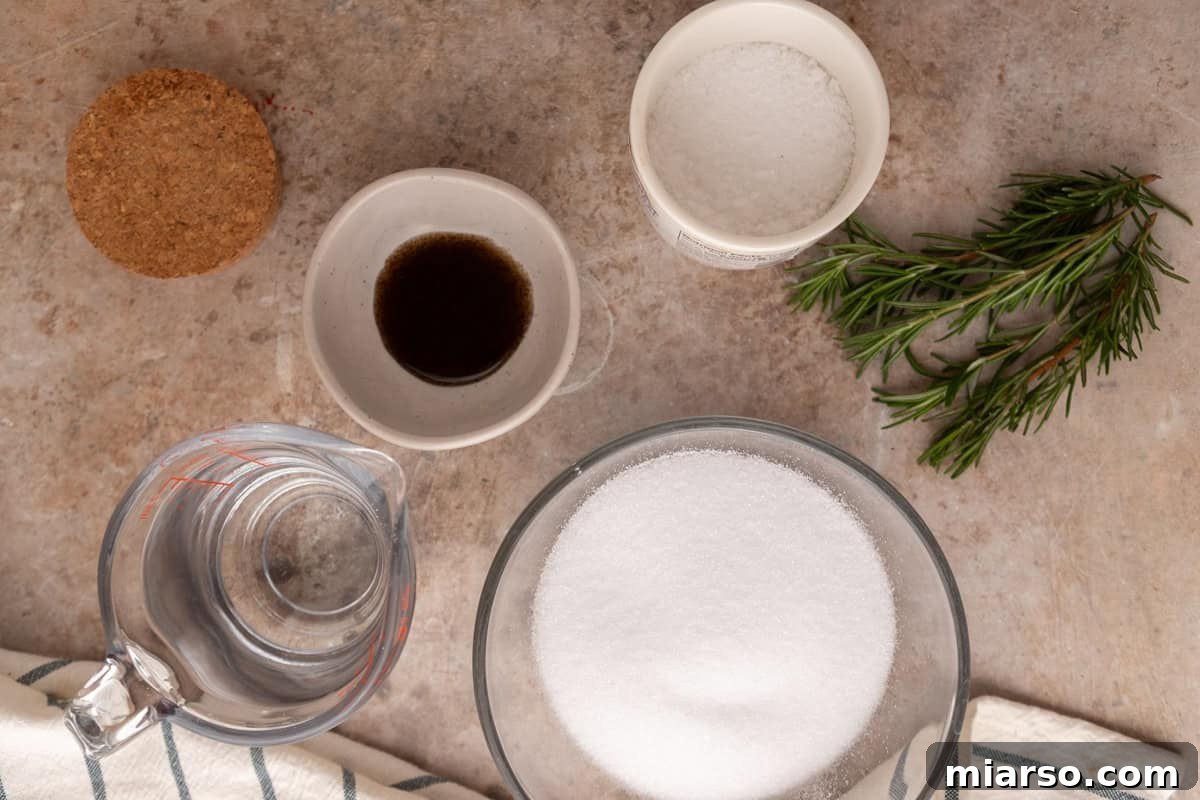
For the rosemary‑vanilla syrup (about 1 cup)
- 1 cup granulated sugar. White sugar keeps the rosemary and vanilla forward; monk fruit can be swapped 1:1 for a lower‑calorie option.
- 1 cup water. A classic 1:1 simple syrup ratio.
- 3–4 fresh rosemary sprigs. Use fresh, not dried—dried rosemary can turn bitter when steeped.
- 1 teaspoon vanilla bean paste. Real vanilla paste gives visible flecks and a deeper flavor than extract.
- 1/8 teaspoon fine sea salt. Rounds out sweetness and boosts the herbal notes.
For the latte (per drink)
- 2 shots espresso (about 2 oz). If you don’t have an espresso machine, use 2 oz very strong brewed coffee or instant espresso dissolved in hot water.
- 6–8 oz milk. Whole milk steams creamiest; oat barista blend and 2% also work. Use a barista non‑dairy for better foam.
- 2 tablespoons rosemary‑vanilla syrup to start; adjust to taste.
How to Make a Rosemary Latte
Step 1: Bruise the rosemary
Twist each rosemary sprig between your hands a few times to bruise the leaves and release their oils. This intensifies the aroma and flavor.
Step 2: Make the rosemary‑vanilla syrup
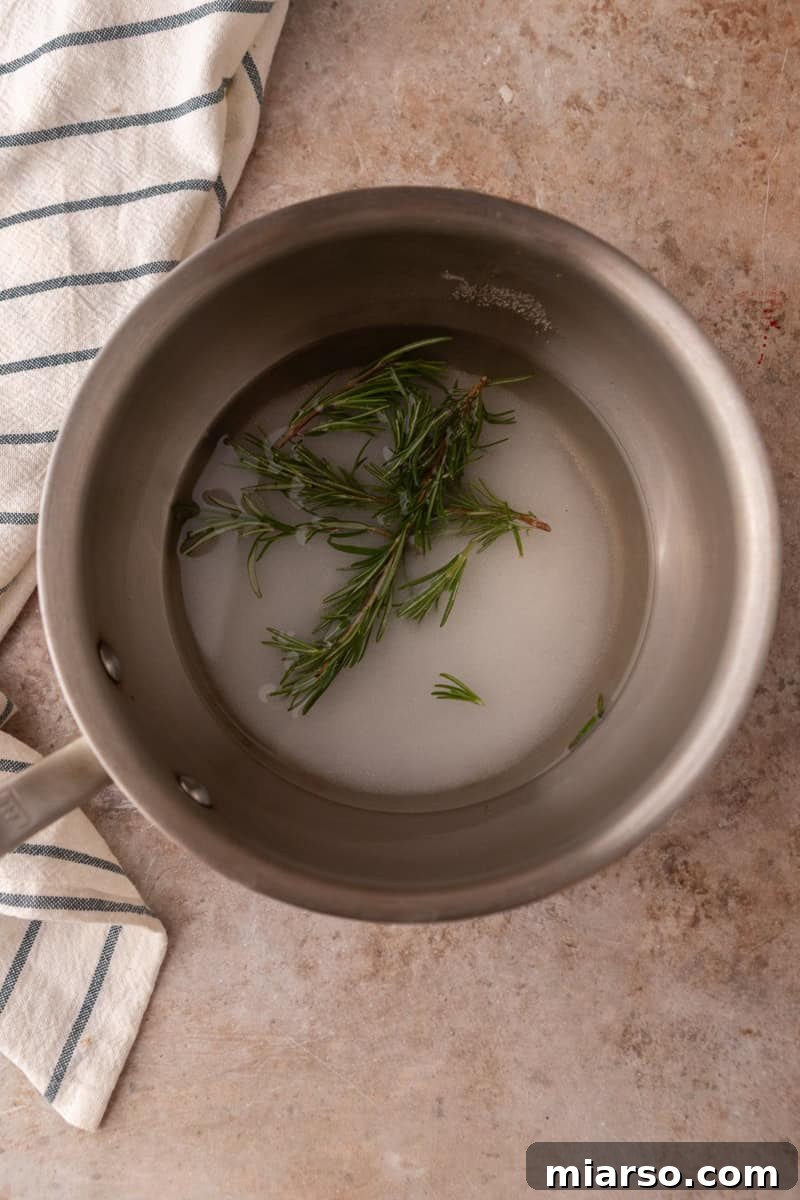
In a small saucepan combine the sugar, water, and bruised rosemary. Warm over medium heat and bring to a gentle simmer, stirring until the sugar dissolves, about 3–5 minutes. Avoid a hard boil.
Step 3: Steep with vanilla and salt
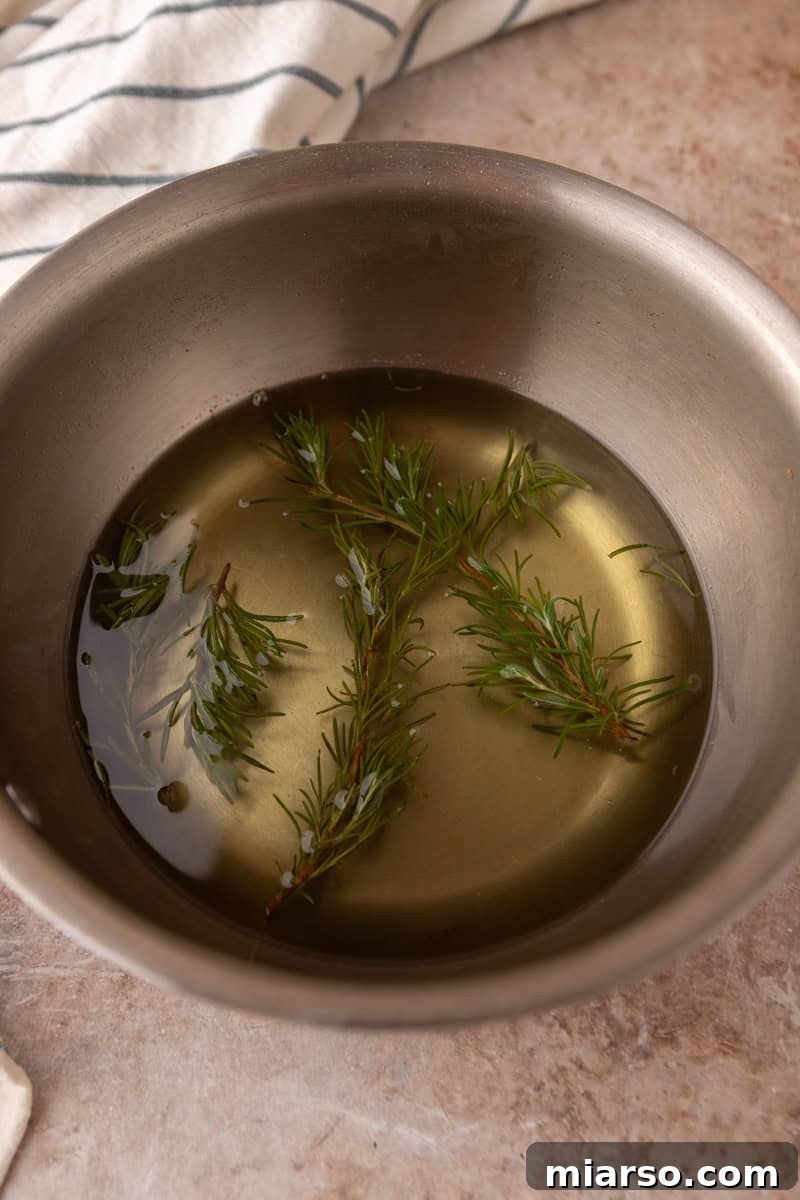
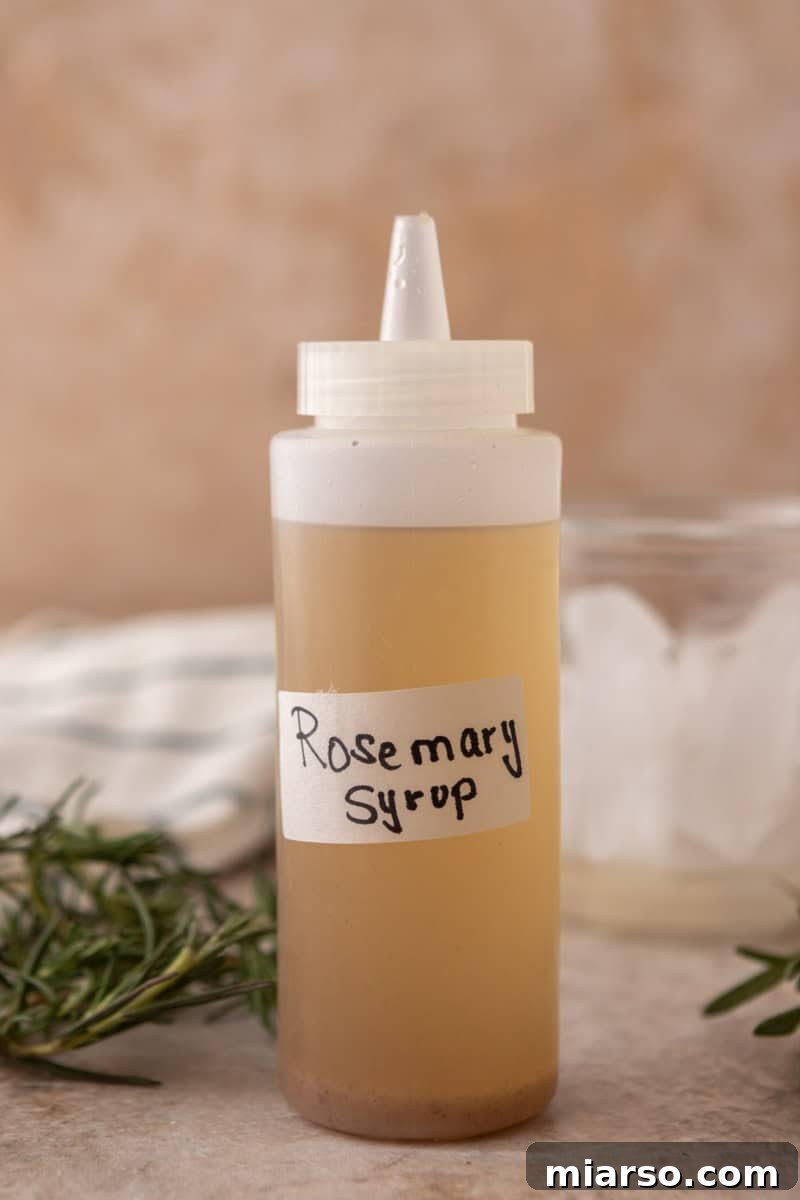
Remove the pan from the heat and stir in the vanilla bean paste and sea salt. Let the rosemary steep in the cooling syrup for at least 30 minutes (longer for a stronger flavor). Strain the sprigs and transfer the syrup to a jar.
Step 4: Build the latte
Add 2 tablespoons of syrup to your mug, pull two shots of hot espresso into the mug, and stir. Pour in steamed or warmed milk, stir gently, top with foam if desired, and garnish with a small rosemary sprig. For iced lattes: add syrup to a glass, fill with ice, pour espresso and milk over the ice, and stir.

Honey vs Brown Sugar vs White Sugar: Which to Use
Each sweetener gives the latte a different personality. Choose based on the mood you want:
White sugar (clean)
Neutral sweetness that lets rosemary and vanilla shine. This is the coffee shop approach and my default. Monk fruit can substitute 1:1 for fewer calories.
Honey (floral)
Soft, floral, slightly earthy—honey pairs naturally with rosemary. Use a 1:1 ratio (1 cup honey to 1 cup water) and warm gently until dissolved; no heavy simmering needed.
Brown sugar (caramel‑like)
Gives deeper, molasses‑y sweetness that makes the latte feel dessert‑like and cozy. It can slightly mute the rosemary, so I reserve this for fall and winter.
Tips for the Best Rosemary Latte at Home
- Always bruise the rosemary. This releases essential oils and gives clear herbal flavor.
- Don’t boil the syrup vigorously. A gentle simmer to dissolve sugar is enough—aggressive boiling can turn rosemary bitter.
- Add vanilla off the heat. Stir vanilla into the syrup after removing it from the burner to preserve flavor.
- Taste and adjust. After 30 minutes of steeping, taste the syrup. If it needs more rosemary, steep another 15–20 minutes before straining.
- Start with less syrup. Try 1 tablespoon first if you prefer a lighter drink; you can always add more.
How to Make an Iced Rosemary Latte
Fill a tall glass with ice, add 2 tablespoons rosemary‑vanilla syrup, pour two shots of espresso over the ice, and top with cold milk. Stir and enjoy.
Storage
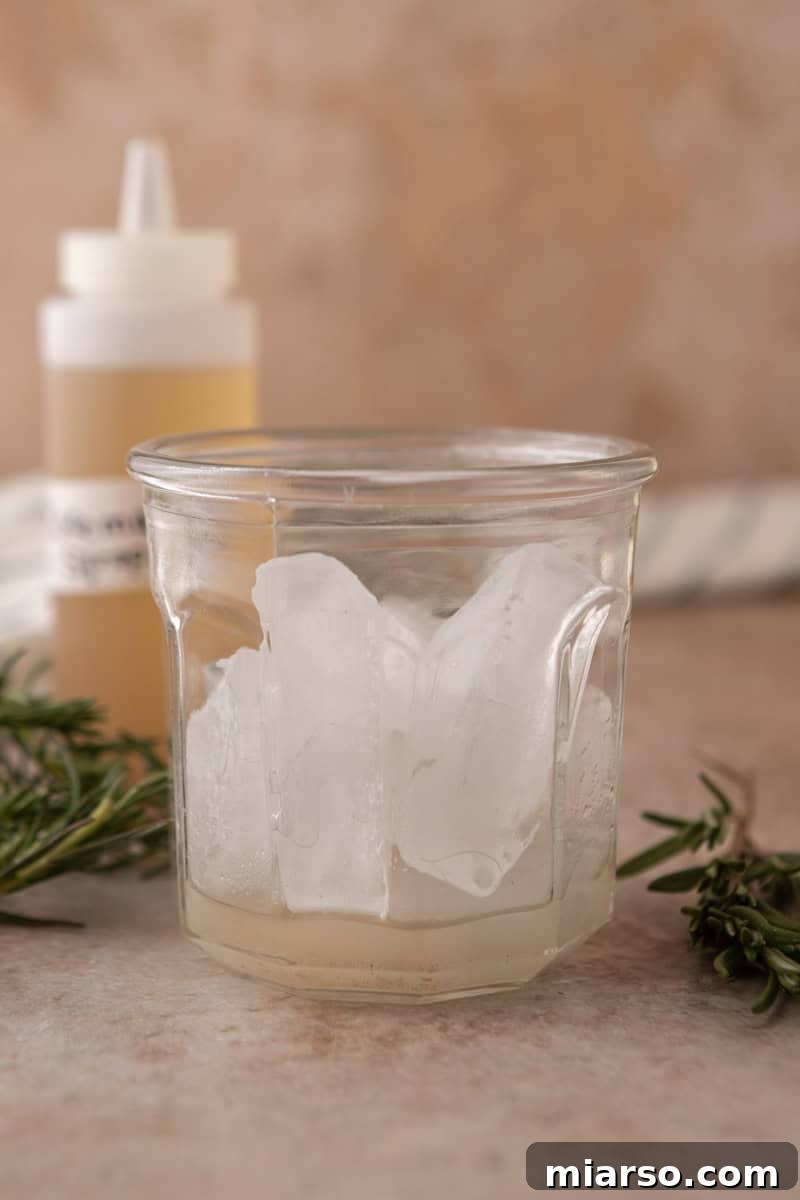
Store the rosemary‑vanilla syrup in an airtight jar in the refrigerator for up to 2 weeks. Shake briefly before using—vanilla specks can settle. The latte itself is best enjoyed immediately, but you can batch the syrup ahead and use it all week.
Frequently Asked Questions
Yes. Rosemary’s piney, herbal notes complement espresso’s bitter, earthy profile. Vanilla and milk soften the herb so it never tastes savory or out of place.
I don’t recommend it. Dried rosemary can become bitter when steeped and is harder to strain cleanly. Fresh rosemary delivers bright, aromatic flavor.
Up to two weeks refrigerated in an airtight jar. You can also freeze the syrup in ice cube trays to extend storage.
Yes. Use 2 oz of very strong brewed coffee or dissolve instant espresso powder in 2 oz of hot water. The drink will be slightly less concentrated but still delicious.
Usually because the rosemary was steeped too long (over an hour and a half) or dried rosemary was used. Stick to fresh rosemary and a 30–45 minute steep for best results.
Absolutely. Oat milk barista blend foams and has a subtle sweetness that pairs well with rosemary. Almond, soy, and coconut milks also work.

Rosemary Vanilla Latte
Ingredients
For the rosemary‑vanilla syrup (makes about 1 cup):
- 1 cup granulated sugar (or sub monk fruit sweetener 1:1)
- 1 cup water
- 3–4 fresh rosemary sprigs
- 1 teaspoon vanilla bean paste
- 1/8 teaspoon fine sea salt
For the latte (per drink):
- 2 shots espresso (about 2 oz)
- 2 tablespoons rosemary‑vanilla syrup, more or less to taste
- 6–8 oz steamed or warmed milk (or cold milk for iced drinks)
Instructions
- Bruise the rosemary. Twist each sprig between your hands a few times to release the oils.
- Make the syrup. In a small saucepan combine sugar, water, and bruised rosemary. Bring to a gentle simmer, stirring until the sugar dissolves, about 3–5 minutes.
- Steep. Remove from heat, stir in vanilla bean paste and sea salt, and let the rosemary steep at least 30 minutes. Strain and transfer syrup to a jar.
- Build the latte. Combine 2 tablespoons syrup and 2 shots espresso in a mug, stir, then add steamed or warmed milk. Top with foam and garnish with rosemary if desired.
Notes
Sweetener swaps and how each one tastes:
White sugar: Clean, neutral sweetness that lets rosemary and vanilla lead. Sub monk fruit 1:1 to reduce calories.
Honey: Soft, floral, slightly earthy—pairs well with rosemary. Use 1 cup honey to 1 cup water and warm gently until dissolved.
Brown sugar: Deeper, molasses‑like sweetness that makes the latte feel cozy and dessert‑like; it can mute rosemary slightly, good for cooler months.
Nutrition
Carbohydrates: 37 g |
Protein: 6 g |
Fat: 5 g
Nutrition information is an approximation.