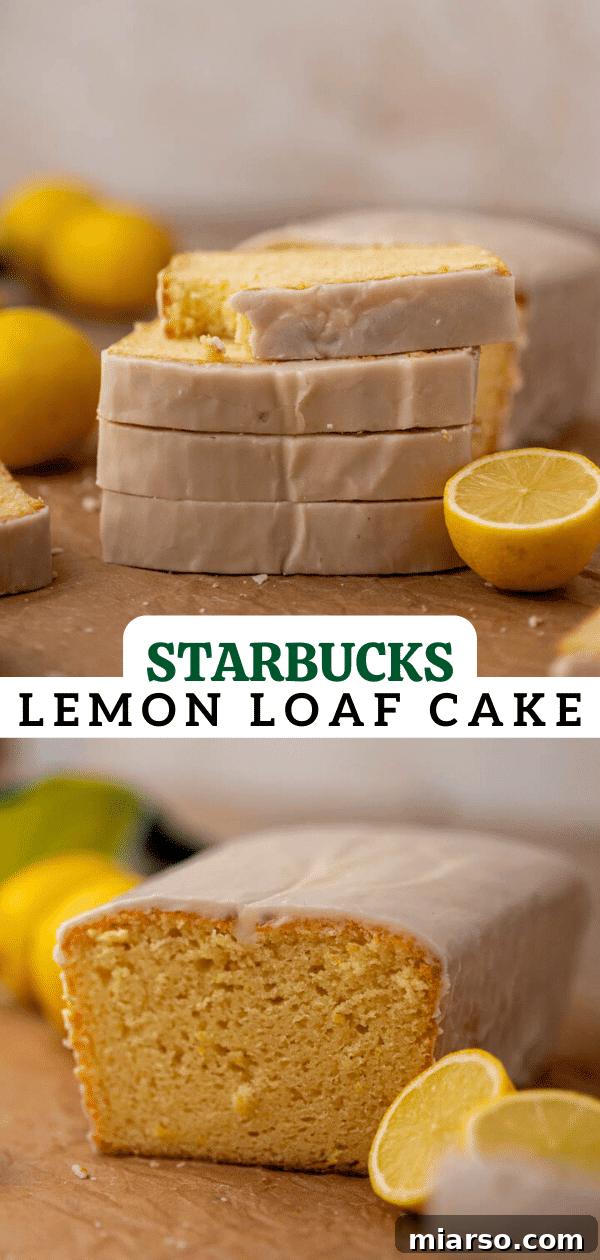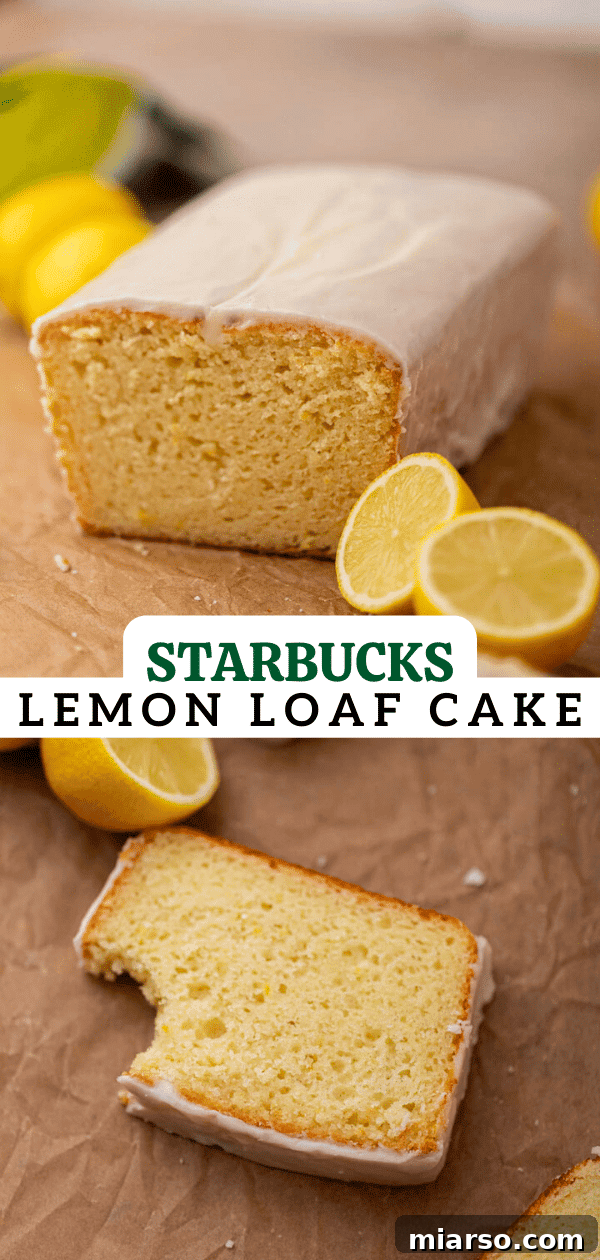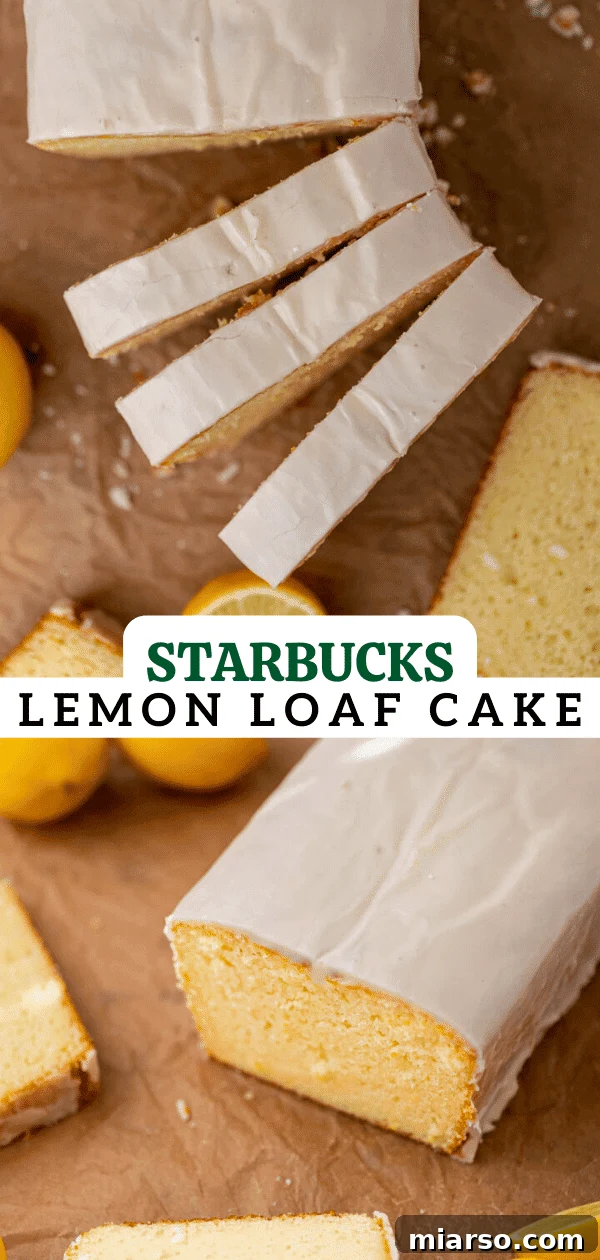
Indulge in the delightful taste of Starbucks with this incredible copycat lemon loaf cake recipe. Crafted with readily available ingredients, this homemade version not only rivals the original in flavor and texture but often surpasses it, all while being significantly more budget-friendly. Prepare to impress yourself and your loved ones with this bakery-quality treat right from your own kitchen.
If you’re a devoted fan of zesty lemon desserts, you’re in for a treat! Before diving into this iconic lemon loaf, be sure to explore my other lemon-infused delights: an easy small batch lemon curd, these irresistible lemon curd topped lemon cookies, delightfully chewy crinkle lemon cookies, and the viral sensation of my lemon brownies or blondies. Each offers a unique way to enjoy that bright, tangy lemon flavor we all adore.

Unlocking the Secret to the Best Homemade Starbucks Lemon Loaf
For many, a trip to Starbucks isn’t complete without picking up a slice of their famously moist and tangy lemon loaf. This beloved baked good has captivated taste buds worldwide with its perfect balance of sweet and tart, its dense yet tender crumb, and that distinctive thick, zesty lemon glaze. It’s a delightful companion to your morning coffee, a refreshing afternoon treat, or even a light dessert after dinner. If you’ve ever dreamt of recreating that magical experience at home, your search ends here. This copycat recipe is meticulously designed to deliver all the nuanced flavors and textures you adore, making it truly the best homemade Starbucks lemon loaf you’ll ever bake.
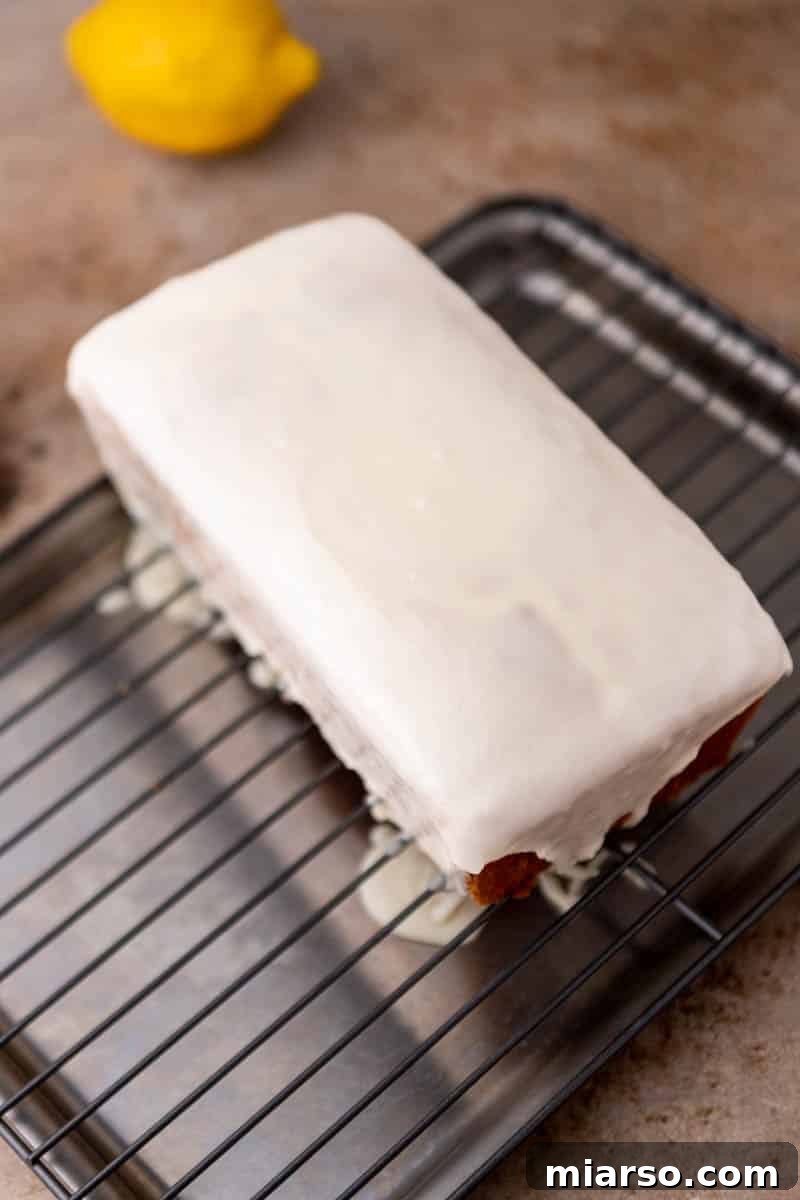
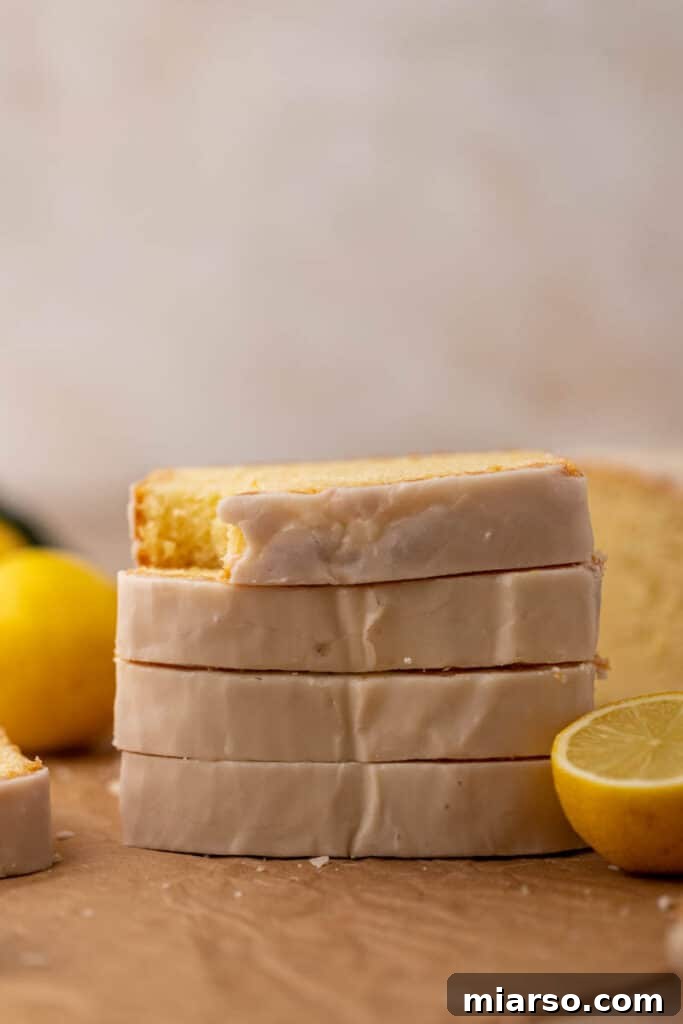
The allure of a truly exceptional lemon dessert is undeniable, especially for those of us who cherish bright, citrusy flavors. This lemon loaf transcends the ordinary, offering a tender and supremely moist crumb that practically melts in your mouth, crowned with a vibrant lemon icing. What sets this glaze apart is its remarkable thickness and stability; it adheres perfectly to the cake, providing a beautiful, glossy finish without dripping or running down the sides, ensuring every slice is adorned with that signature tangy topping.
The secret to achieving this bakery-level perfection lies in a few carefully considered steps. Firstly, allowing the loaf to cool completely before applying the glaze is paramount. This prevents the glaze from melting and becoming too thin. Secondly, a precise combination of lemon juice, milk, and melted butter in the glaze creates that desired shiny, glossy appearance and ensures it sets into a wonderfully thick, sliceable layer. With these key insights and a straightforward process, you’re just moments away from baking a lemon loaf that rivals, if not surpasses, your favorite coffee shop treat. Let’s embark on this delicious baking adventure!
Why You Need to Bake This Starbucks Lemon Loaf Copycat Recipe
Beyond the sheer joy of baking, there are compelling reasons why this particular Starbucks lemon loaf copycat recipe deserves a prime spot in your kitchen repertoire:
- Unmistakably Authentic Flavor: This recipe has been fine-tuned to replicate the exact tangy and sweet flavor profile of the iconic Starbucks lemon loaf. Every bite will transport you back to your favorite coffee shop, but with the added satisfaction of having created it yourself.
- Superior, Non-Runny Glaze: Forget thin, watery glazes. Our recipe delivers a beautifully thick, glossy lemon glaze that sets perfectly, staying intact on top of the loaf. This means more zesty flavor with every slice and a professional, appealing presentation.
- Significantly More Budget-Friendly: Enjoy an entire loaf for a fraction of the cost of buying individual slices at Starbucks. This makes it an economical choice for feeding a crowd, preparing for a special occasion, or simply keeping your pantry stocked with a delightful treat.
- Surprisingly Easy to Master: Despite its impressive results, this recipe requires minimal hands-on time and follows simple, straightforward steps. Even novice bakers can achieve spectacular results, making it a stress-free addition to your baking rotation.
- Effortlessly Customizable for Any Occasion: Whether you need a single loaf for a quiet weekend or multiple loaves for a party, this recipe scales beautifully. Easily double or triple the ingredients to bake as many moist lemon pound cakes as your heart desires, ensuring you’re always prepared.
Is it more economical to bake homemade lemon loaf than to buy it at Starbucks?
Absolutely, baking your own lemon loaf at home is a much more cost-effective option. When you consider the price per slice at Starbucks, creating an entire loaf in your kitchen translates to significant savings. Moreover, you gain the benefit of having a whole, generously sized loaf to enjoy, share, or freeze, offering far more value than a single portion from a coffee shop. It’s a win-win: superior flavor and substantial savings!
Essential Ingredients for Your Perfect Lemon Loaf
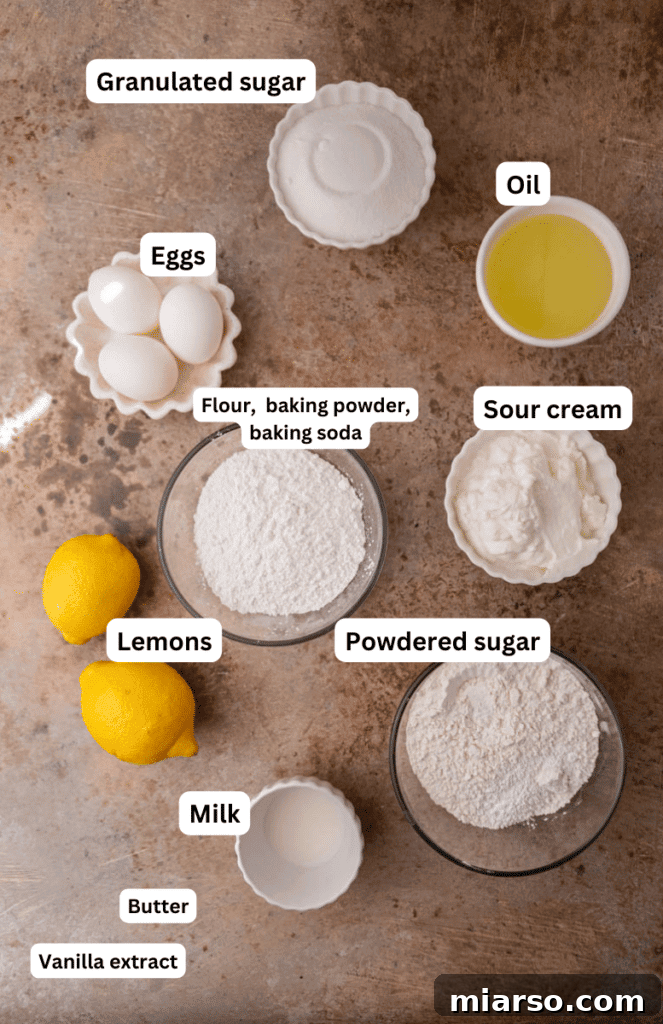
Crafting this exceptional lemon loaf requires a handful of common baking ingredients, each playing a crucial role in achieving its signature taste and texture. Below is an overview of what you’ll need. For the precise measurements and a full detailed list, please scroll down to the comprehensive recipe card.
- Granulated Sugar: Provides the foundational sweetness for the loaf. When combined with lemon zest, it also acts as a flavor infuser.
- Large Eggs: Act as a binder, provide structure, and contribute to the richness and moistness of the cake. Using room temperature eggs ensures better emulsion and a smoother batter.
- Sour Cream or Greek Yogurt: This is a secret weapon for moisture and tender crumb. Its acidity reacts with the leavening agents and also adds a subtle tang that complements the lemon beautifully.
- Neutral Oil: Vegetable oil or sunflower oil adds incredible moisture without impacting the flavor, ensuring a soft, delicate texture that stays moist for days.
- Vanilla Extract: While lemon is the star, a touch of vanilla extract rounds out the flavors, adding warmth and depth to the overall profile.
- Lemon Extract, Fresh Lemon Juice, and Lemon Zest: This powerful trio is key to achieving that intensely bright and authentic lemon flavor. The zest contains aromatic oils, the juice provides tartness, and the extract boosts the overall lemon essence, ensuring no flavor note is missed.
- All-Purpose Flour: The structural backbone of the loaf. Ensure it’s measured correctly (ideally by weight or spooned lightly into a measuring cup) to prevent a dense cake.
- Baking Powder & Baking Soda: These leavening agents work in conjunction to give the loaf its rise and airy texture. Their freshness is vital for a successful bake.
- Powdered Sugar (for the Glaze): Forms the base of our thick, luscious lemon glaze. For the best results and to avoid any chalky aftertaste, opt for a brand that uses tapioca flour or doesn’t add cornstarch as an anti-caking agent (some brands like Trader Joe’s use tapioca flour, which is excellent).
- Milk (for the Glaze): A small amount of milk helps to thin the powdered sugar into a pourable consistency for the glaze, allowing for adjustments to achieve the perfect thickness.
- Melted Butter (for the Glaze): This essential ingredient contributes to the glaze’s signature firm yet smooth texture and glossy finish, mimicking the bakery-style topping and adding a touch of richness.

Step-by-Step Guide to Crafting This Delicious Starbucks Lemon Loaf Copycat
Baking this copycat lemon pound cake is a straightforward process that yields incredibly rewarding results. Follow these detailed steps to achieve a perfectly moist and flavorful loaf with that irresistible lemon glaze. Remember to consult the full recipe card below for precise ingredient quantities and oven temperatures.
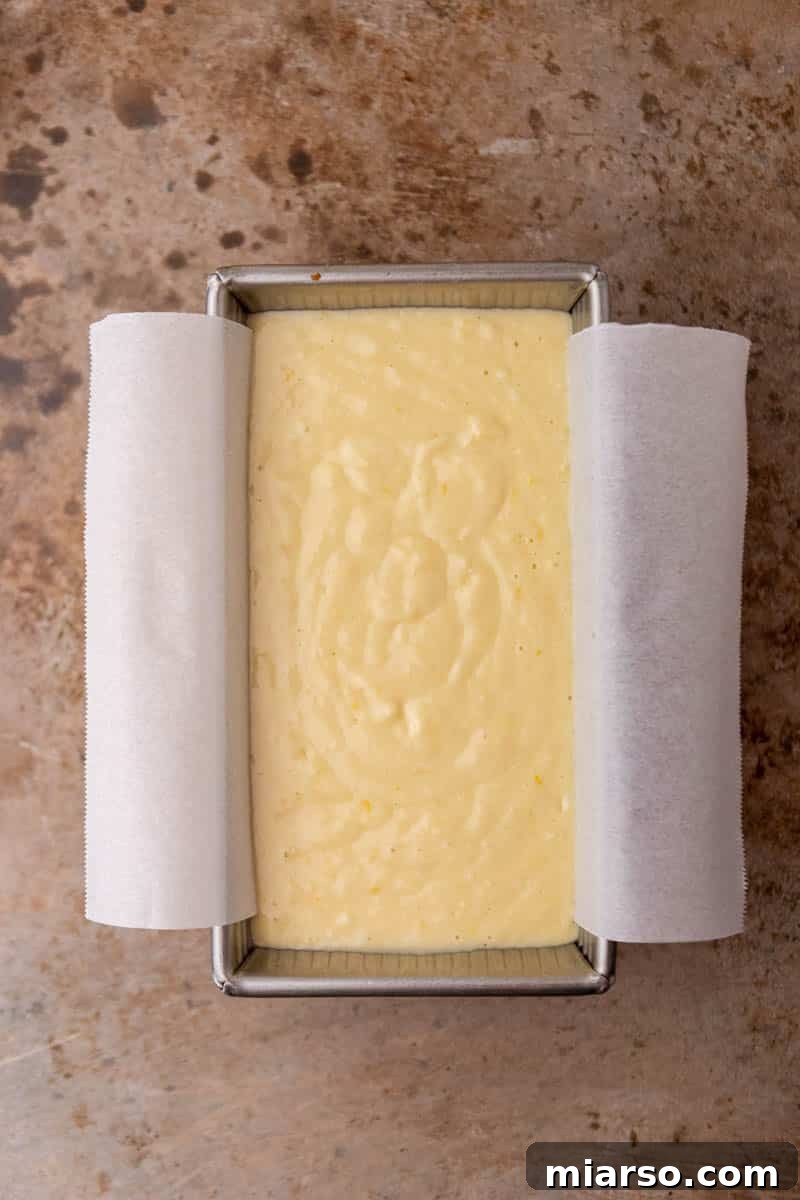
- Prepare Your Pan and Oven: Begin by preheating your oven to 350°F (175°C). Line a 9×5-inch loaf pan with parchment paper, leaving an overhang on the longer sides to easily lift the finished loaf out. Lightly grease the exposed sides of the pan or use baking spray.
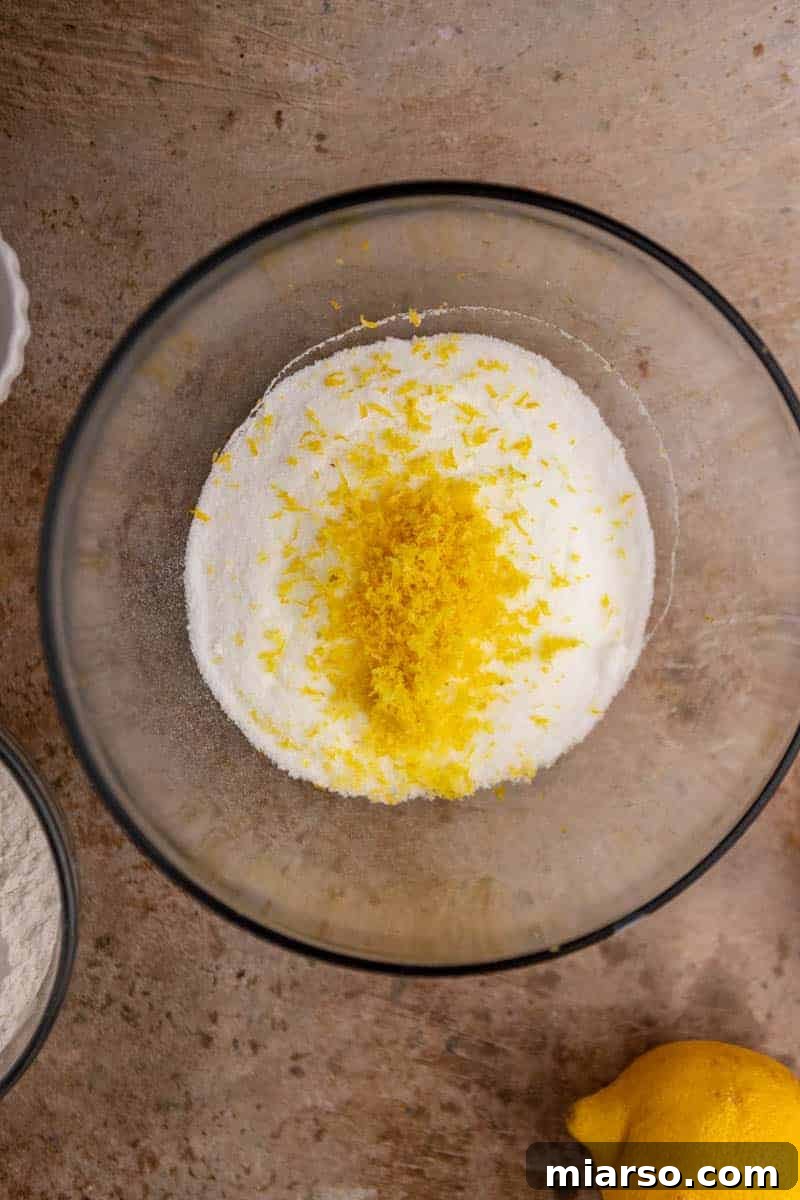
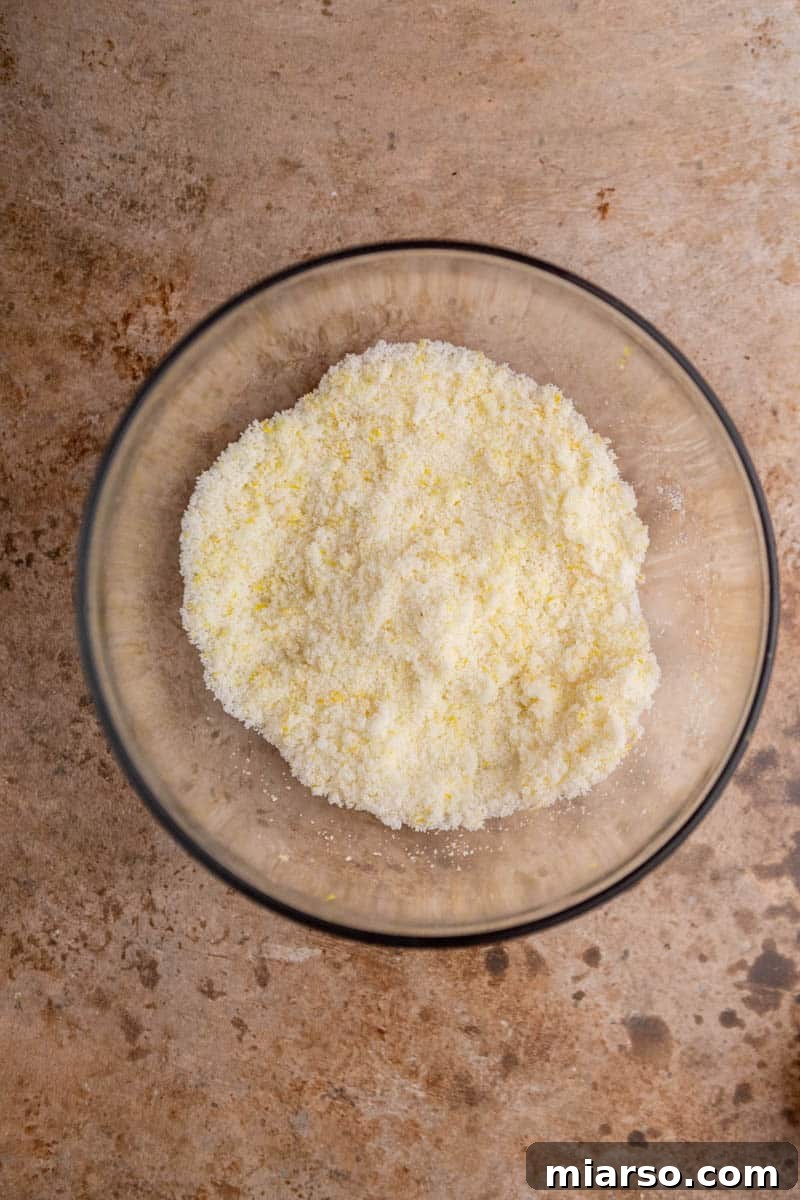
- Infuse the Sugar with Lemon Zest: In a large mixing bowl, combine the granulated sugar and fresh lemon zest. Using your fingertips, vigorously rub the lemon zest into the sugar for a minute or two. This crucial step releases the vibrant aromatic oils from the zest, infusing the sugar with an intense lemon flavor that will permeate the entire cake.
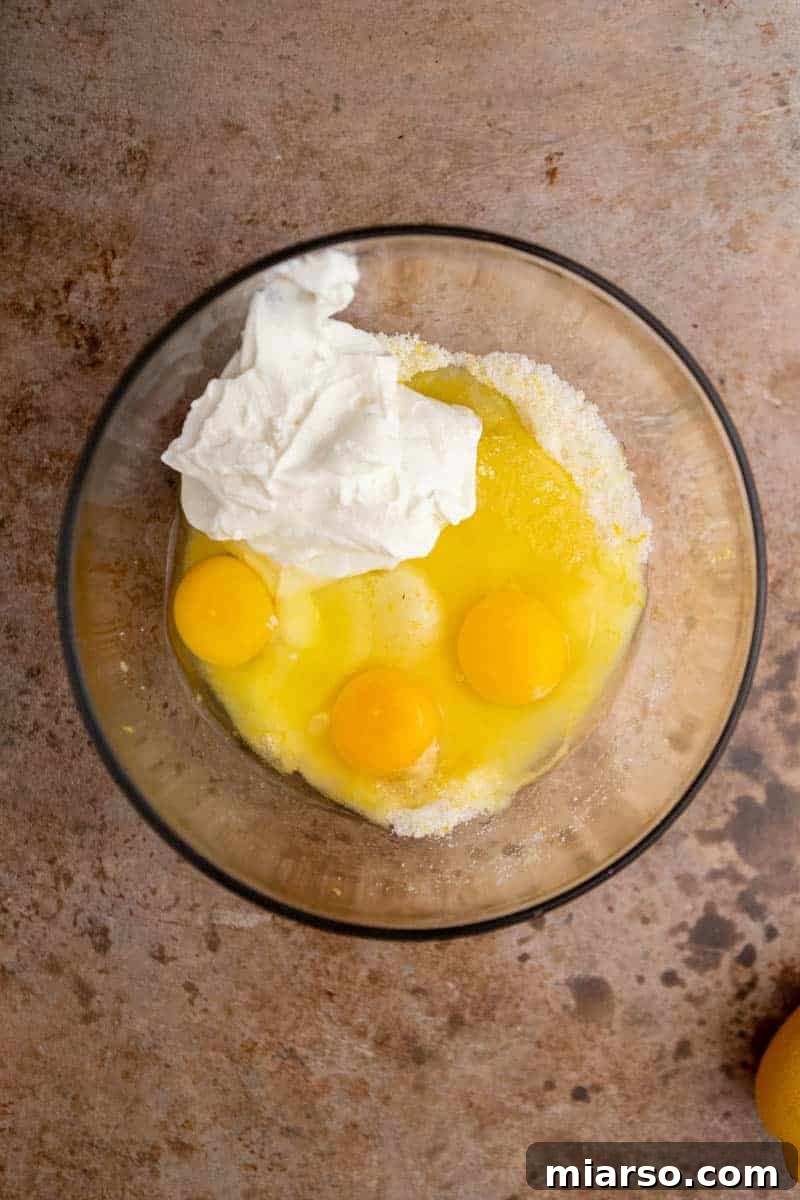
- Combine Wet Ingredients for the Loaf: Add the room temperature eggs and sour cream (or Greek yogurt) to the lemon-sugar mixture. Whisk these ingredients together until they are well combined, light, and fluffy. This aeration helps create a tender crumb.
- Incorporate Liquids: Gently pour in the neutral oil, fresh lemon juice, lemon extract, and vanilla extract. Whisk again until all the liquid ingredients are thoroughly incorporated into the batter, ensuring a homogenous mixture.
- Add Dry Ingredients: Sift together the all-purpose flour, baking soda, and baking powder in a separate bowl. Gradually add the dry ingredients to the wet mixture, mixing only until everything is just combined. Be careful not to overmix the batter, as this can lead to a tough and dense loaf. A few lumps are perfectly acceptable.
- Bake the Loaf: Pour the prepared cake batter evenly into your lined loaf pan. Bake in the preheated oven for approximately 45-50 minutes, or until a wooden skewer or toothpick inserted into the center of the loaf comes out clean. The top should be golden brown and spring back when gently pressed.
- Cool Completely: Once baked, remove the loaf pan from the oven and allow the lemon loaf to cool in the pan on a wire rack for about 10-15 minutes. Then, using the parchment paper overhang, carefully lift the loaf out and transfer it directly to the wire rack to cool down thoroughly and completely before applying the glaze. This step is vital for the glaze to set properly.
Crafting the Perfect Sweet Lemon Glaze:
- Combine Glaze Ingredients: In a medium bowl, whisk together the powdered sugar, fresh lemon juice, milk, and melted butter. Start with the suggested amounts in the recipe card, and then adjust as needed.
- Achieve Desired Consistency: Whisk vigorously until the glaze is completely smooth and free of lumps. The consistency should be thick enough to coat the back of a spoon and pour slowly, yet not so thick that it won’t spread. If it’s too thick, add a few more drops of milk or lemon juice; if too thin, add a teaspoon more powdered sugar until perfect.
- Glaze the Cooled Loaf: Once the lemon loaf is entirely cool, carefully pour the prepared lemon glaze evenly over the top, allowing it to drip slightly down the sides for that characteristic Starbucks look. Let the glaze set for at least 30 minutes at room temperature (or refrigerate for a faster set and firmer crust) before slicing and serving.
The beauty of this recipe lies in its flexibility. You can effortlessly prepare the batter using a stand mixer with a paddle attachment, an electric hand mixer, or even simply a whisk and some elbow grease. Whichever method you choose, the result will be a consistently delicious lemon loaf.
The Secret Role of Butter in Your Lemon Glaze
You might wonder about the inclusion of melted butter in a simple powdered sugar glaze. This small amount of butter plays a surprisingly significant role in achieving that signature Starbucks lemon loaf topping. When the glaze sets, the butter helps it harden slightly, creating a firm yet smooth, almost crackly crust on top of the cake. This characteristic texture is a hallmark of the original. Beyond texture, the butter also imparts a subtle richness to the glaze and contributes to its beautiful, glossy sheen, elevating the overall sensory experience of this delightful treat.



Expert Tips for Baking the Perfect Lemon Loaf
Achieving a truly outstanding lemon loaf that rivals the Starbucks original is within reach with a few expert tips. Incorporating these practices into your baking routine will elevate your homemade lemon loaf from good to absolutely phenomenal:
- Achieve a Bakery-Style Split Center: For that iconic crack or split down the center of your loaf, a characteristic often seen in professionally baked quick breads, there are two simple tricks. Before baking, you can lightly grease a knife and run it down the center of the batter. Alternatively, pipe a thin line of softened butter (using a piping bag or a spoon) down the middle of the batter before placing it in the oven. As the loaf bakes and rises, this weak point encourages it to split neatly along the line, creating a beautiful rustic finish.
- Ensure Room Temperature Ingredients: This tip is crucial for optimal results. Make sure your eggs and sour cream (or Greek yogurt) are at room temperature before you begin mixing. Room temperature ingredients emulsify more effectively, meaning they combine more smoothly and uniformly. This leads to a more cohesive batter, which in turn results in a loaf with a finer, more even crumb and a wonderfully tender texture. Plan ahead and take these ingredients out of the refrigerator at least 30-60 minutes before you start baking.
- Avoid the Pitfall of Overmixing: Once you’ve added the dry ingredients to the wet, mix only until they are just combined. Overmixing develops the gluten in the flour too much, leading to a tough, dense, and chewy loaf rather than the desired light and tender crumb. Use a gentle hand or mix on low speed with an electric mixer, stopping as soon as no pockets of dry flour remain. A few small lumps in the batter are perfectly normal and preferred over an overmixed, smooth batter.
- Don’t Skimp on Lemon Zest: The zest contains all the potent essential oils of the lemon, providing the most concentrated and authentic lemon flavor. Rubbing it into the sugar as instructed not only infuses the sugar but also enhances its aromatic power. Always use fresh lemons for zesting, as bottled zest lacks the same intensity.
- Patience with Cooling: As mentioned, it’s tempting to glaze a warm loaf, but resist! A completely cooled loaf allows the glaze to set properly, forming that desirable thick, stable, and glossy layer that won’t melt or absorb into the cake, preserving its distinct appearance and flavor.
Frequently Asked Questions (FAQ) About Your Homemade Lemon Loaf
Storage & Freezing Instructions
- At Room Temperature: To maintain optimal freshness, store your lemon loaf in an airtight container at room temperature for up to 3 days. This helps keep the crumb moist and the glaze intact.
- Refrigerator: If you live in a warmer climate or prefer a firmer glaze, storing the loaf in the fridge is an excellent option. Place it in an airtight container and it will stay fresh for up to 1 week. Allow it to come to room temperature briefly before serving for the best texture.
- Freezer: This lemon loaf freezes beautifully! For longer storage, slice the cooled loaf, then wrap each individual slice tightly in plastic wrap. Place the wrapped slices in an airtight freezer-safe container or a heavy-duty freezer bag. It can be stored for up to 3 months. To enjoy, thaw individual slices overnight in the refrigerator or for a few hours on the countertop until soft.
Can I use other types of oil in this recipe?
Yes, absolutely! This recipe is quite versatile when it comes to oil. You can confidently use common neutral-flavored oils such as coconut oil (melted), vegetable oil, or sunflower oil. These oils will contribute moisture without imparting a strong flavor. While you could technically use olive oil, be aware that extra virgin olive oil has a distinct flavor profile that might subtly alter the taste of your lemon loaf, giving it a slightly different, perhaps more savory, nuance than the classic Starbucks version. For the most authentic copycat flavor, a neutral oil is recommended.
What should I do if my icing is too runny?
If your lemon glaze appears too runny after mixing, the solution is simple: gradually add more powdered sugar, one tablespoon at a time, whisking well after each addition. Continue until you achieve your desired thick, pourable, and opaque consistency. Be patient and add small amounts to avoid making it too thick too quickly.
Can I double or triple this recipe?
Yes, this recipe is easily scalable! If you need to bake for a larger gathering or simply want more delicious lemon loaf on hand, you can absolutely double or triple the ingredients. When doing so, it’s recommended to bake the batter in separate loaf pans rather than attempting to fit a larger quantity into one pan. This ensures even cooking and consistent results, preventing the center from being underbaked while the edges become too dark.
Can I make this with a stand mixer or by hand?
Indeed! This recipe is wonderfully adaptable to your kitchen tools. You can effortlessly prepare the batter using a stand mixer equipped with a paddle attachment, an electric hand mixer for convenience, or even simply a sturdy whisk and a bit of elbow grease. The key is to ensure all ingredients are well combined and, importantly, to avoid overmixing once the dry ingredients are incorporated.
Why is my loaf dense instead of fluffy?
A dense loaf, rather than a light and fluffy one, can usually be attributed to a couple of common baking errors. The most frequent culprit is overmixing the batter once the flour has been added. Overmixing develops the gluten in the flour too much, resulting in a tough, dense texture. Another possibility is using expired or inactive baking powder or baking soda. These leavening agents lose their potency over time, failing to provide the necessary rise. Always check the freshness of your leavening agents and mix the batter just until combined.
Is the glaze optional, or can I omit it?
While you certainly can omit the glaze if you prefer a less sweet loaf or are looking to reduce sugar content, it’s important to note that the tangy lemon glaze is a quintessential element of the Starbucks lemon loaf experience. It provides a crucial burst of bright lemon flavor and contributes significantly to the visual appeal and the overall moist, decadent texture. If you decide to skip it, the loaf will still be delicious but will have a different character. Alternatively, you could reduce the amount of glaze or use a simpler dusting of powdered sugar for a less intense topping.

The Ultimate Copycat Starbucks Lemon Loaf Recipe

How to Make Starbucks Lemon Loaf Cake
This easy and delicious Starbucks lemon loaf cake is one of the best copycat recipes you’ll ever have. Experience bakery-quality lemon pound cake with a perfect tangy glaze right at home!
Prep time: 20 mins
Cook time: 45 mins
Total time: 1 hr 5 mins
Servings: 12 servings
Ingredients
- 1 & 3/4 cup all-purpose flour
- 1 & 1/2 tsp baking powder
- 1/4 tsp baking soda
- 1/4 tsp salt
- 3 large eggs (room temperature)
- 1 cup granulated sugar
- 3/4 cup sour cream (or Greek yogurt, room temperature)
- 1/2 cup neutral oil (vegetable, sunflower, or melted coconut oil)
- Zest of two fresh lemons
- 3 tbsp fresh lemon juice
- 1 tbsp lemon extract
- 1/2 tsp vanilla extract
Lemon Glaze
- 1 & 1/4 cup powdered sugar
- 2 tbsp fresh lemon juice
- 1/2 tbsp milk (any kind)
- 1/2 tbsp unsalted butter, melted
Instructions
- Preheat your oven to 350°F (175°C). Line a 9×5 inch loaf pan with parchment paper, allowing some overhang on the longer sides for easy removal, and set aside.
- In a large bowl, combine the granulated sugar and lemon zest. Use your fingers to rub the zest into the sugar for about 1-2 minutes. This releases the lemon oils and intensifies the flavor.
- Add the room temperature eggs and sour cream (or Greek yogurt) to the lemon-infused sugar mixture. Whisk until the mixture is light, fluffy, and well combined.
- Pour in the neutral oil, fresh lemon juice, lemon extract, and vanilla extract. Whisk again until all the liquid ingredients are thoroughly incorporated.
- In a separate medium bowl, whisk together the all-purpose flour, baking powder, baking soda, and salt. Gradually add these dry ingredients to the wet mixture, mixing only until just combined. Be careful not to overmix; a few small lumps are fine.
- Pour the batter into your prepared loaf pan and spread it evenly. Bake for 45-50 minutes, or until a wooden skewer or toothpick inserted into the center comes out clean.
- Allow the lemon loaf to cool in the pan on a wire rack for 10-15 minutes. Then, use the parchment paper overhang to lift the loaf out and transfer it directly to the wire rack to cool completely before glazing.
Make the Lemon Glaze
- In a medium bowl, combine the powdered sugar, lemon juice, milk, and melted butter.
- Whisk vigorously until the glaze is smooth, thick, and pourable. Adjust consistency by adding a few more drops of milk/lemon juice if too thick, or a tiny bit more powdered sugar if too thin.
- Once the loaf is completely cool, pour the prepared glaze evenly over the top, letting it cascade down the sides. Allow the glaze to set for at least 30 minutes before slicing and enjoying this delectable homemade treat!
Notes
- Glaze Thickness: To thicken the glaze, add more powdered sugar, 1 tablespoon at a time, until the desired consistency is reached. To thin the glaze, add a few drops of milk or lemon juice at a time, stirring well between additions.
- Firmer Glaze: For a glaze that sets with a slightly stronger, crust-like top, use slightly less milk than specified and consider refrigerating the loaf after glazing to help it set firm.
Nutrition (per serving)
Calories: 313 Calories | Carbohydrates: 47g | Protein: 4g | Fat: 13g | Saturated Fat: 2g | Polyunsaturated Fat: 3g | Monounsaturated Fat: 7g | Trans Fat: 0.1g | Cholesterol: 47mg | Sodium: 157mg | Potassium: 74mg | Fiber: 1g | Sugar: 32g | Vitamin A: 123IU | Vitamin C: 3mg | Calcium: 60mg | Iron: 1mg
Nutrition information is automatically calculated, so should only be used as an approximation.
Loved This Starbucks Lemon Loaf Copycat? Don’t Forget to Pin It!
If you’ve savored every tender, tangy bite of this homemade Starbucks lemon loaf, make sure to save this recipe for future baking adventures! Pinning it to your favorite Pinterest board ensures you can easily revisit this delightful treat whenever a craving strikes. Share the lemon love!