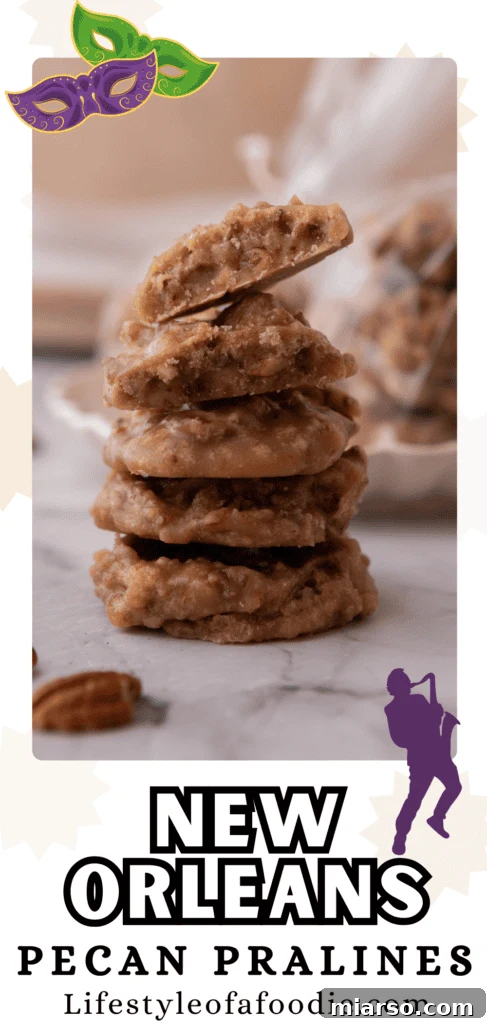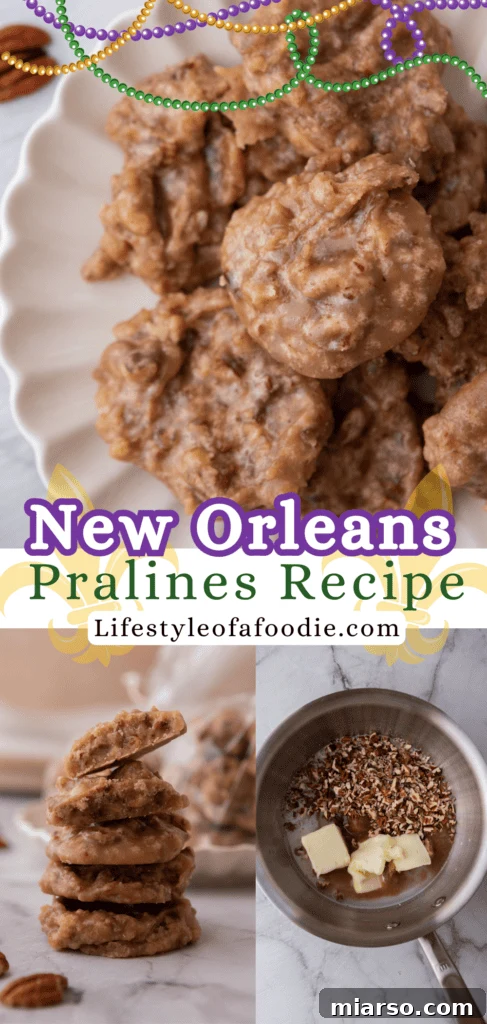
This comprehensive New Orleans Pralines recipe guides you to create the most authentic Southern Pecan Pralines you’ve ever tasted. Inspired by a professional New Orleans chef with deep Creole heritage, this recipe delivers an irresistible, gooey texture and rich flavor that truly embodies the spirit of Louisiana. Dive in and discover why these homemade pecan pralines are legendary!
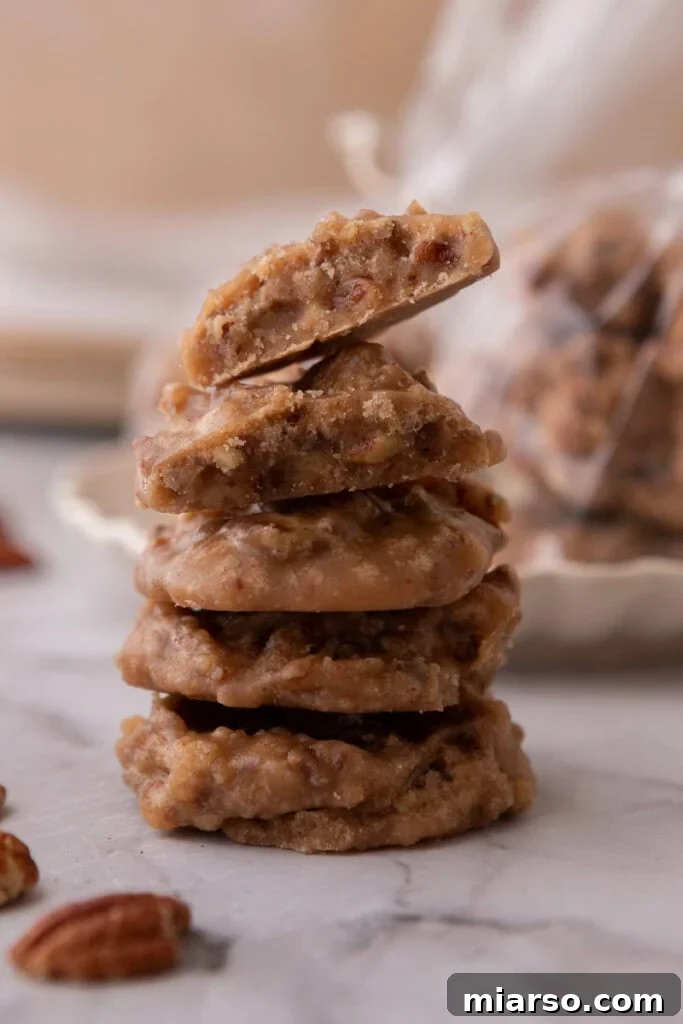
Authentic New Orleans Pecan Pralines: A Taste of Southern Charm
New Orleans Pecan Pralines are celebrated worldwide for their unique blend of flavor and texture, a true emblem of Southern culinary artistry. Originating in the heart of the Bayou over three centuries ago, these iconic confections hold a special place in American dessert history. If your perception of “pralines” is limited to the hard, crunchy nuts coated in crystallized sugar often seen in candy shops, prepare to have your taste buds wonderfully surprised by the authentic New Orleans variety.
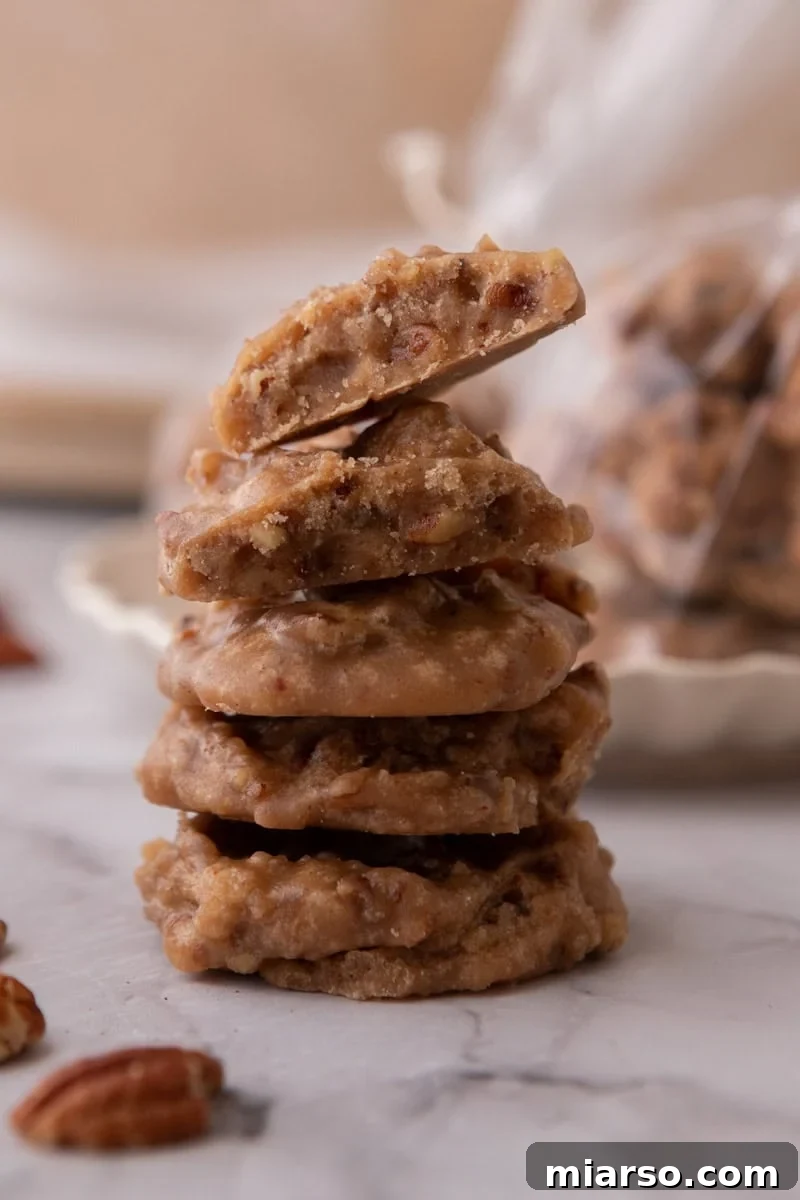
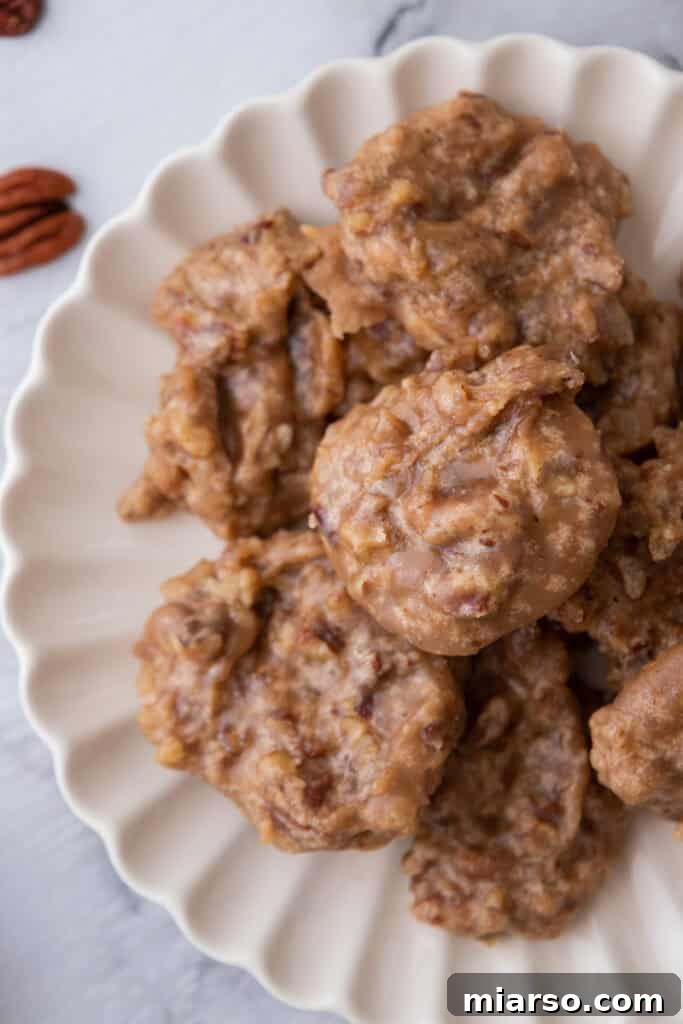
The true, original praline mixture is a revelation: a delightfully gooey, creamy concoction, lovingly spooned from a simmering pot onto a sheet pan, where it cools into a distinctive patty resembling a soft cookie. This irresistible quality has propelled pecan pralines far beyond simple candy; they have become a beloved dessert topping and a source of inspiration for flavors found in luxurious ice creams, decadent cheesecakes, and comforting sweet breads. Such is their esteemed status that many in the South would genuinely prefer receiving a batch of these homemade treats as a cherished holiday gift over conventional Christmas presents.
What Makes New Orleans Pralines So Special?
The magic of New Orleans pralines lies in their distinctive texture and rich, complex flavor. Unlike their European counterparts, which are typically hard, caramelized sugar-coated nuts, Southern pralines are characterized by a soft, creamy, melt-in-your-mouth consistency, packed with buttery pecans. This unique characteristic is achieved through a precise cooking and stirring process that encourages the formation of tiny sugar crystals, preventing a brittle candy and instead creating a tender, fudgy confection.
Each bite offers a harmonious blend of sweet, caramelized sugar, rich butter, and the earthy, slightly salty crunch of pecans. It’s a sensory experience that speaks of warmth, tradition, and the vibrant culinary spirit of Louisiana. This particular recipe, hailing from a professional New Orleans chef with deep Creole heritage, promises to deliver that authentic, unparalleled experience right to your kitchen, ensuring your homemade pralines will be nothing short of extraordinary.
A Culinary Journey: The History of Pralines from France to Louisiana
The story of the praline begins in 17th-century France, where it was originally conceived as a confection of whole almonds coated in caramelized sugar, supposedly for Marshal du Plessis-Praslin. These early French pralines were hard and elegant, a treat for the nobility.
When French colonists ventured to the New World and settled in Louisiana, they brought their cherished culinary traditions with them. The praline, however, underwent a remarkable transformation. The vast pecan groves of the American South provided an abundant substitute for almonds. More significantly, it was African-American cooks, many working in plantation kitchens, who adapted the European concept. They introduced cream or milk to the sugar mixture, evolving the hard French confection into the softer, richer, and distinctly American praline we adore today. This culinary adaptation, blending French technique with readily available local ingredients and Creole ingenuity, cemented the pecan praline as an integral part of New Orleans’ vibrant gastronomic identity. For centuries, it has remained a symbol of Southern hospitality and a testament to the region’s unique cultural fusion.
Why You Need to Master This Praline Recipe
Beyond the sheer delight of tasting these heavenly sweets, there are several compelling reasons why this particular Southern pecan praline recipe is a must-try for any home cook:
- Effortless Elegance for the Holidays: Homemade pralines elevate any holiday gathering. They are perfect for adding a touch of sophisticated Southern charm to your cookie platters or as a standout contribution to a festive cookie exchange.
- Simple Ingredients, Exceptional Flavor: You don’t need obscure ingredients to create this gourmet candy. With just a handful of basic pantry staples, you can achieve an extraordinary depth of flavor that rivals professional confectioners.
- An Authentic Taste of New Orleans: This recipe captures the genuine essence of Creole cuisine. Each bite is an edible journey, transporting you and your family directly to the bustling streets and soulful kitchens of New Orleans.
- Easily Customizable: While pecans are the traditional choice, this recipe is wonderfully versatile. Feel free to experiment with other nuts, like walnuts or almonds, to create a personalized praline experience tailored to your preference.
- A Rewarding Culinary Experience: The process of making pralines, from the careful heating to the critical stirring phase, is an engaging and deeply satisfying culinary adventure. The reward of creating such a delicious confection from scratch is immense.
- Perfect for Gifting: Beautifully packaged homemade pralines make thoughtful and impressive gifts for friends, family, or colleagues during any season. They speak volumes of care and culinary skill.
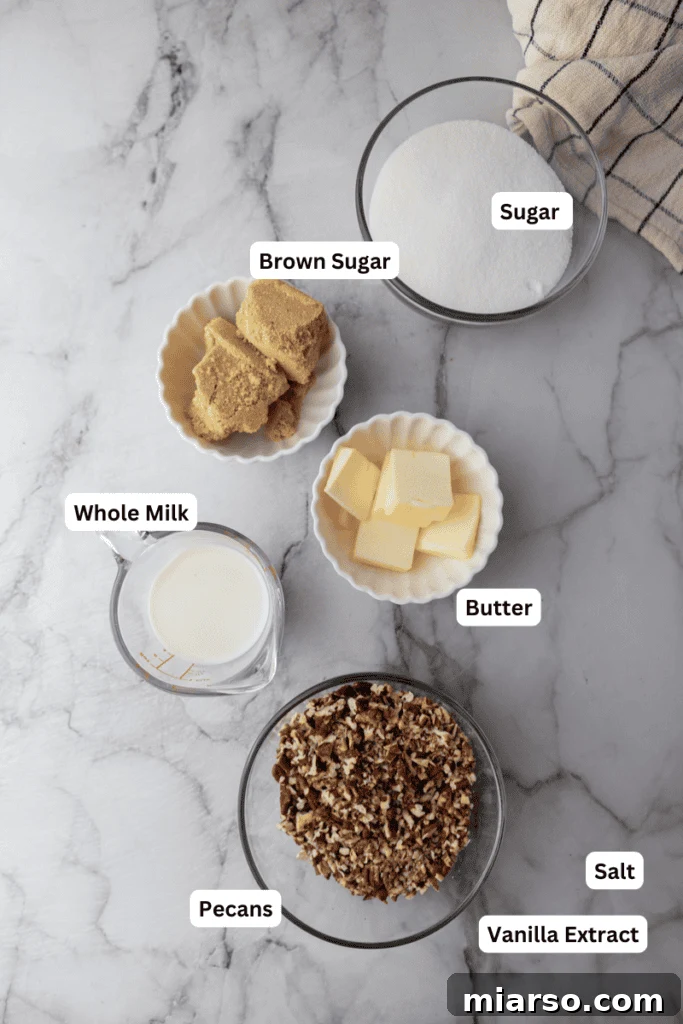
Essential Ingredients for Your Southern Pralines
Creating perfect New Orleans pralines begins with understanding the role of each ingredient. This simple list combines to form a complex, delightful flavor and texture:
- Granulated White Sugar: This is the primary sweetener and structure builder for your candy. It caramelizes beautifully, contributing to the praline’s signature color and flavor.
- Light Brown Sugar: Adding light brown sugar introduces a depth of flavor with its hints of molasses. It also helps achieve the desired creamy texture and contributes to a richer caramel note, making the pralines more complex than if only white sugar were used.
- Whole Milk: Crucial for the creamy, syrupy base, whole milk ensures a smooth consistency and prevents the sugar from crystallizing too quickly, which can lead to a grainy texture.
- Unsalted Butter: Butter is indispensable for flavor, richness, and mouthfeel. It helps emulsify the sugars and liquids, adding a velvety smoothness and preventing the pralines from becoming brittle. Using unsalted butter gives you control over the final salt content.
- Pecans: The heart of this Southern delicacy! Opt for fresh, high-quality pecan halves or pieces. Their natural buttery flavor and tender texture are ideal for absorbing the sweet caramel mixture. For an enhanced flavor, consider lightly toasting them before starting your recipe.
- Vanilla Extract: A splash of pure vanilla extract brightens and rounds out all the other flavors, infusing the pralines with a comforting, aromatic warmth characteristic of classic homemade candies.
- Salt: A small but mighty ingredient! A tiny pinch of salt is vital for balancing the sweetness, preventing the pralines from being overly cloying, and subtly enhancing the rich caramel and nutty pecan flavors.
Key Equipment for Praline Perfection
- Heavy-Bottomed Saucepan: A sturdy, heavy-bottomed pan is crucial for even heat distribution, which prevents the sugar mixture from scorching and ensures consistent cooking.
- Candy Thermometer: Absolutely essential for success! Achieving the precise “softball stage” (235-240 degrees F or 113-116 degrees C) is the most critical step for the praline’s final texture. Without accurate temperature monitoring, your pralines may end up too hard, too soft, or grainy.
- Wooden Spoon or Heat-Resistant Spatula: You’ll need a durable utensil for constant stirring, particularly during the critical cooling phase, to prevent sugar crystallization.
- Baking Sheet Lined with Greased Parchment Paper or Wax Paper: This provides a non-stick surface, essential for easily removing your delicate pralines once they have cooled and set. Greasing the paper ensures they lift off cleanly.
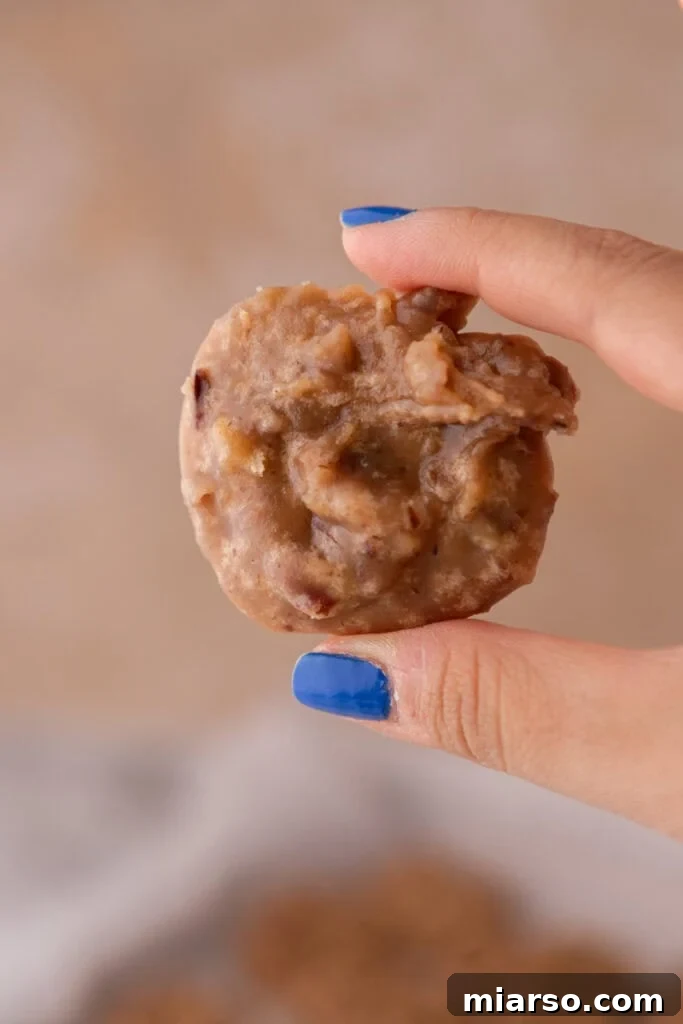
How to Craft This Authentic New Orleans Pralines Recipe
Making these perfect pralines is a truly rewarding experience. With careful attention to detail and precise timing, you’ll achieve that coveted creamy, gooey texture. Follow these detailed instructions for a successful batch every time:
- Prepare Your Workspace: Start by preparing your cooling surface. Line a large baking sheet pan with either greased parchment paper or wax paper. If you opt for wax paper, it’s advisable to place a layer of newspaper or a thick tea towel underneath to insulate your countertop from the hot wax, preventing any potential damage or sticking.
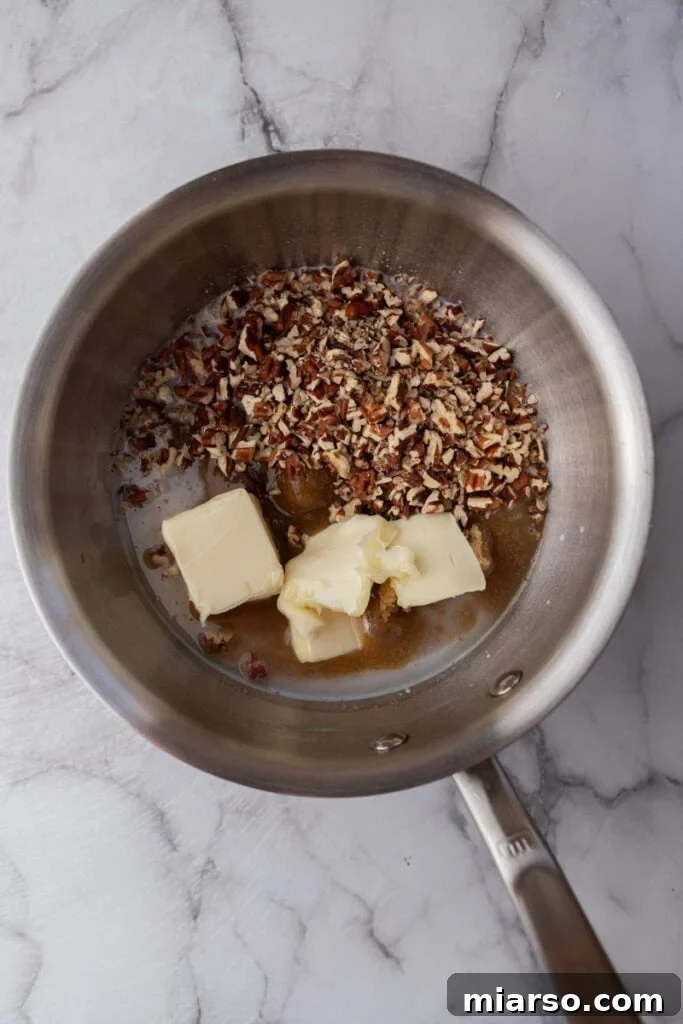
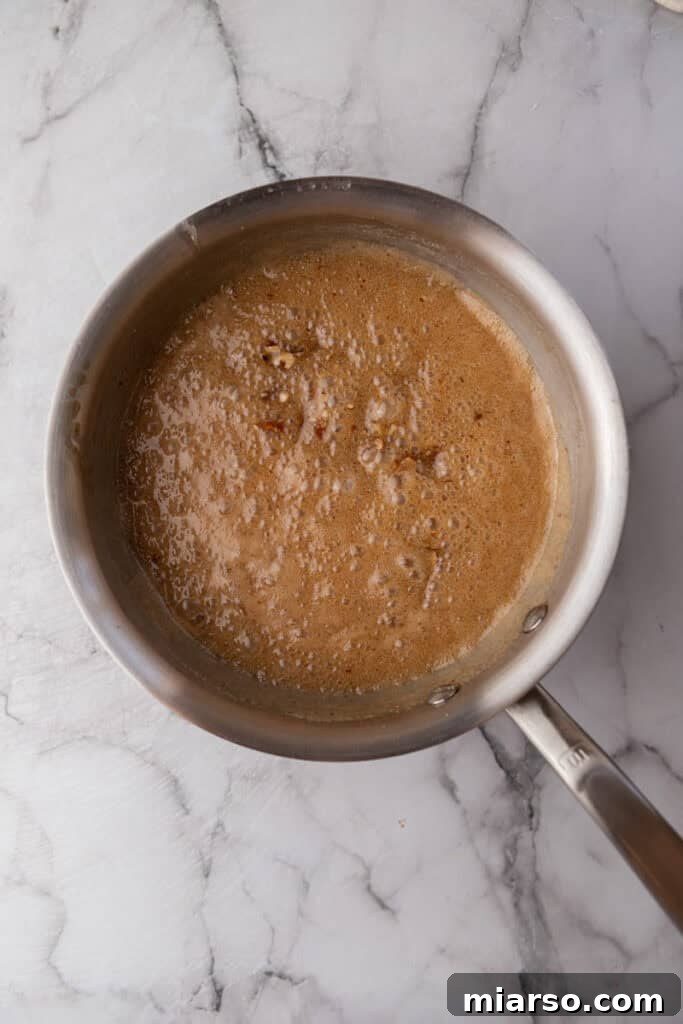
- Combine Ingredients in the Saucepan: In a medium to large heavy-bottomed saucepan, combine the granulated white sugar, light brown sugar, whole milk, unsalted butter, pecans, vanilla extract, and salt. Place the saucepan over medium heat. Stir continuously with a sturdy wooden spoon or heat-resistant spatula until all the granulated and brown sugars are completely dissolved, and the butter has fully melted into the mixture. This initial stirring is vital to ensure no sugar crystals remain undissolved, which could lead to grainy pralines later.
- Boil to Softball Stage: Once the sugars are dissolved and the mixture begins to heat, insert your candy thermometer. Bring the mixture to a rolling boil. Continue to cook without stirring at this stage (to prevent premature crystallization) until your candy thermometer reads between 235-240 degrees F (113-116 degrees C). This is known as the “softball stage” in candy making. It is critically important not to exceed this temperature range; if the mixture cooks too long or gets too hot, your pralines will become hard and brittle instead of soft and creamy.
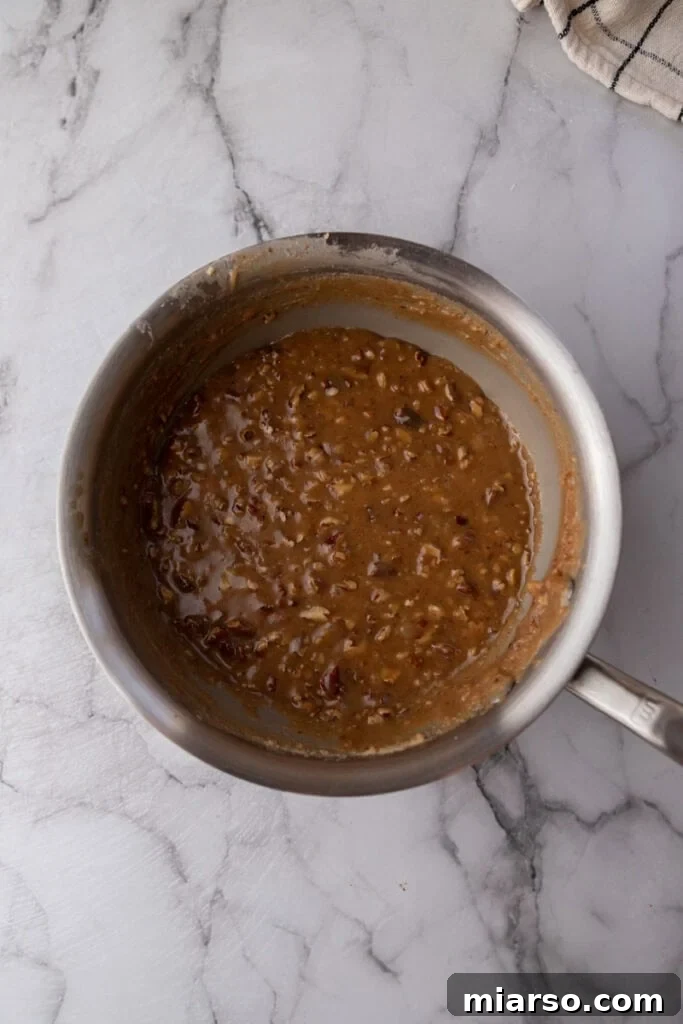
- Cool and Stir for Creaminess: Immediately remove the saucepan from the heat once the desired temperature is reached. Now begins the most crucial step for achieving the praline’s signature creamy texture: constant, vigorous stirring. Stir the mixture continuously and firmly, making sure to scrape the bottom and sides of the pan. This stirring action cools the mixture and helps to incorporate tiny sugar crystals evenly, which is what prevents a grainy texture and promotes a smooth, luscious consistency.
- Observe the Transformation: Continue stirring for approximately 3 to 5 minutes. During this time, you will notice the mixture thickening significantly, becoming opaque, and transitioning from a glossy syrup to a creamy, cloudy liquid. A key indicator that it’s ready is when you can draw your wooden spoon down the middle of the mixture, and it takes a full second or two for the liquid to flow back together and fill the gap. At this stage, the pecans should remain suspended evenly throughout the thick, saucy mixture, rather than sinking to the bottom. Be mindful not to over-cool or over-stir, as this can cause the pralines to become grainy or set too quickly in the pot. The mixture should still be soft and extra creamy when you start scooping.
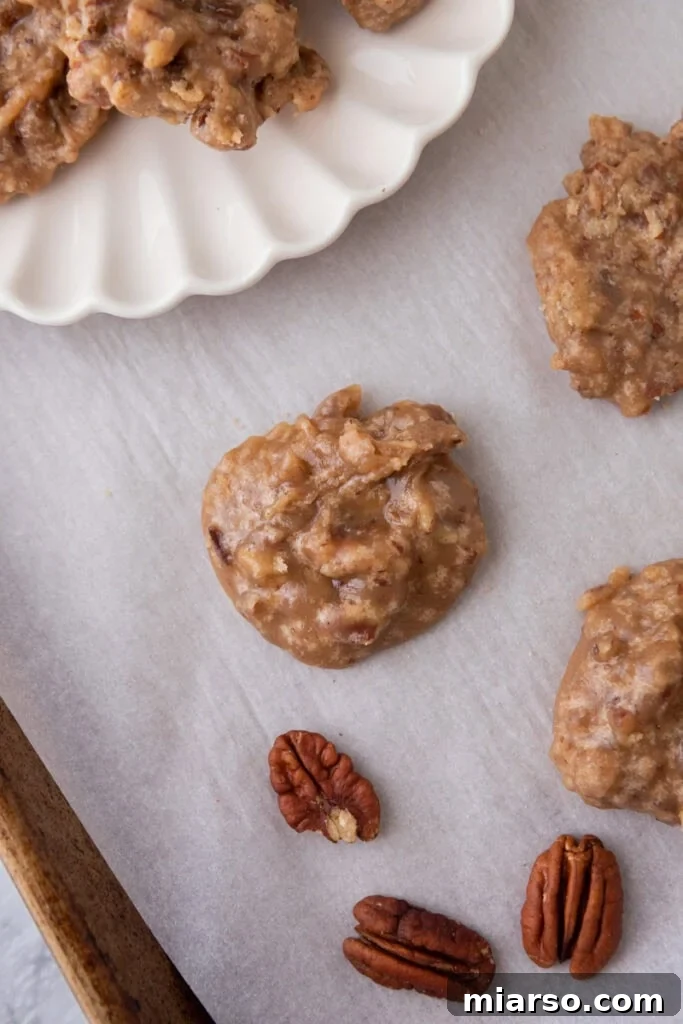
- Form the Pralines: Working quickly—as the mixture will continue to set as it cools—use a spoon to scoop individual portions (each roughly 1 to 2 tablespoons) of the praline mixture onto your prepared baking sheet. Leave an inch or two of space between each praline to allow them to set independently.
- Allow to Set and Enjoy: Let the scooped pralines cool completely at room temperature. This can take anywhere from 30 minutes to an hour, depending on the size of your pralines and the ambient temperature of your kitchen. Exercise patience and resist the temptation to sample them while still hot, as melted sugar can cause severe burns. Once fully cooled, they will firm up into their characteristic patty shape, ready for you to savor this authentic Southern treat!
Frequently Asked Questions About New Orleans Pralines
What does “soft-ball stage” actually mean in candy making?
The “soft-ball stage” is a critical temperature indicator in candy making, not a sports reference! It describes the consistency of a sugar syrup cooked to a specific temperature range, typically between 235-240 degrees F (113-116 degrees C). To test this, you’d drop a small amount of the hot syrup into very cold water. If it forms a soft, pliable ball that holds its shape but can be easily flattened between your fingers, you’ve reached the soft-ball stage. This temperature ensures your pralines will be soft, creamy, and gooey, rather than hard or brittle. Accurately using a candy thermometer is indispensable for consistent results, as even a few degrees difference can drastically alter the final texture of your pralines.
What Other Flavors Can I add to this New Orleans Pralines Recipe?
While the classic pecan praline is perfect on its own, it’s also a fantastic canvas for creative flavor variations:
- Roasted Pecan Pralines: For an even deeper, more intense nutty flavor, roast your pecans before incorporating them into the praline mixture. Simply spread them in a single layer on a baking sheet and bake at 275 degrees F (135 degrees C) for 20-25 minutes, until they are lightly browned and aromatic. Allow them to cool slightly before use.
- Chocolate Pralines: A truly decadent indulgence! Once your pralines have cooled and fully set on the baking sheet, melt your favorite type of chocolate (dark, milk, or white). Drizzle or spread the melted chocolate generously over the tops of the pralines and allow it to solidify completely before serving.
- Cinnamon-Spiced Pralines: Particularly delightful during the cooler months or holiday season, add a festive touch by mixing ground cinnamon and a pinch of nutmeg into the sugar mixture along with the other dry ingredients. A quarter teaspoon of each typically adds a lovely warmth.
- Coffee Pralines: Infuse your pralines with a sophisticated coffee flavor by stirring in 1 to 2 teaspoons of instant espresso powder or very strong brewed coffee (adjusting the milk quantity slightly if using liquid coffee) into the mixture. This adds a wonderful depth and bittersweet balance.
- Bourbon Pralines: For an adult-oriented twist, add 1 to 2 tablespoons of good quality bourbon to the mixture immediately after removing it from the heat, just before the intense stirring phase. The alcohol will cook off, leaving behind a subtle yet distinctive bourbon essence.
In What ways can I Use this recipe beyond a simple candy?
These New Orleans pralines are incredibly versatile! Beyond enjoying them as a standalone treat, they can elevate a wide array of desserts:
- Praline Cookies: Chop cooled pralines into small pieces and fold them into your favorite cookie dough recipe (like a classic chocolate chip or sugar cookie) before baking. They add delightful pockets of chewy, nutty sweetness.
- Gourmet Ice Cream Topping: Crush the cooled pralines into coarse crumbs and sprinkle them generously over scoops of vanilla, butter pecan, or coffee ice cream. The contrast of cold ice cream with crunchy-chewy praline is heavenly.
- Cake and Muffin Enhancement: Incorporate chopped pralines into the batter for cakes, cupcakes, or muffins. They introduce wonderful texture and bursts of sweet, nutty flavor, perfect for a praline-spiced apple muffin or a rich coffee cake.
- Cheesecake Swirl: For an extra layer of decadence, gently swirl softened praline mixture or finely crushed pralines into your cheesecake batter before baking.
- Praline Pecan Pie: Take your traditional pecan pie to the next level by folding crushed pralines into the pecan pie filling for an added layer of flavor and texture.
- Elegant Dessert Boards: Arrange whole pralines on a sophisticated dessert board alongside an assortment of cheeses, fresh fruits, and other sweet delights for an impressive presentation.
How to Store Your Homemade New Orleans Pralines
One of the many benefits of making these delicious pralines is their excellent shelf life. Once completely cooled and firm, they can be stored at room temperature for up to one week. The key to maintaining their freshness and preventing them from drying out or becoming sticky is an airtight container or a heavy-duty ziplock bag. For best results, layer the pralines between sheets of parchment paper within the container to prevent them from sticking to one another.
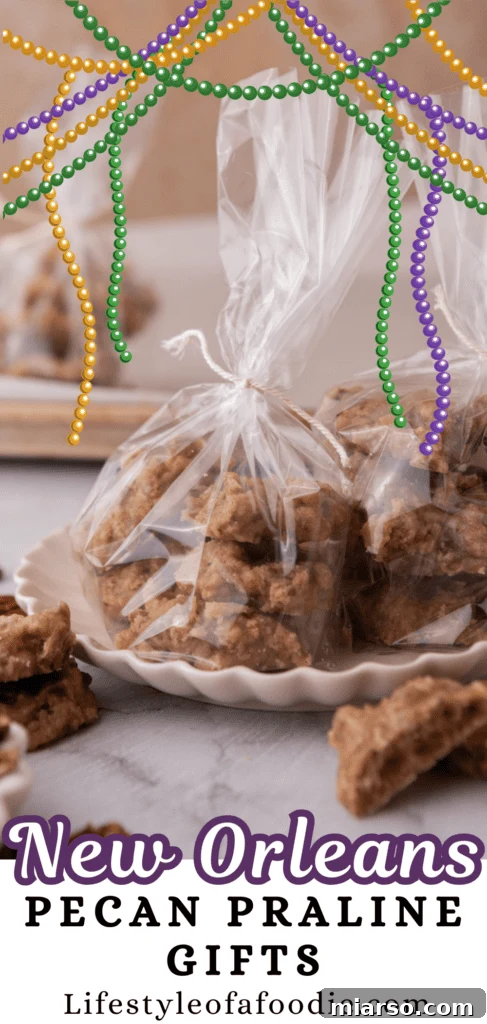
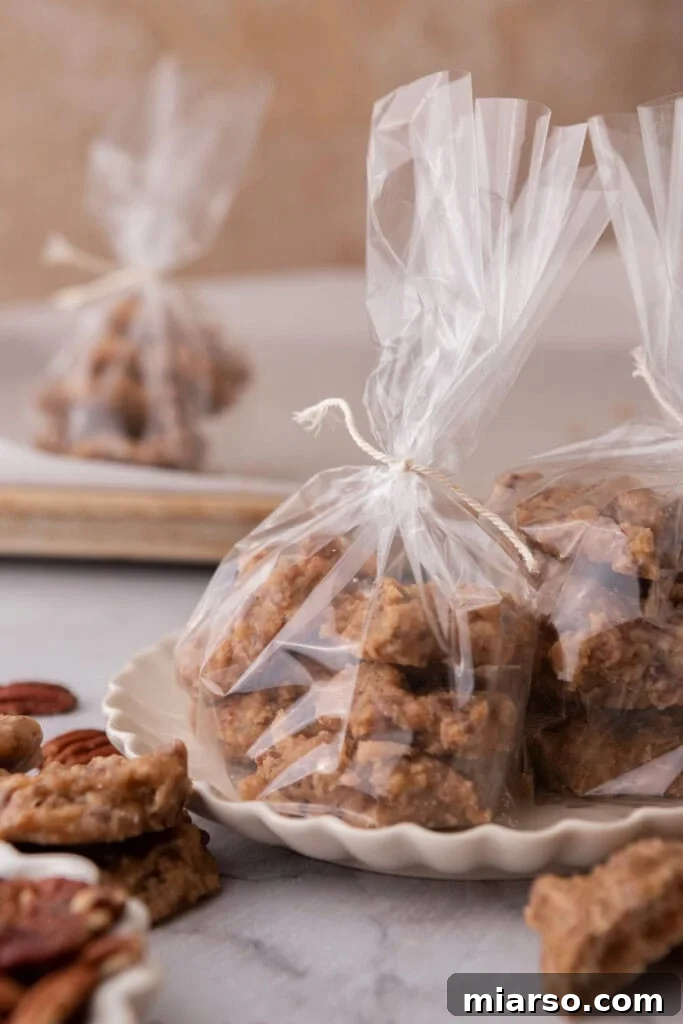
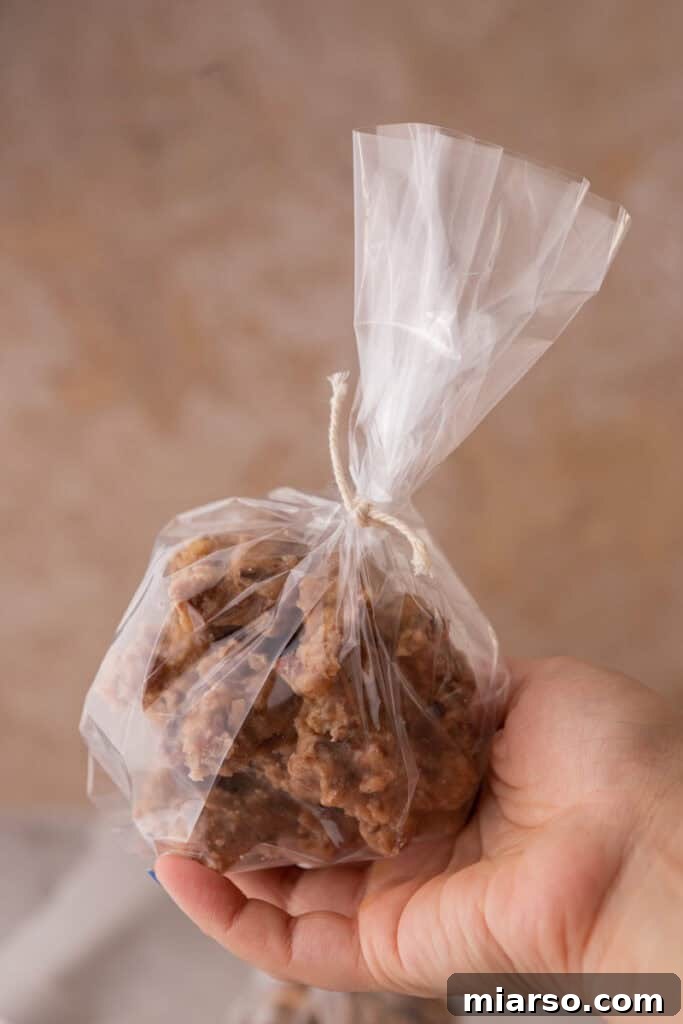
If you plan to use them as gifts, consider individually wrapping each praline in small squares of plastic wrap or clear cellophane. Then, arrange these beautifully wrapped candies in an attractive gift box or a decorative bag, tied with a lovely ribbon or bow. This thoughtful presentation turns your homemade pralines into a truly charming and much-appreciated present.
The Best Authentic New Orleans Pecan Pralines Recipe
New Orleans Pecan Pralines Recipe
Print Recipe
Equipment
Ingredients
- 1 & 1/2 cup Granulated Sugar
- 3/4 cup Light Brown Sugar, packed
- 1/2 cup Whole Milk
- 6 tbsp Unsalted Butter
- 1 & 1/2 cup Pecans (raw or lightly roasted for deeper flavor)
- 1 teaspoon Pure Vanilla Extract
- 1/4 teaspoon Salt
Instructions
-
Line a large baking sheet with greased parchment paper or wax paper. Set aside.
-
In a heavy-bottomed saucepan, combine granulated sugar, light brown sugar, whole milk, unsalted butter, pecans, vanilla extract, and salt. Stir continuously over medium heat until sugars dissolve and butter melts.
-
Insert a candy thermometer. Bring the mixture to a rolling boil and cook, without stirring, until the thermometer reaches 235-240 degrees F (soft-ball stage). Do not exceed this temperature.
-
Immediately remove the saucepan from the heat. Stir constantly and vigorously for 3-5 minutes, or until the mixture becomes creamy, opaque, and thick enough that when you scrape a spoon through, it takes a second or two to close back up. Pecans should remain suspended. Be careful not to over-stir.
-
Working quickly, use a spoon to scoop individual portions (about 1-2 tablespoons) onto the prepared baking sheet, spacing them apart.
-
Allow the pralines to cool completely to room temperature until fully set. Avoid eating while hot, as melted sugar can cause burns.
Notes
Nutrition
Carbohydrates: 20g |
Protein: 1g |
Fat: 7g |
Saturated Fat: 2g |
Polyunsaturated Fat: 1g |
Monounsaturated Fat: 3g |
Trans Fat: 0.1g |
Cholesterol: 7mg |
Sodium: 49mg |
Potassium: 43mg |
Fiber: 1g |
Sugar: 19g |
Vitamin A: 97IU |
Vitamin C: 0.1mg |
Calcium: 17mg |
Iron: 0.2mg
Nutrition information is automatically calculated and should be used as an approximation only.

If you enjoyed this Southern Pecan Pralines recipe, make sure to pin it for later!