

The Ultimate Guide to Making Refreshing Homemade Lemonade from Scratch
There’s nothing quite like a tall, icy glass of homemade lemonade to quench your thirst and uplift your spirits on a warm day. Forget about store-bought versions filled with artificial flavors and preservatives; crafting your own lemonade from scratch is surprisingly simple, incredibly rewarding, and yields a taste that’s far superior. This comprehensive guide will walk you through creating a perfectly balanced, tangy, and sweet lemonade that will become your go-to summer refreshment. Whether you’re hosting a backyard BBQ, enjoying a relaxing afternoon by the pool, or simply craving a burst of citrusy goodness, this recipe is designed for maximum flavor and ease.
Once you master this classic, feel free to explore other delightful lemon-infused beverages! You might enjoy experimenting with a Trendy Tiktok Creamy Lemonade Recipe, the invigorating Starbucks Peach Green Tea, a vibrant Easy Summer Matcha Lemonade, a frosty Frozen Strawberry Lemonade, or even a decadent Chick Fil A Frosted Lemonade Recipe!
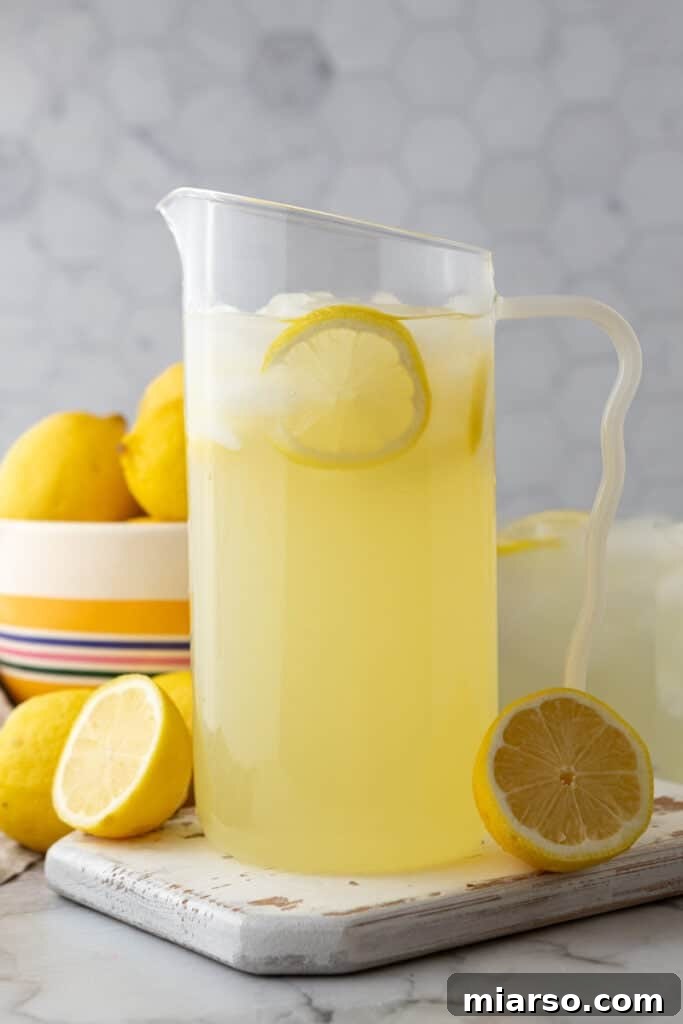
Why Homemade Lemonade is Always the Best Choice
While convenience stores offer a seemingly endless array of bottled lemonades, none can truly compare to the vibrant, authentic taste of a homemade batch. When you make lemonade from scratch, you’re in control of every ingredient, ensuring peak freshness and allowing for complete customization to suit your palate. This simple process transforms fresh lemons, your preferred sweetener, and pure water into a deeply satisfying beverage that store-bought options simply cannot replicate. The pure, unadulterated essence of real lemon, often enhanced by the fragrant zest, creates a complex and refreshing flavor profile that leaves a lasting impression.
Beyond the superior taste, there are several compelling reasons to embrace the art of homemade lemonade:
- Purity and Simplicity: Commercial lemonades often contain high-fructose corn syrup, artificial colors, and obscure additives. Homemade lemonade typically uses just three core ingredients: lemons, sugar, and water, providing a clean and wholesome drink.
- Customizable Sweetness and Tartness: Everyone has a different preference for how sweet or tart their lemonade should be. Making it yourself allows you to adjust the sugar content precisely, ensuring it’s perfect for you and your guests.
- Cost-Effective: Buying a few fresh lemons and a bag of sugar is often more economical than repeatedly purchasing pre-made lemonade, especially if you enjoy it frequently.
- A Versatile Base: Homemade lemonade serves as an excellent foundation for countless variations, from fruity infusions to spirited cocktails, making it a truly adaptable beverage.
- A Healthier Option: By controlling the sugar type and amount, you can create a healthier version that fits dietary needs, such as using natural sweeteners or reducing overall sugar.
Essential Ingredients for the Perfect Homemade Lemonade
Creating an exceptional lemonade begins with selecting high-quality ingredients. Each component plays a crucial role in achieving that ideal balance of sweet and tangy. Here’s a detailed look at what you’ll need, along with tips for making the best choices:
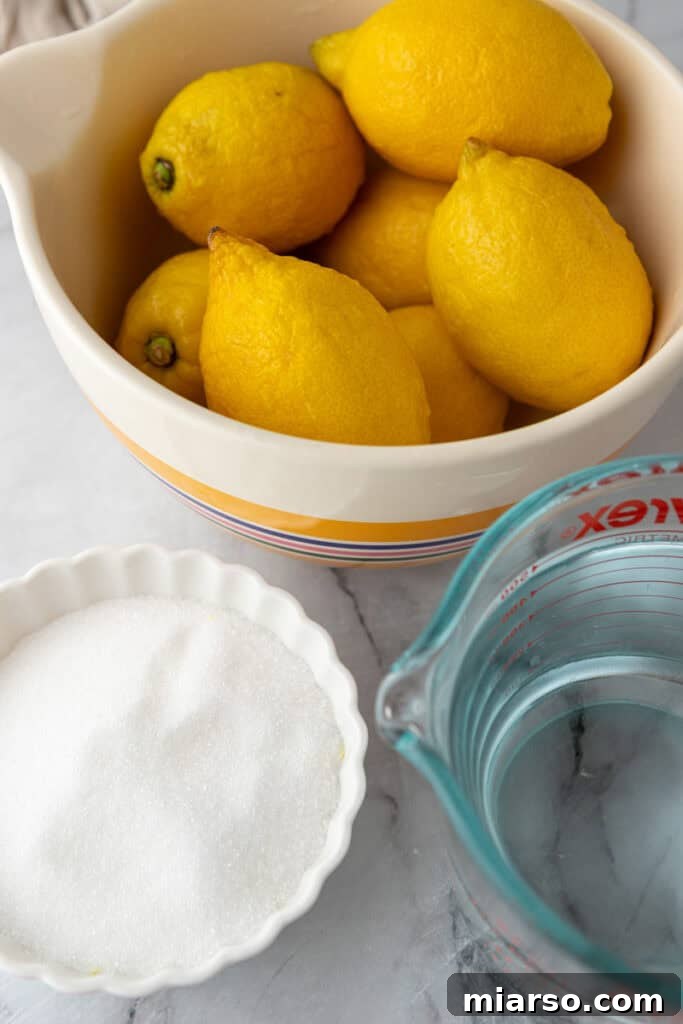
- Fresh, Real Lemons: This is non-negotiable for next-level lemonade. The vibrant, complex flavor of freshly squeezed lemon juice is paramount. Avoid bottled lemon juice, which often has a metallic or processed aftertaste that can detract from your drink. For best results, choose lemons that are bright yellow, firm, and feel heavy for their size, indicating they are juicy. Rolling them firmly on a countertop before slicing can help extract more juice. You’ll likely need about 5-6 medium lemons for 1 cup of juice.
- Granulated Sugar: This classic sweetener provides a clean, neutral sweetness that allows the lemon flavor to shine. You can easily adjust the amount to suit your personal preference. For those monitoring sugar intake, alternatives like monk fruit sweetener or erythritol can be used for a low-calorie version. Honey or maple syrup can also work, but be aware they will impart their own distinct flavor and may require slight adjustments to the amount for desired sweetness.
- Filtered Water: The quality of your water significantly impacts the final taste of your lemonade. Using filtered water ensures a clean, pure taste, free from any tap water impurities or chlorine aftertaste that could dull the vibrant lemon flavor.
- Plenty of Ice Cubes: Lemonade is best served ice-cold. Use fresh, clean ice cubes. If you’re sensitive to “freezer taste,” consider using ice made from filtered water or even store-bought ice.
- A Pinch of Salt (Optional but Recommended): A tiny dash of salt, especially when added to the warm simple syrup, can work wonders. It doesn’t make the lemonade salty but rather enhances and balances the sweetness of the sugar and the tartness of the lemon, creating a more well-rounded and harmonious flavor profile.
Essential Equipment for Homemade Lemonade
While the ingredients are simple, having the right tools can make the process even smoother and more enjoyable:
- Lemon Juicer: A good lemon juicer (manual or electric) will save you a lot of effort and ensure maximum juice extraction from your lemons.
- Medium Saucepan: For preparing the lemon-infused simple syrup.
- Fine-Mesh Sieve or Strainer: Essential for straining out the lemon peels and any pulp, ensuring a smooth lemonade.
- Large Pitcher (1.5-2 quarts/liters): For mixing and serving your lemonade.
- Measuring Cups and Spoons: For accurate ingredient measurements.
- Long Spoon or Stirrer: To combine ingredients thoroughly.
How to Make the Best Homemade Lemonade with Fresh Lemons: A Detailed Guide
This recipe focuses on creating a flavorful lemon simple syrup infused with lemon zest, which amplifies the citrus aroma and taste without adding bitterness. Follow these detailed steps for a truly exceptional lemonade:

- Prepare the Lemons: Before juicing, carefully peel 3-4 of your fresh lemons. Use a vegetable peeler or a sharp knife to remove only the bright yellow zest, being very careful to avoid the white pith underneath. The pith is bitter and can negatively affect the sweet flavor of your lemonade. Set the zest aside. Then, proceed to juice all your lemons until you have approximately 1 cup of fresh lemon juice.
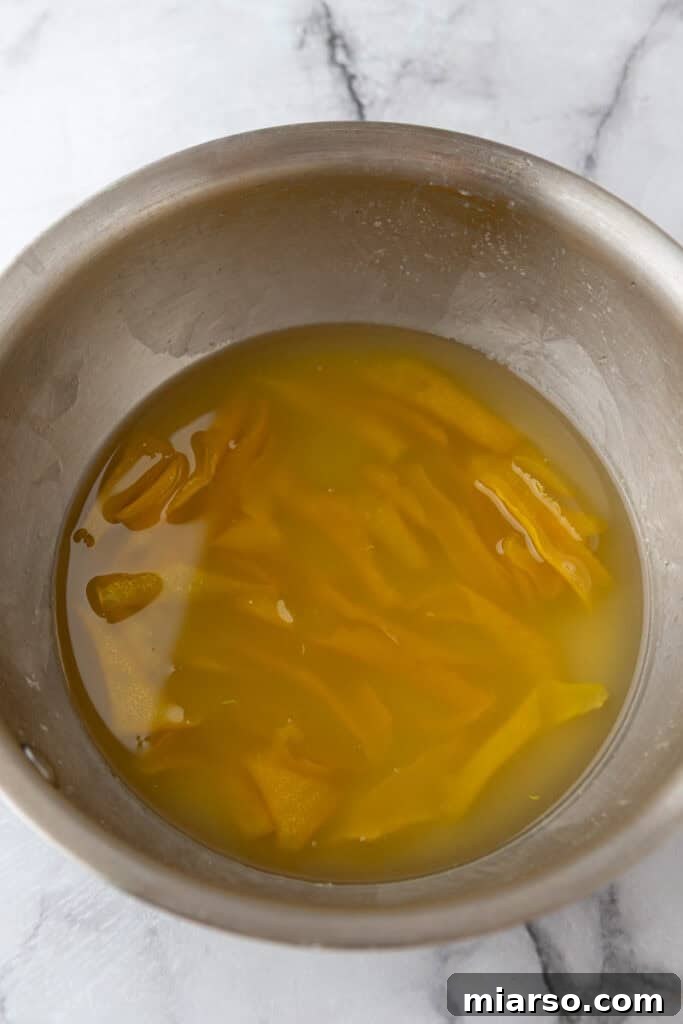
- Create the Lemon-Infused Simple Syrup: In a medium or small saucepan, combine the reserved lemon peels (zest), the granulated sugar, and the freshly squeezed lemon juice. Add the optional pinch of salt here if you’re using it to help balance the flavors.
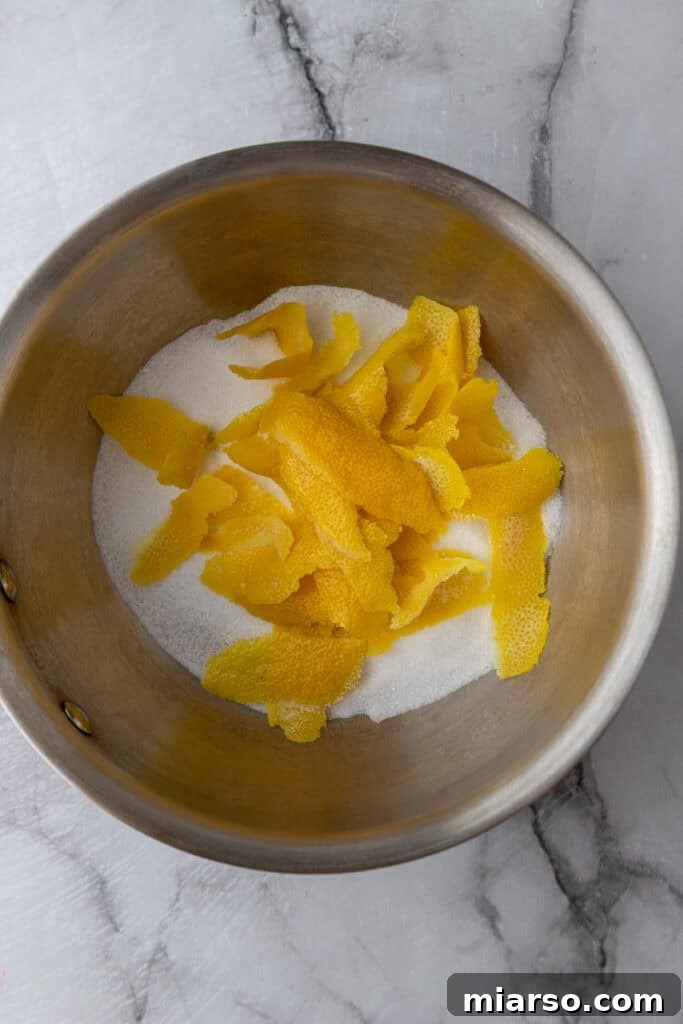
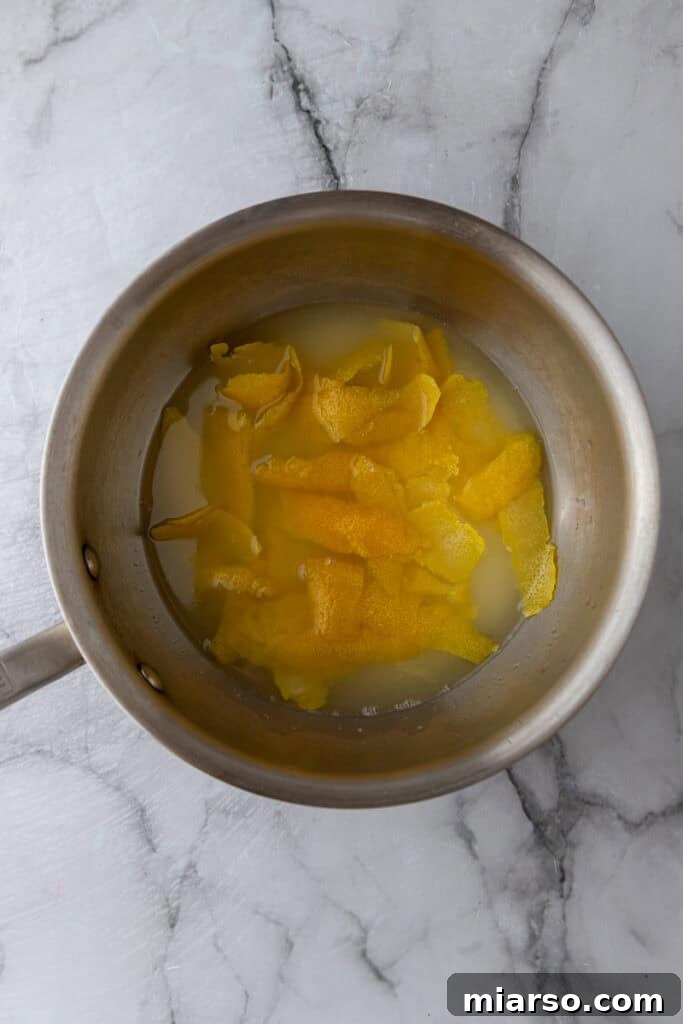
- Cook the Syrup and Cool: Place the saucepan over medium heat on the stove. Stir frequently until the sugar completely dissolves into the lemon juice, creating a clear syrup. Do not let the mixture boil vigorously; a gentle simmer is sufficient to dissolve the sugar and infuse the lemon zest. Once the sugar is dissolved, remove the saucepan from the heat and allow the lemon-infused simple syrup to cool down completely to room temperature. This cooling step is crucial to prevent diluting your lemonade later.
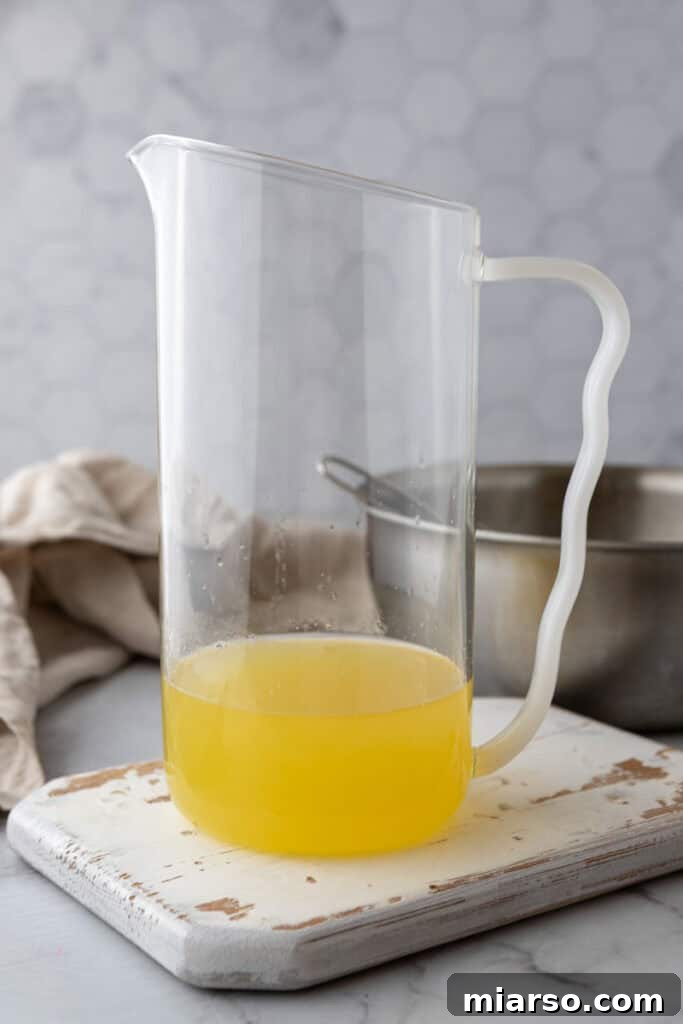
- Strain and Combine: Once the lemon sugar mixture has cooled thoroughly, strain it into a large pitcher. Use a fine-mesh sieve to catch and discard all the lemon peels and any pulp, ensuring a smooth and clear lemonade base.
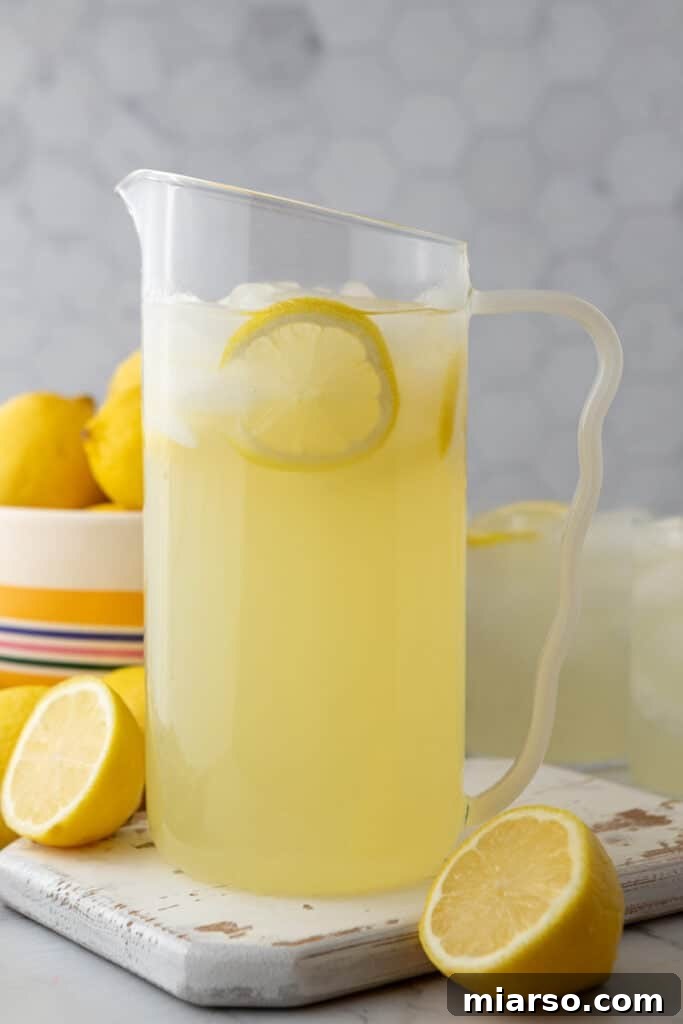
- Add Water and Ice: Pour 5-6 cups of cold, filtered water into the pitcher with the strained lemon syrup. Add a generous amount of ice cubes. Stir everything together very well. Taste the lemonade and adjust the sweetness or tartness if needed by adding a little more sugar (dissolved in a tiny bit of warm water first) or more lemon juice.
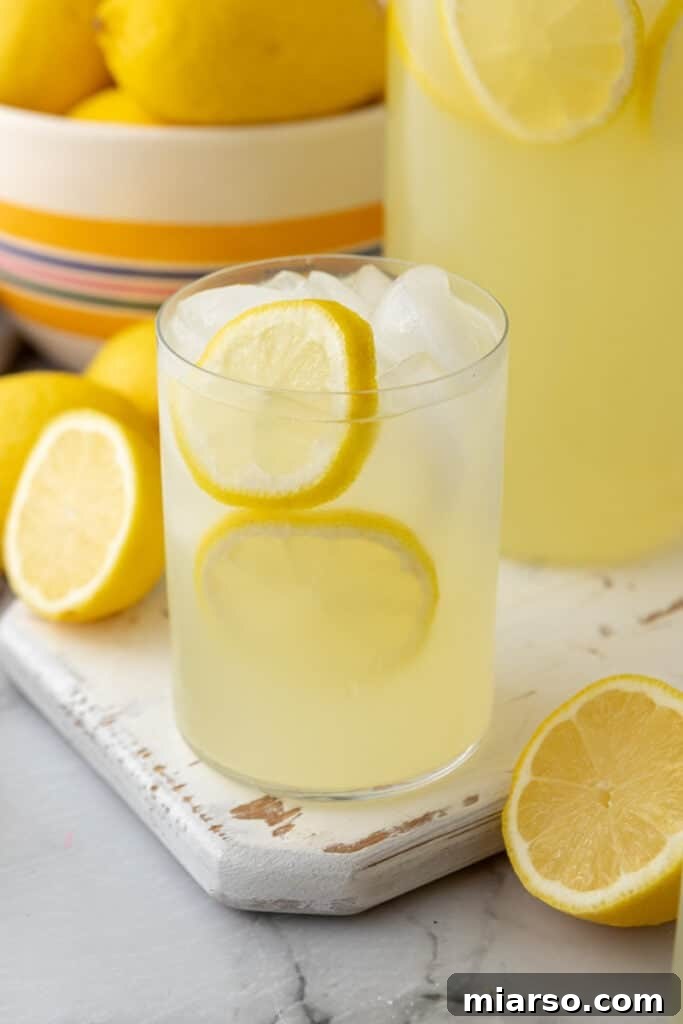
- Garnish and Serve: For an extra touch of elegance and freshness, garnish your homemade lemonade with thin slices of fresh lemon and a sprig of fresh mint. Serve immediately and enjoy the ultimate refreshing summer drink!
Expert Tips for the Best Fresh Lemonade Every Time
- Always Use Fresh Lemons: This cannot be stressed enough. Bottled lemon juice often contains preservatives and lacks the bright, authentic flavor of fresh lemons. The difference in taste is monumental.
- Incorporate Lemon Zest into Your Simple Syrup: This step is a game-changer. The oils in the lemon zest contain powerful aromatic compounds that deeply infuse the syrup, adding a more profound and complex lemon flavor to your lemonade without making it overly tart.
- Allow the Simple Syrup to Cool Completely: Patience is key here. Adding cold water and ice to a hot simple syrup will melt the ice quickly and dilute your lemonade too much, resulting in a watery, less flavorful drink. Ensure the syrup is at room temperature or even chilled before combining.
- Taste and Adjust: Lemon size and sweetness can vary, so always taste your lemonade before serving. You can easily adjust the water amount for desired strength, or add a little more sugar or lemon juice to achieve your perfect balance.
- Roll Your Lemons: Before cutting and juicing, firmly roll your lemons on the countertop for about 10-15 seconds. This helps break down the membranes inside the lemon, allowing for maximum juice extraction.
- Use Warm Water for Sugar: While the recipe calls for heating the syrup, if you’re ever making a quick, no-cook lemonade, dissolve sugar in a small amount of warm water first to create a makeshift simple syrup before adding cold lemon juice and water.
Frequently Asked Questions – FAQ
How Many Lemons Do I Need for 1 Cup of Juice?
On average, you will need about 5-6 medium-sized fresh lemons to yield 1 cup of juice. However, this can vary based on the size and juiciness of the lemons.
Storage Tips for Old-Fashioned Lemonade
- Refrigerator: Store your homemade lemonade in a large airtight container or simply cover the top of your pitcher tightly with plastic wrap. Stored without ice, it will keep fresh in the refrigerator for up to 5-7 days. Adding ice only when serving helps prevent dilution.
- Freezer: For longer storage, pour the lemonade into gallon-sized freezer bags or into Souper Cube silicone trays. Freeze for up to 3 months. When you’re ready to enjoy, simply thaw it in the refrigerator overnight or directly in a pitcher. Stir well before serving.

How to Make Homemade Lemonade with Different Flavor Variations
One of the joys of homemade lemonade is its incredible versatility. Once you have the basic recipe down, you can easily experiment with various flavor infusions:
- Strawberry Pink Lemonade: Blend 1 cup of fresh strawberries until smooth. Stir the strawberry puree into your cooled lemon simple syrup before adding water. For a seedless version, strain the strawberry puree through a fine-mesh sieve. Raspberries also work beautifully with this method!
- Mint Lemonade: Add a generous handful of fresh mint leaves to the hot lemon simple syrup while it’s still in the saucepan. Let it steep for about 15-20 minutes as the syrup cools to allow the mint flavor to infuse. Strain out the mint leaves before combining with water. Garnish with fresh mint sprigs.
- Sparkling Lemonade: For a delightful fizz, replace 2-3 cups of the cold water with chilled club soda or sparkling water. Add it just before serving to maintain the bubbles.
- Basil Lemonade: Similar to mint lemonade, add a handful of fresh basil leaves to the hot simple syrup and let them steep while it cools. Strain the basil leaves out before mixing with water for a unique herbaceous twist.
- Lavender Lemonade: Add a tablespoon of food-grade dried lavender flowers to your hot simple syrup and steep as it cools. Strain thoroughly before diluting.
- Ginger Lemonade: Add a few slices of fresh ginger to the saucepan with your lemon simple syrup ingredients. Remove the ginger before straining.
Can I Use Bottled Lemon Juice?
While you technically *can* use bottled lemon juice, it’s highly recommended to use fresh lemons for the best flavor. Bottled juices often have a less vibrant taste and can even carry a slight processed or “off” aftertaste that will significantly diminish the quality of your homemade lemonade.
Can I Use Honey or Maple Syrup in This Recipe?
Yes, you can certainly substitute granulated sugar with natural sweeteners like honey or maple syrup. Be aware that they will impart their own distinct flavor to the lemonade. For substitution, aim for about 1/3 to 1/2 cup of honey or maple syrup to replace 3/4 cup of granulated sugar, then taste and adjust. It’s best to dissolve these in the room temperature water or lemon juice component rather than cooking them in the simple syrup, to preserve their flavor profiles. Continue with the rest of the lemonade preparation as normal, adjusting sweetness to your liking.

Classic Homemade Old-Fashioned Lemonade Recipe
A simple and refreshing homemade lemonade recipe made with fresh lemons, sugar, and water. Perfectly tangy, sweet, and thirst-quenching for hot summer days.
Print Recipe
Ingredients
- Peel from about 3-4 lemons you will be juicing (avoid the white pith)
- 1 cup fresh lemon juice (from about 4-6 lemons)
- 3/4 cup granulated sugar (adjust to taste)
- 5-6 cups cold water (adjust to taste)
- Ice cubes
- Lemon slices and fresh mint leaves for garnish (optional)
Instructions
- Before juicing the lemons, peel 3 to 4 of them, just the yellow zest, not the bitter white part. This adds extra lemon flavor to the syrup.
- In a saucepan, combine the fresh lemon juice, sugar, and the lemon peels. Heat over medium, stirring occasionally, until the sugar fully dissolves and the mixture is hot (but not boiling). Once the sugar’s dissolved and the lemon peel has had a chance to infuse, remove from heat and let it cool completely to room temperature.
- Strain the cooled mixture into a large pitcher, discarding the peels. Add in the cold water and plenty of ice. Stir well, taste, and adjust sweetness or tartness if needed. Serve right away or chill in the fridge. Garnish with lemon slices and fresh mint if desired!
Nutrition Information (Approximate)
Nutrition information is automatically calculated and should only be used as an approximation. Actual values may vary.
We hope this comprehensive guide inspires you to create your own batches of delicious homemade lemonade. There’s truly nothing more satisfying than serving a glass of this refreshing drink made with your own hands. We’d love to hear your thoughts and experiences! Feel free to leave a comment below and share your favorite lemonade variations or tips.