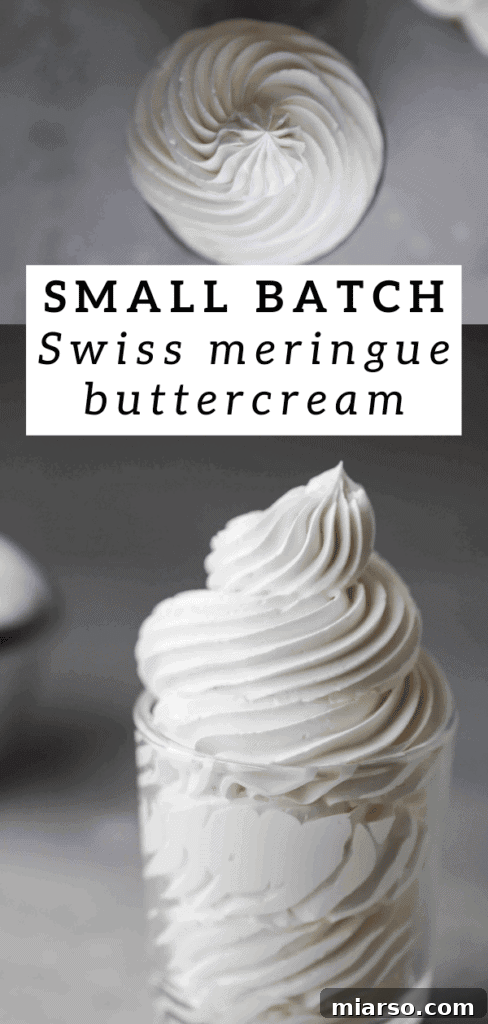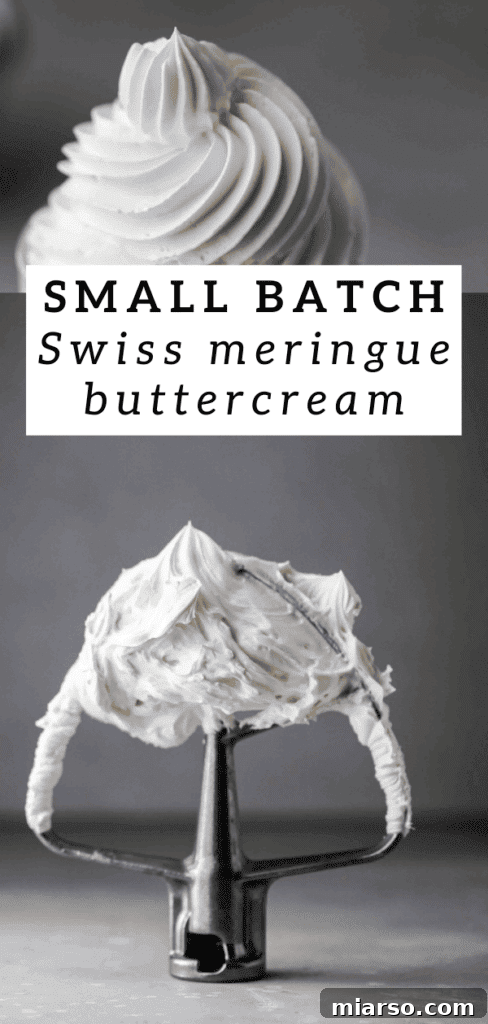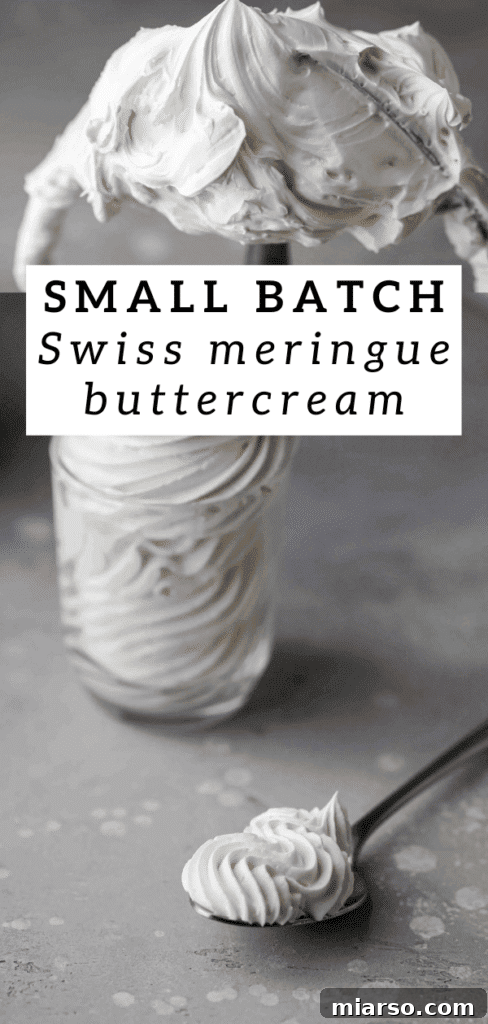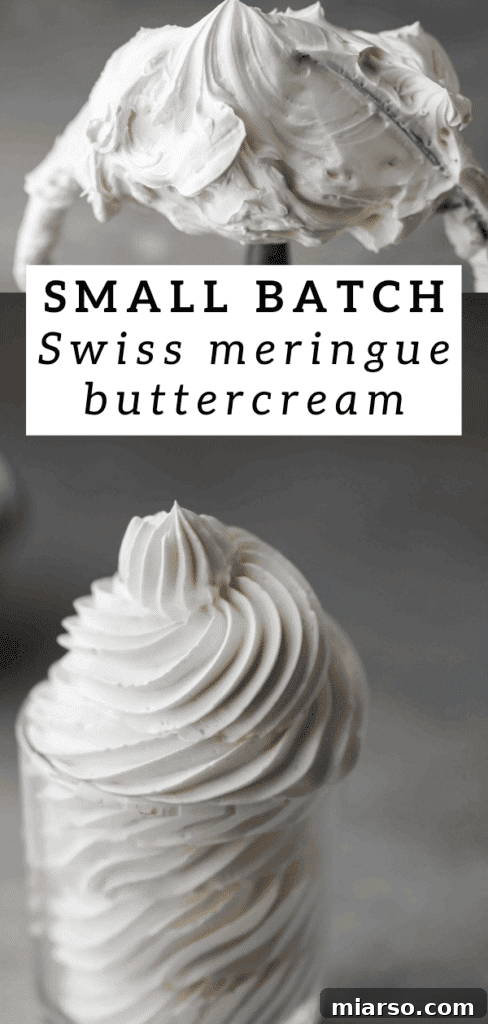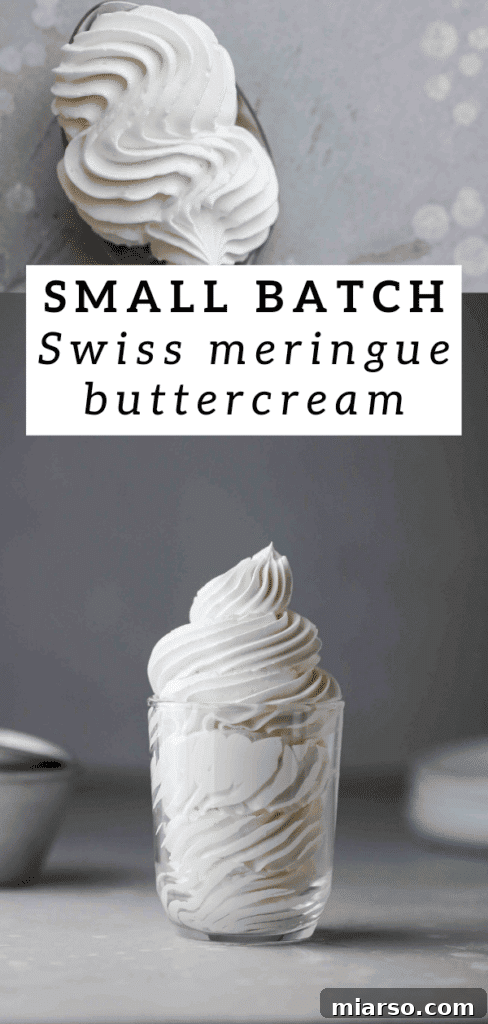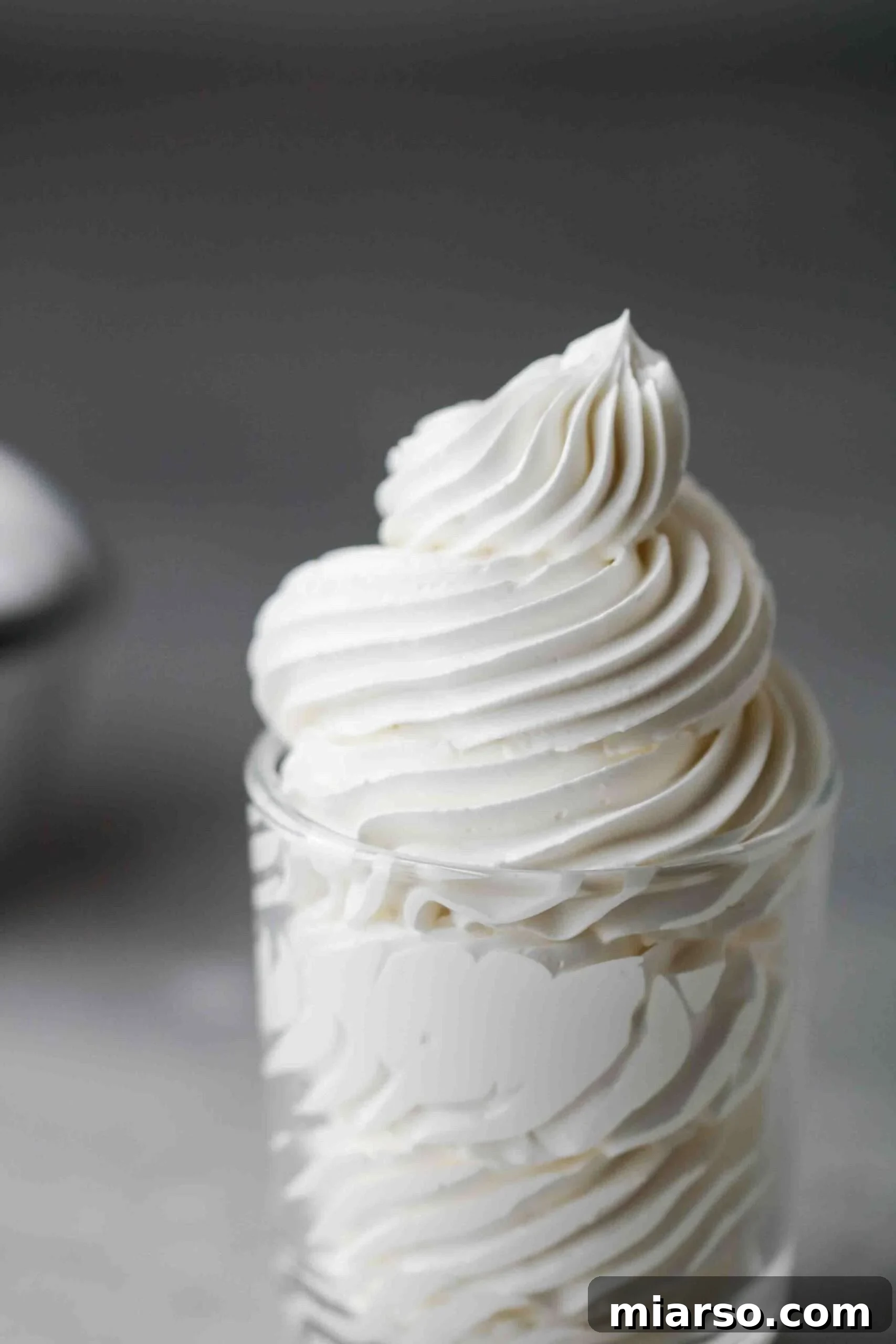
Welcome to the ultimate guide for crafting the perfect small batch Swiss Meringue Buttercream! This recipe promises a frosting that is unbelievably creamy, luxuriously silky smooth, and perfectly balanced in sweetness. It’s an ideal choice for decorating cakes, cupcakes, or even filling delicate cookies and macarons, ensuring you always have just enough, without any wasteful leftovers. Prepare to elevate your baking with this exquisite, easy-to-make buttercream.
Baking is truly an art form deeply rooted in science, and it’s this precise science that blesses us with culinary masterpieces like Swiss Meringue Buttercream. Unlike its sweeter cousin, American Buttercream, Swiss Meringue Buttercream offers a refined experience with its significantly reduced sweetness and incomparably smooth texture. This makes it a favorite among professional bakers and home enthusiasts alike who seek elegance and balance in their desserts.
For those intimidated by the intricacies of Italian Meringue Buttercream, which typically demands careful handling of hot sugar syrup, the Swiss method offers a wonderfully simplified alternative. With Swiss Meringue Buttercream, you only need to gently cook egg whites and granulated sugar over a hot water bath, continuously whisking until the mixture reaches a safe and specific temperature. This straightforward process eliminates the need for complex syrup stages, making it remarkably accessible even for novice bakers. The result is a stable, fluffy, and dream-like frosting that’s as easy to make as it is delightful to eat.
Discover the Perfection of This Small Batch Swiss Meringue Buttercream
This small batch Swiss Meringue Buttercream recipe stands out as a true gem in my collection of essential frosting techniques. It’s designed to be quick, efficient, and hassle-free, delivering exceptional results in a fraction of the time it takes to prepare a full-sized batch. This convenience is a game-changer for bakers who appreciate freshly made frosting without the commitment of producing large quantities.
Whether you’re decorating a handful of cookies, adding a delicate swirl to a mini cake, or simply testing out a new flavor profile, this small batch approach ensures that you create just the right amount. Say goodbye to excessive leftovers that take up precious space in your fridge or freezer. This recipe empowers you to whip up a fresh batch whenever inspiration strikes, ensuring your treats are always adorned with the freshest, most vibrant frosting possible. It’s perfect for those moments when a full recipe is simply too much, providing versatility for everything from cupcakes and brownies to intricate macarons and whoopee pies.
What Makes This Small Batch Swiss Meringue Buttercream Irresistible?
- Balanced Sweetness: Significantly less sweet than traditional American buttercream, allowing other flavors to shine through.
- Simplified Process: Easier to master than Italian meringue buttercream, eliminating the need for complex sugar syrup preparation.
- Incredibly Smooth and Silky: Achieves a luxurious, melt-in-your-mouth texture that pipes beautifully and spreads effortlessly.
- Rich and Creamy: Delivers a decadent mouthfeel without being overly heavy or greasy.
- Baker’s Favorite: A preferred choice for its excellent workability and elegant finish on all types of baked goods.
- Remarkably Versatile: Perfect for frosting cakes, cupcakes, and brownies; ideal for filling whoopee pies, sandwich cookies, and delicate macarons.
Understanding Swiss Meringue Buttercream
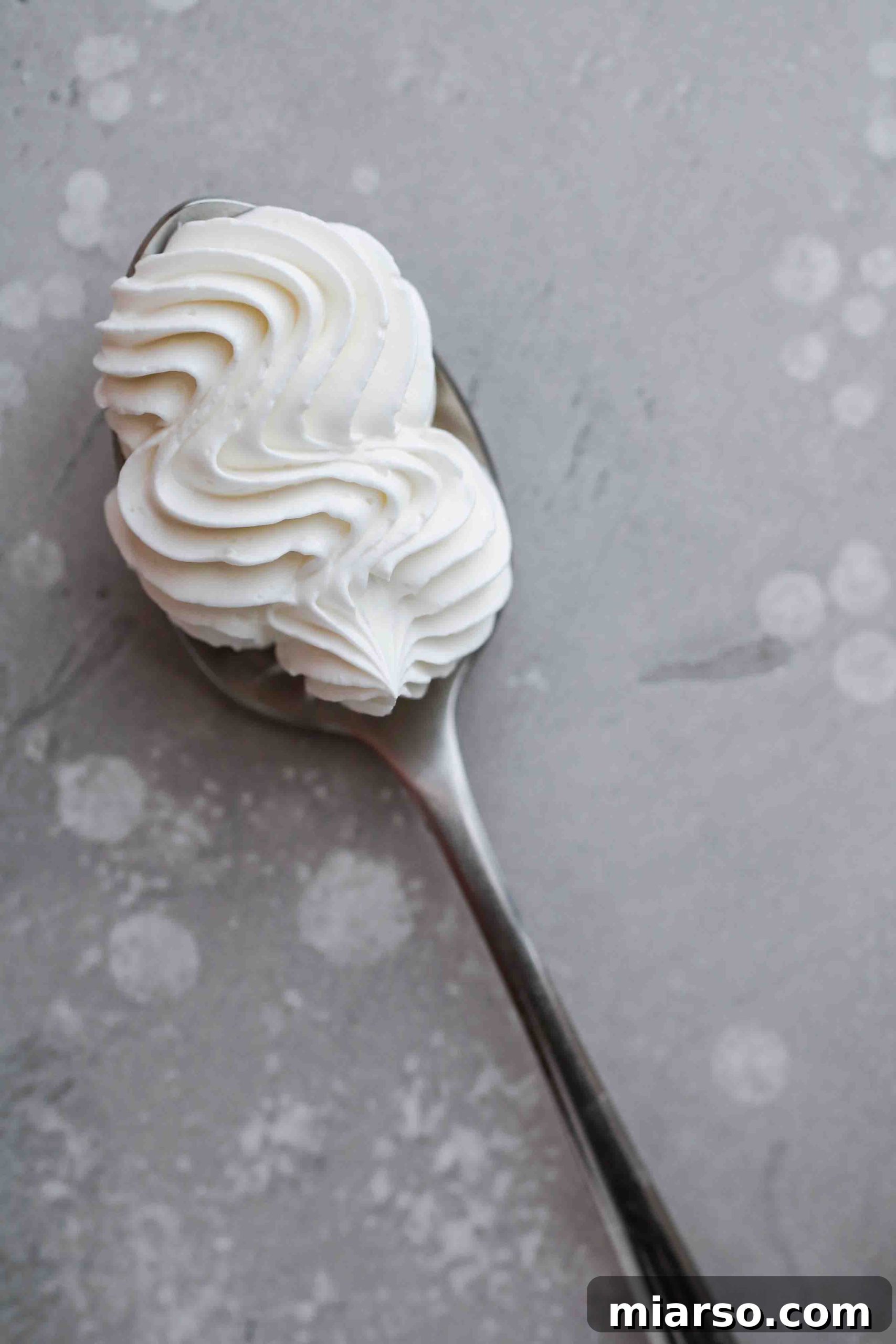
Swiss Meringue Buttercream (SMBC) is a sophisticated frosting distinguished by its unique preparation method and superior qualities. Unlike the simple creamed butter and sugar of American buttercream, SMBC begins with a meringue base, which contributes to its lighter texture and less intense sweetness. The magic happens by gently heating egg whites and sugar together over a double boiler while continuously whisking. This crucial step not only dissolves the sugar completely but also pasteurizes the egg whites, ensuring a safe and stable meringue.
Once the sugar has dissolved and the mixture reaches the desired temperature, it is then whipped vigorously in a stand mixer until it transforms into a glossy, stiff-peaked meringue. This aeration creates the signature light and airy structure. Finally, softened butter is gradually incorporated, leading to a luscious, smooth, and incredibly stable buttercream. The result is a frosting that holds its shape beautifully for piping, spreads like a dream, and offers a delicate, buttery flavor that complements rather than overwhelms your desserts.
Swiss Meringue vs. Italian Meringue vs. American Buttercream: A Detailed Comparison
Understanding the distinctions between different buttercream types is key to choosing the right frosting for your baking projects. Swiss Meringue Buttercream, Italian Meringue Buttercream, and American Buttercream each offer unique characteristics and are suited for different applications.
Swiss Meringue Buttercream (SMBC) and Italian Meringue Buttercream (IMBC) share many similarities, primarily their meringue base, which contributes to their silky texture and moderate sweetness. However, their preparation methods differ significantly. SMBC involves gently heating egg whites and granulated sugar over a double boiler while whisking. This gentle heat dissolves the sugar and pasteurizes the egg whites simultaneously. The warmed mixture is then whipped into a stable, glossy meringue before butter is added. This method is often considered more forgiving than Italian meringue, as it doesn’t require precise handling of super-hot sugar syrup.
Italian Meringue Buttercream, on the other hand, starts with an Italian meringue. This involves pouring a stream of hot sugar syrup (cooked to a specific temperature) into whipping egg whites. The hot syrup cooks the egg whites as they whip, creating a very strong and stable meringue. Once cooled, butter is added. IMBC is known for being incredibly stable, especially in warmer climates, and can hold intricate piping details exceptionally well due to the robust meringue structure. While both Swiss and Italian meringue buttercreams are less sweet and richer than American buttercream, the Italian method yields a slightly more durable frosting.
American Buttercream (ABC) stands in stark contrast to its European counterparts. It is arguably the simplest to make, requiring only butter, powdered sugar, and a liquid (like milk or cream) to be creamed together. While quick and easy, ABC is notoriously sweet and can sometimes have a slightly grainy texture due to the powdered sugar. It’s often preferred for its ease and ability to crust, making it suitable for simple decorations and children’s cakes. However, its high sugar content often makes it too sweet for many palates, and it tends to be less stable in warm conditions compared to meringue-based buttercreams.
In summary, if you’re seeking a less sweet, smooth, and creamy frosting that is relatively straightforward to prepare, Swiss Meringue Buttercream is an excellent choice. If you need maximum stability and don’t mind a more involved process, Italian Meringue Buttercream shines. For quick, easy, and very sweet frosting, American Buttercream is your go-to.
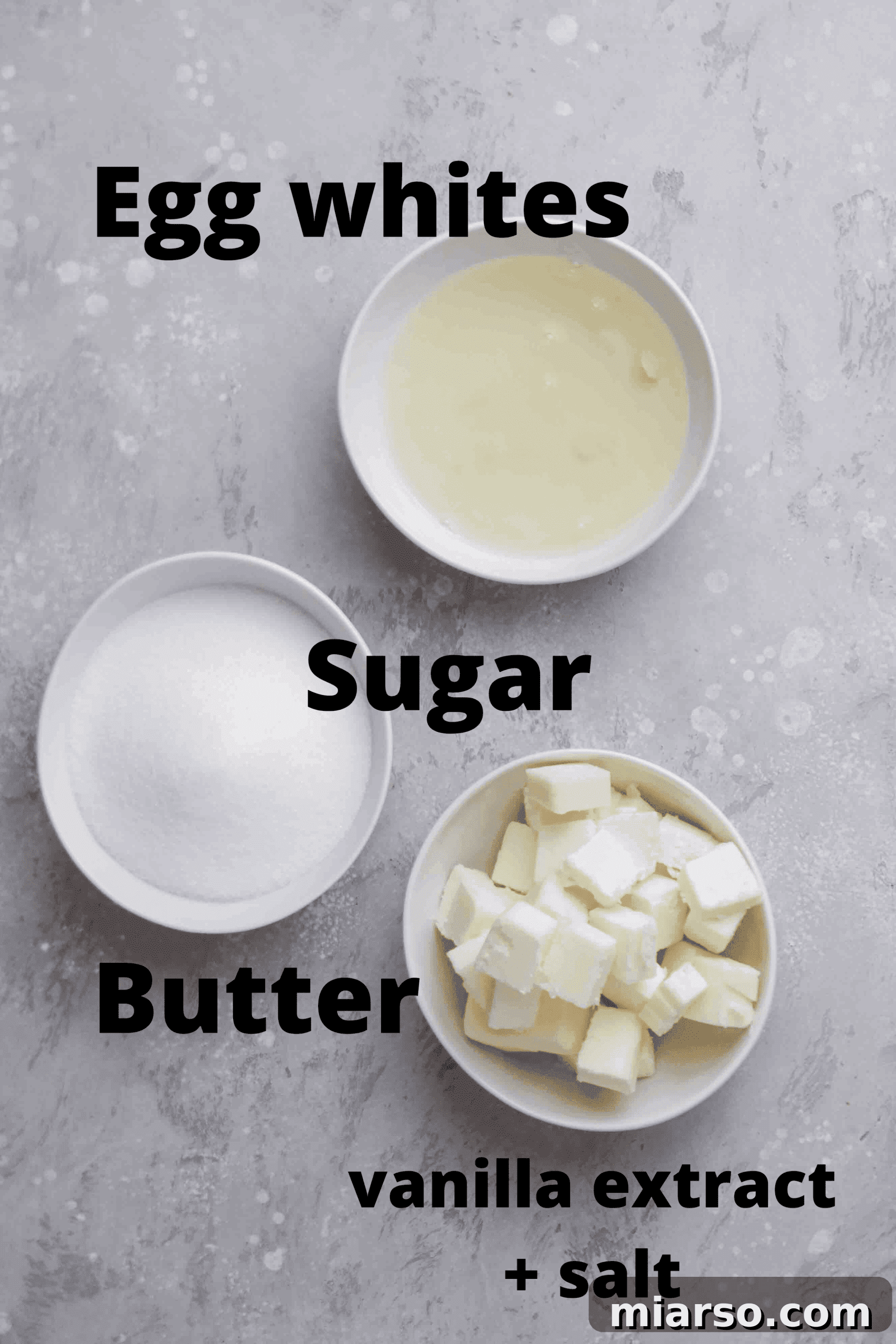
Essential Ingredients for Swiss Meringue Buttercream
Crafting this delightful small batch Swiss Meringue Buttercream requires a few key ingredients, each playing a crucial role in achieving its signature texture and flavor. For precise measurements, please refer to the detailed recipe card below.
- Egg Whites: These are the foundation of your meringue. When separating eggs, exercise extreme caution to ensure absolutely no yolk (which contains fat) makes its way into the whites. Even the slightest trace of fat can prevent your egg whites from whipping up into a stable meringue, leading to a runny or failed buttercream. Fresh, room-temperature egg whites generally yield the best results.
- Granulated Sugar: Standard granulated sugar is essential for this recipe. When heated with the egg whites, it fully dissolves, creating a smooth and stable meringue. The sugar also contributes to the structure and sweetness of the buttercream.
- Unsalted Butter: Your butter should be at a cool room temperature – soft enough to leave an indentation when pressed, but still slightly firm, not greasy or overly melted. Unsalted butter is preferred as it gives you control over the overall saltiness of the frosting. The fat in the butter is what transforms the meringue into a rich, creamy buttercream, providing both flavor and body.
- Vanilla Extract: A good quality vanilla extract is paramount for enhancing the overall flavor of your Swiss meringue buttercream. It adds warmth, depth, and a classic aroma that elevates the frosting from simple to sublime. Feel free to use vanilla bean paste for visible specks and an even richer flavor.
- Salt: A tiny pinch of salt is a baker’s secret weapon. It perfectly balances the sweetness of the sugar and butter, enhancing all the other flavors without making the buttercream taste salty. It’s about creating harmony on your palate.
Is Swiss Meringue Buttercream Safe to Eat?
A common concern with any recipe involving raw egg whites is food safety. With Swiss Meringue Buttercream, you can rest assured that this frosting is absolutely safe to consume! The key to its safety lies in the initial cooking step. You will be heating the egg white and sugar mixture over a double boiler to an internal temperature of 160°F (71°C).
This temperature is scientifically proven to kill any potential salmonella bacteria that might be present in the egg whites, rendering them completely safe for consumption. To achieve this safely and accurately, investing in a reliable kitchen thermometer is highly recommended. It takes the guesswork out of the process, ensuring your meringue reaches the precise temperature needed for both safety and perfect consistency.
How to Master Small Batch Swiss Meringue Buttercream
Creating this exquisite small batch buttercream is a rewarding process that yields incredibly delicious results. Follow these detailed steps to achieve a perfectly smooth and stable frosting. For a complete ingredient list and precise measurements, please refer to the recipe card located further down the page.
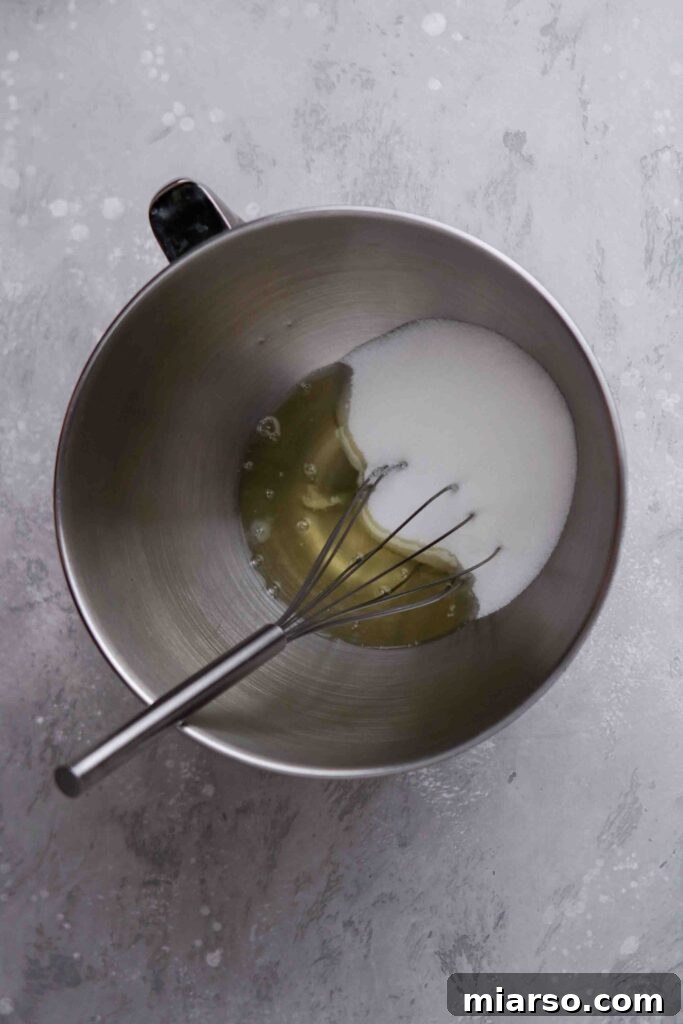
- Prepare Your Utensils Meticulously: Before you even crack an egg, ensure all your mixing bowls, whisks, and stand mixer attachments are spotlessly clean and completely grease-free. Any trace of fat—even a tiny speck of egg yolk—will prevent your egg whites from whipping into a stable meringue. Wiping down your equipment with a paper towel dampened with lemon juice or white vinegar can help ensure a clean surface.
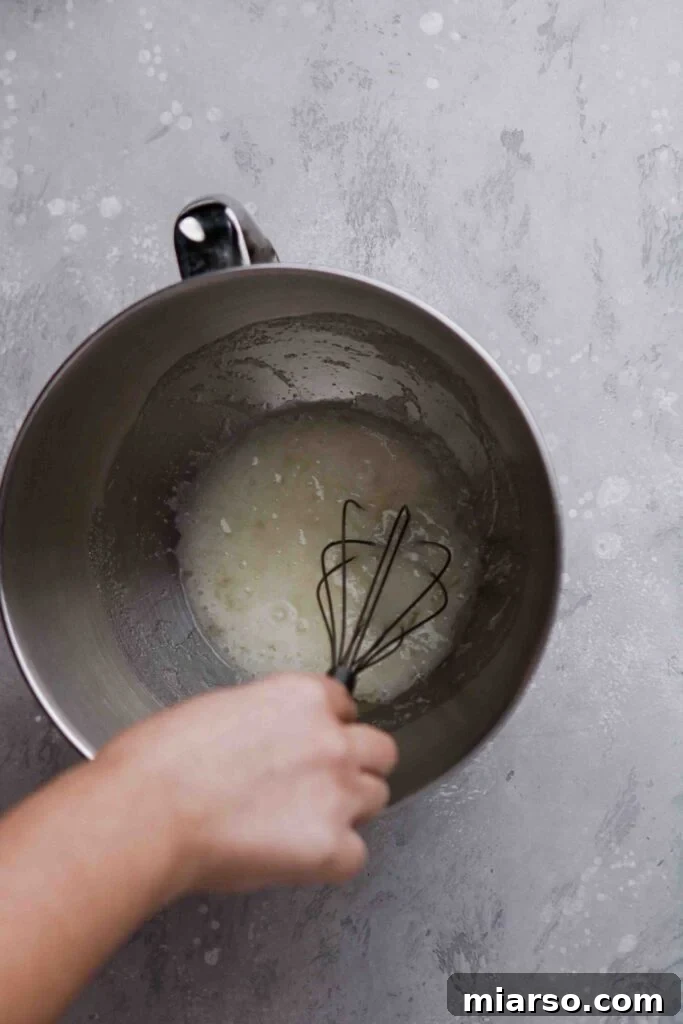
- Gently Cook the Sugar and Egg Whites: This is the heart of the Swiss meringue method. Set up a double boiler by filling a medium saucepan with about an inch or two of water and bringing it to a gentle simmer. Place your heatproof mixing bowl (ideally stainless steel or glass) over the simmering water, ensuring the bottom of the bowl does not touch the water. Combine the egg whites and granulated sugar in this bowl. Whisk the mixture constantly over the heat. The goal is to dissolve the sugar completely and bring the egg whites to a safe temperature of 160°F (71°C). Continuous whisking is crucial to prevent the eggs from scrambling. As it cooks, you’ll notice the mixture becoming thinner and lighter in color. Test for dissolved sugar by rubbing a small amount between your fingers; it should feel smooth, not gritty.
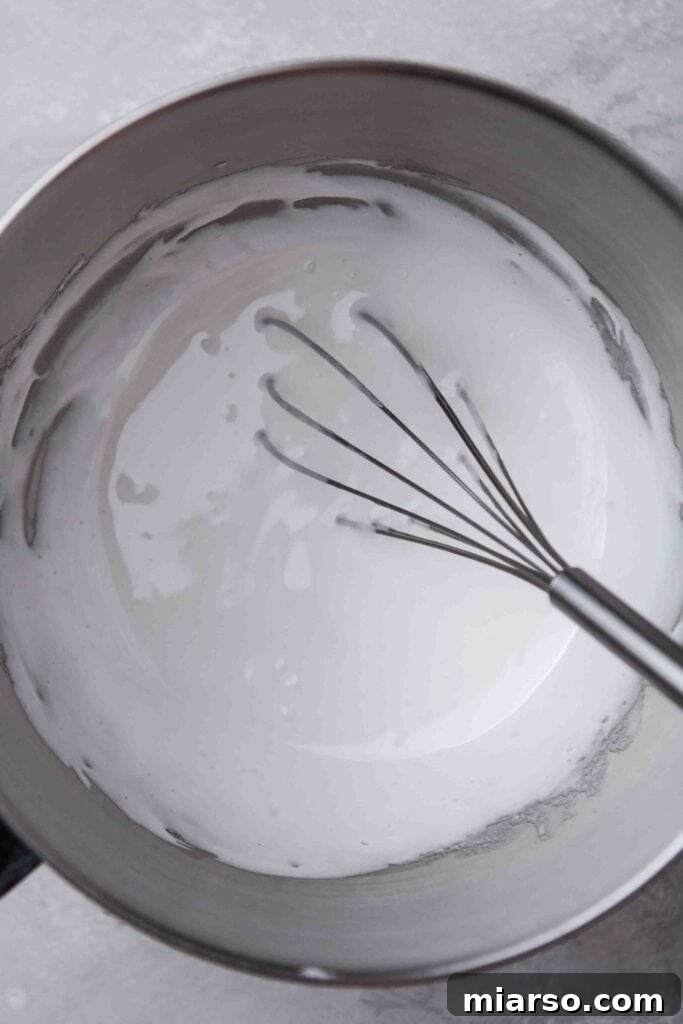
- Whip the Meringue to Stiff Peaks: Once the egg white and sugar mixture reaches 160°F and the sugar is dissolved, immediately remove the bowl from the double boiler. Transfer it to your stand mixer fitted with the whisk attachment. Begin whipping the mixture on high speed without delay. It’s important not to let the mixture cool before you start whipping. Continue beating until the meringue forms glossy, stiff peaks and the mixing bowl feels completely cool to the touch. For this small batch recipe, this process typically takes between 7-10 minutes, which is significantly faster than larger batches. The meringue should be thick, opaque, and hold its shape firmly when the whisk is lifted.
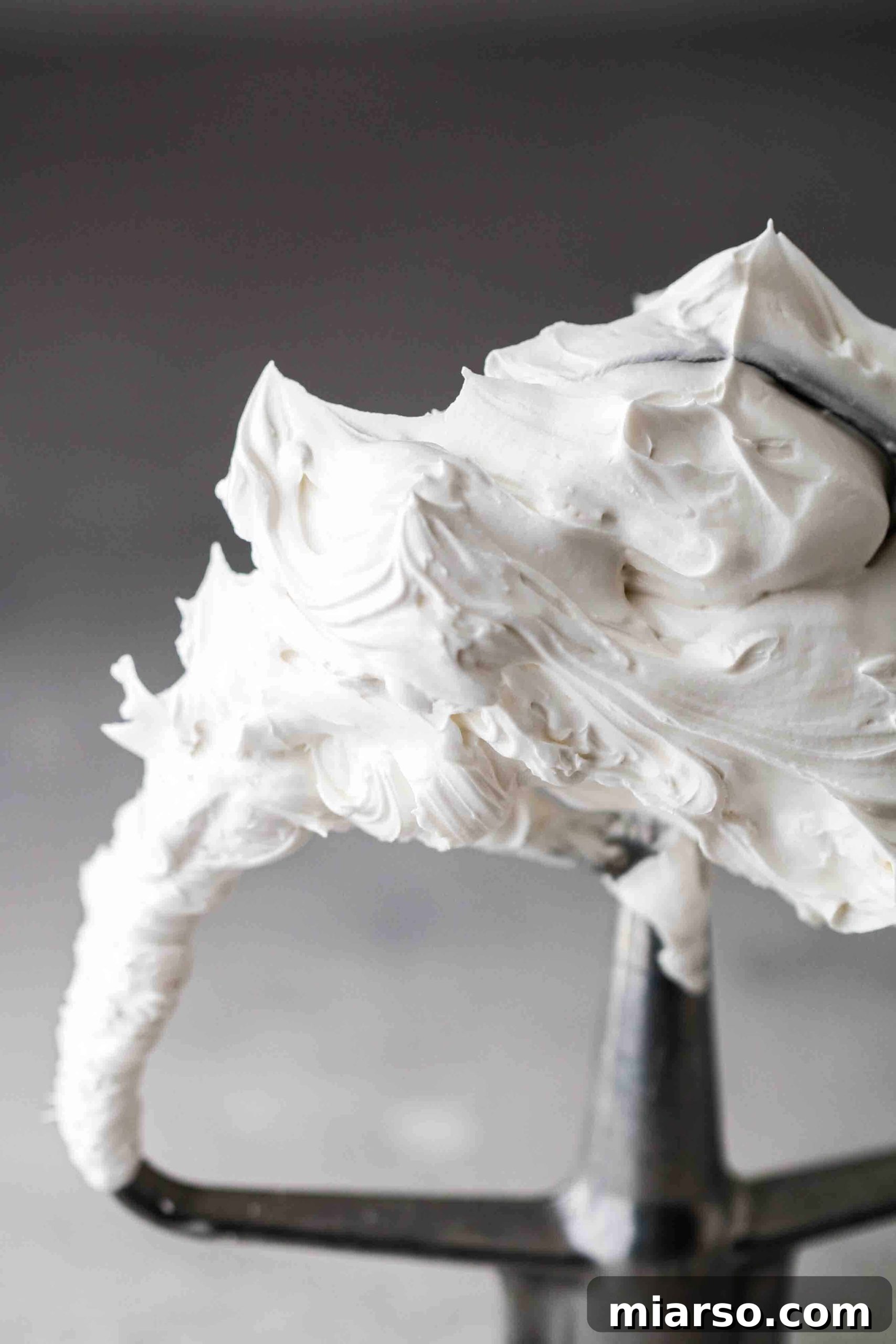
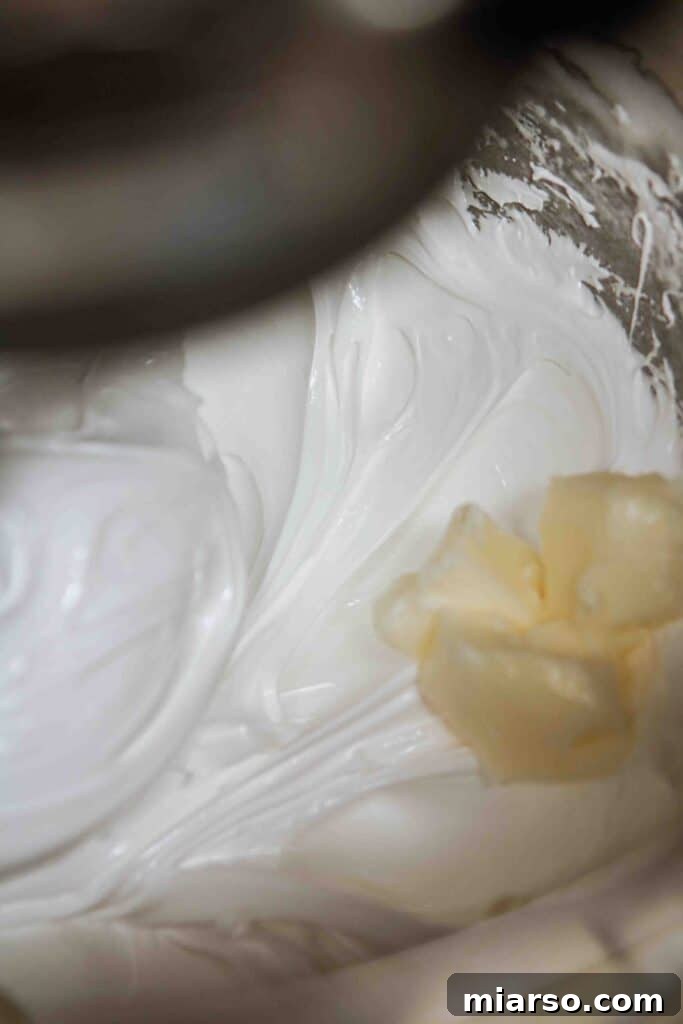
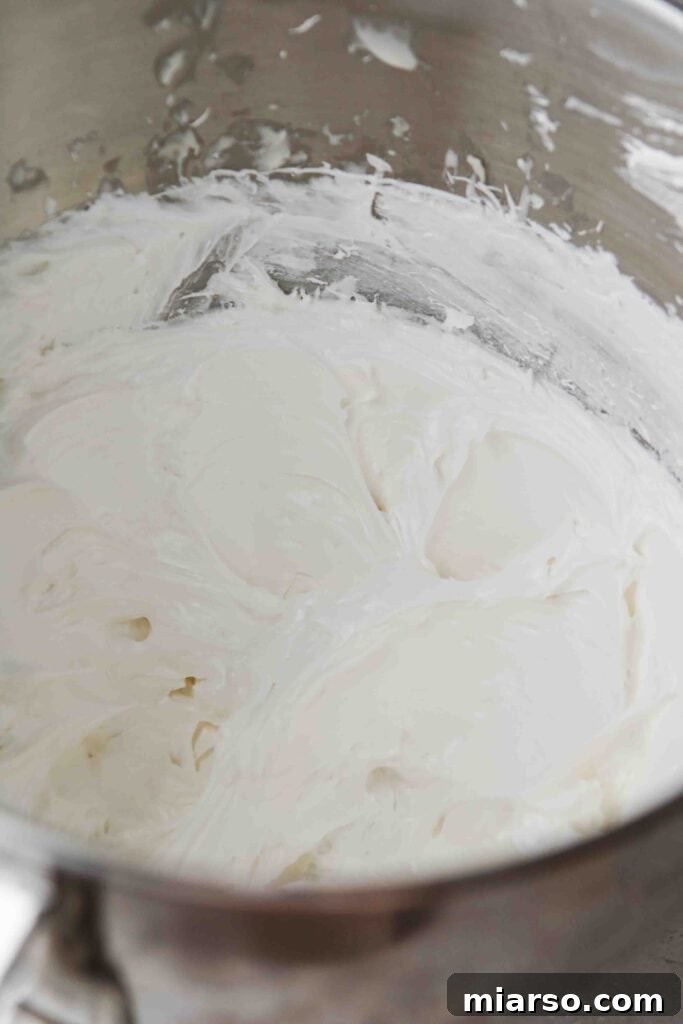
- Gradually Incorporate the Butter and Flavorings: Once your meringue is cool and has achieved stiff peaks, switch the stand mixer attachment to a paddle. With the mixer on medium-low speed, begin adding the softened (but still cool-ish) unsalted butter, one tablespoon at a time. Be patient and allow each piece of butter to fully incorporate into the meringue before adding the next. Initially, the mixture might look curdled or separated – this is completely normal! Keep mixing, and it will miraculously come together into a smooth, cohesive buttercream. Once all the butter is incorporated, add the vanilla extract and salt. Beat for one last minute on medium speed until the buttercream is perfectly smooth and fluffy. Your beautiful small batch Swiss Meringue Buttercream is now ready to transform your cakes or cupcakes!
Explore More Delightful Frosting Recipes!
If you’ve enjoyed mastering this small batch Swiss Meringue Buttercream, you’ll love these other fantastic frosting recipes perfect for any occasion:
- Easy Raspberry Cake With Raspberry Buttercream
- A Small Batch Coffee Frosting – Coffee Buttercream
- Small Batch Cream Cheese Frosting
- Vanilla Bean Italian Meringue Buttercream
Demystifying Stiff Peaks: What Are They?
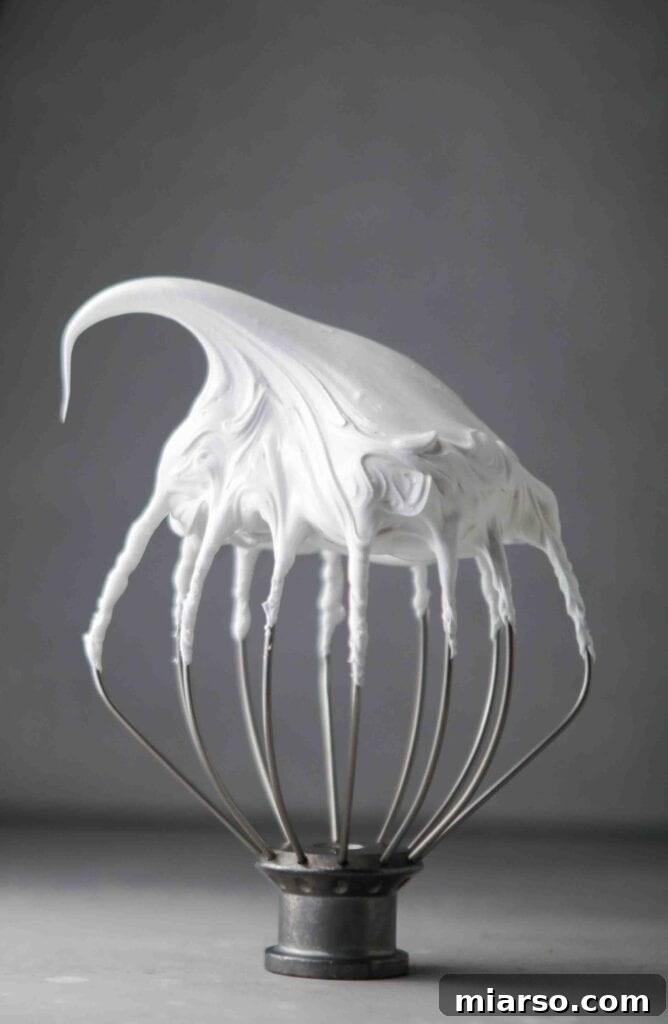
The term “stiff peaks” is frequently encountered in baking, especially when working with meringues or whipping cream. It refers to a specific stage in the whipping process where egg whites (or cream) have incorporated enough air to hold their shape firmly and distinctly. You might have seen pastry chefs or bakers on TV playfully demonstrating this by flipping a bowl of meringue over their head – a testament to perfectly formed stiff peaks!
When your meringue reaches stiff peaks, it means that if you lift your whisk attachment out of the mixture, the peak that forms on the whisk (and in the bowl) will stand straight up without drooping or curling over. It will be sharp, well-defined, and robust, indicating that the proteins in the egg whites have created a stable, airy structure capable of supporting the butter and holding its form when piped or spread. Achieving stiff peaks is a critical step for a light, stable, and beautifully structured Swiss Meringue Buttercream.
Storing Swiss Meringue Buttercream and Making it in Advance
One of the fantastic advantages of Swiss Meringue Buttercream is its excellent stability and versatility when it comes to storage, making it an ideal choice for meal prepping or baking ahead of time. Yes, you can absolutely make SMBC in advance!
Refrigerator Storage: To store your small batch Swiss Meringue Buttercream, transfer it to an airtight container. It will keep beautifully in the refrigerator for up to one week. When you’re ready to use it, simply remove it from the fridge and allow it to come to room temperature (this might take a few hours). Once at room temperature, re-whip the buttercream in your stand mixer with the paddle attachment on medium-high speed for a few minutes. It might look curdled at first, but keep whipping, and it will become smooth and silky again, ready for piping or spreading.
Freezer Storage: For longer storage, Swiss Meringue Buttercream freezes exceptionally well. Place it in a freezer-safe, airtight container, and it can be stored in the freezer for up to six months. When you plan to use it, transfer the frozen buttercream to the refrigerator to thaw overnight. Once thawed, let it come to room temperature on the counter, then give it a good re-whip in your stand mixer until it regains its perfectly smooth and fluffy consistency. This makes SMBC a convenient option for last-minute baking projects!
Adding Vibrant Color to Swiss Meringue Buttercream
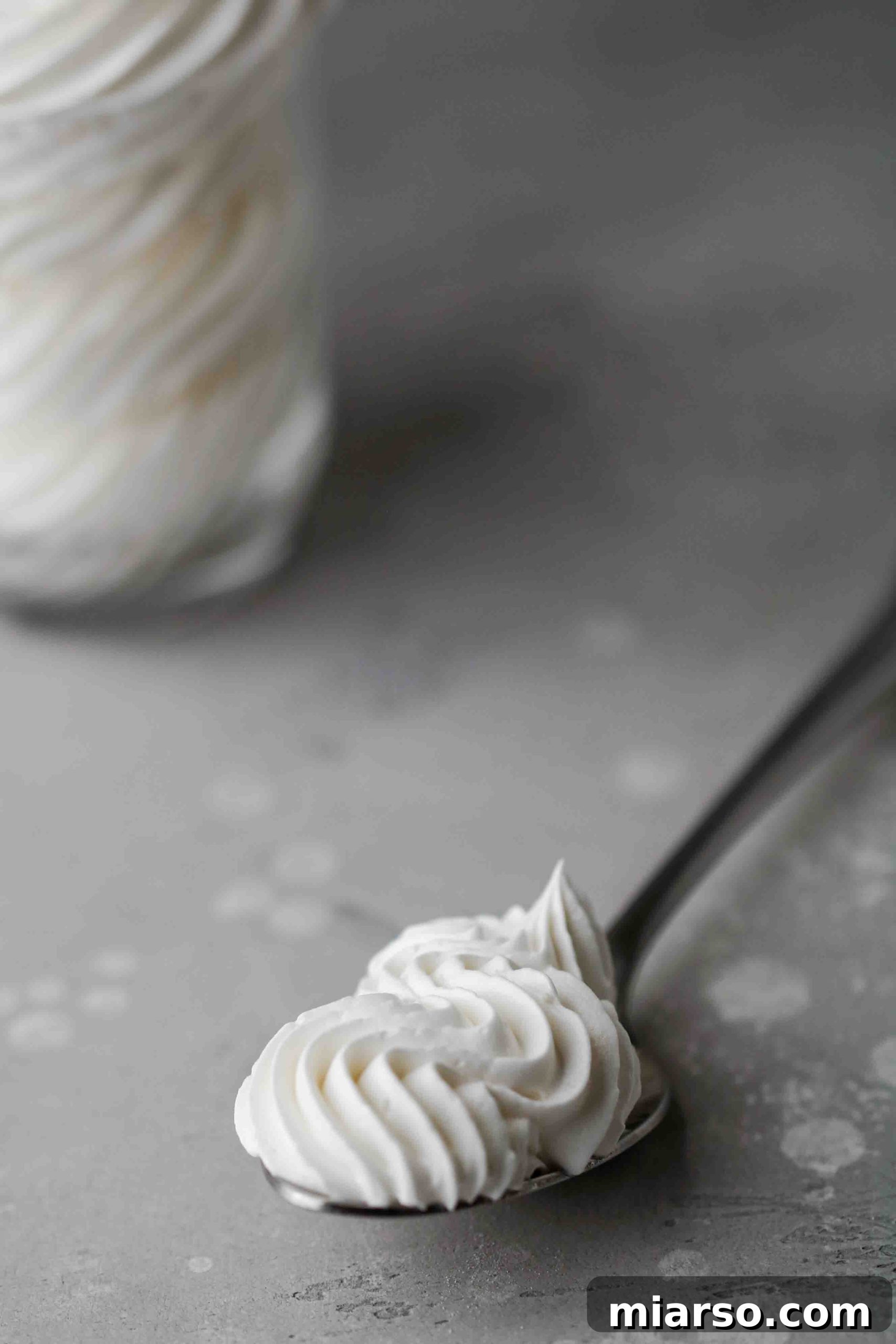
Coloring Swiss Meringue Buttercream is a simple way to add a festive or elegant touch to your desserts. For the best results, always use gel food colorings. Unlike liquid food colorings, gels are highly concentrated and won’t thin out or alter the delicate texture of your buttercream. They also provide much more vibrant and intense hues.
To add color, dip a clean toothpick into your chosen gel food coloring and swirl a small amount into the buttercream. Then, use your paddle attachment on your stand mixer to whip the frosting until the color is evenly incorporated. Start with a tiny bit of color, as a little goes a long way. You can always add more gel coloring, toothpick by toothpick, gradually increasing the intensity until you achieve your desired shade. This gradual approach allows for precise color control without over-coloring.
Does Swiss Meringue Buttercream Harden in the Fridge?
Yes, due to its high butter content, Swiss Meringue Buttercream will firm up considerably when chilled in the refrigerator. Unlike some other frostings (like certain American buttercreams), it won’t form a “crust” per se, but it will become quite solid. This is completely normal and expected.
There’s no need to worry if your SMBC feels hard as a rock after refrigeration. To use it again, simply let it sit at room temperature for a few hours until it softens. Once it reaches a pliable consistency, transfer it to your stand mixer and re-whip it with the paddle attachment on medium-high speed. It will transform back into its creamy, smooth, and spreadable glory, ready to beautifully frost your cakes, cookies, and other baked delights.
How Does This Small Batch Swiss Meringue Buttercream Hold Up in the Heat?
Swiss Meringue Buttercream generally performs quite well at typical room temperatures, making it a reliable choice for indoor events. However, it is primarily made with a significant amount of butter, and butter is susceptible to melting when exposed to excessive heat. As temperatures approach or exceed 80°F (27°C), you will start to notice that the buttercream may become noticeably softer, losing some of its structure and ability to hold intricate piped designs.
If you’re serving desserts frosted with SMBC in a warm environment, such as outdoors on a hot day, it’s advisable to keep them refrigerated until just before serving. Prolonged exposure to high heat can cause the buttercream to soften considerably, potentially leading to smudging or even melting. For maximum stability in very warm conditions, some bakers opt to replace a portion of the butter with vegetable shortening (e.g., half butter, half shortening) to increase its heat resistance, though this can slightly alter the flavor profile.
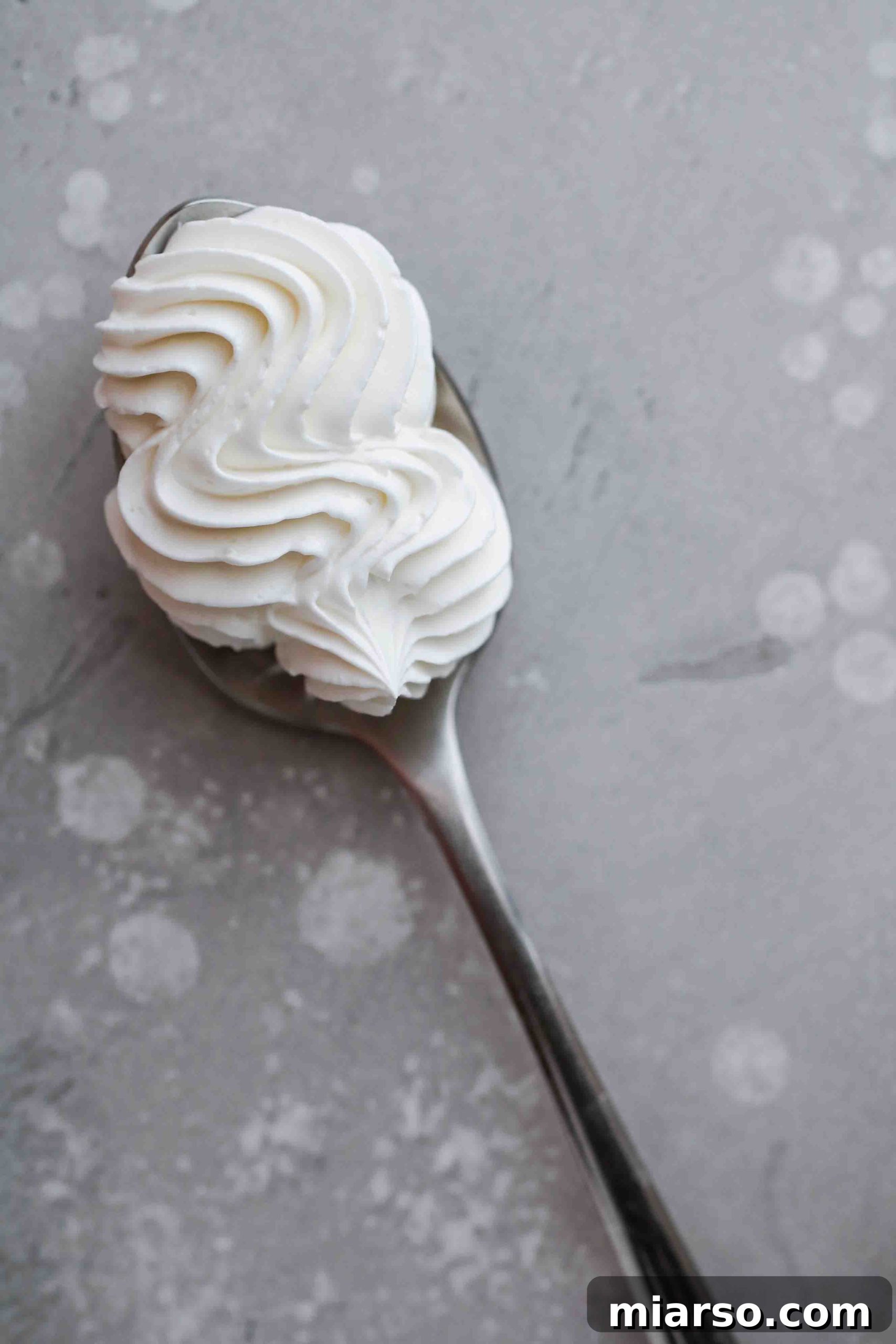
Swiss Meringue Buttercream Troubleshooting Guide
Even experienced bakers can encounter issues with Swiss Meringue Buttercream. Don’t worry, most common problems have simple solutions. Here’s a quick troubleshooting guide to help you achieve perfect SMBC every time:
- My meringue won’t reach stiff peaks! This is almost always a fat-related issue. Even the tiniest speck of egg yolk (fat) in your egg whites, or residue on your mixing bowl or whisk, can prevent the meringue from whipping up properly. Ensure your egg whites are perfectly separated and all your equipment is impeccably clean and grease-free. Start over if you suspect fat contamination.
- The buttercream looks curdled or broken! This is a very common and often alarming stage, but usually easily fixed! After you start adding the butter, the mixture might look like cottage cheese, chunky, or even soupy. This is part of the emulsification process. Keep whipping! Continue beating on medium-high speed with the paddle attachment for several minutes. It will eventually come together and transform into a smooth, cohesive, and fluffy buttercream. Patience is key here.
- My buttercream tastes too much of butter! Swiss Meringue Buttercream, by its nature, contains a significant amount of butter, so a subtle buttery flavor is inherent. However, if the butter flavor is overpowering, it could be due to a few factors. Firstly, ensure you are using unsalted butter; salted butter will intensify the butter taste. Secondly, consider adding a little more vanilla extract or another flavoring agent (like almond extract or citrus zest) to balance the richness. Ensure your meringue is fully cooled before adding butter.
- The buttercream is too thin or soupy! If your buttercream resembles a thin soup, the most likely culprit is butter that was too soft or the meringue was still warm when the butter was added. The solution is simple: place the entire mixing bowl (with the soupy buttercream) into the refrigerator for 10-20 minutes to chill slightly. Then, return it to the mixer and re-whip on medium-high speed. If your kitchen is particularly warm, you might need to repeat this chilling process once or twice, or simply allow it to chill for a longer duration. The cold will help the butter firm up, allowing it to emulsify properly with the meringue.
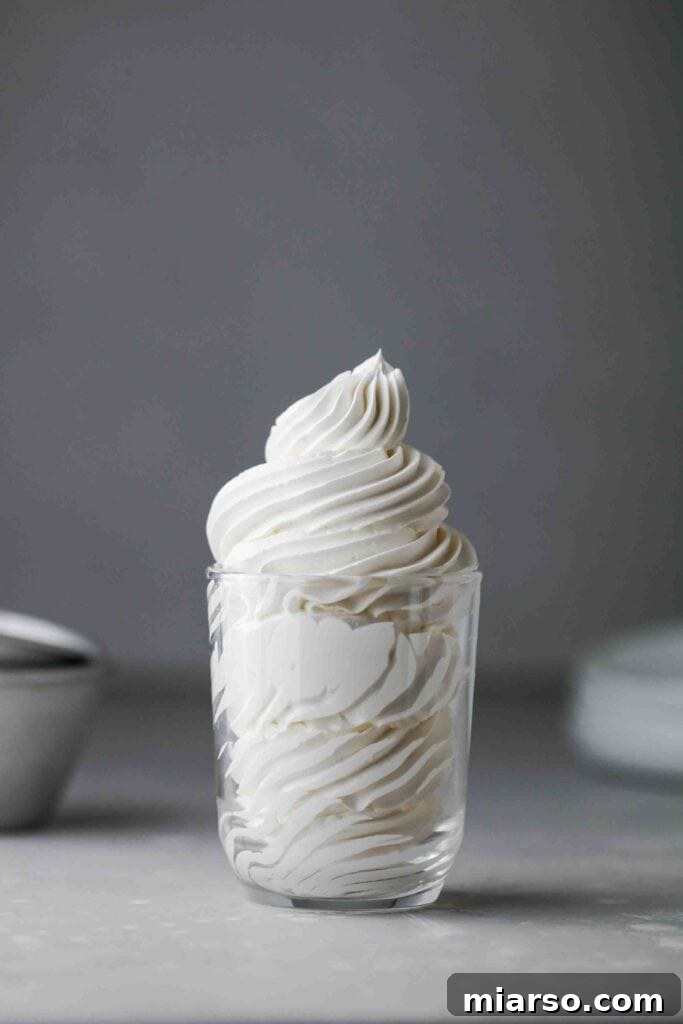
Stand Mixer vs. Hand Mixer: Can I Use a Hand Mixer for Swiss Meringue Buttercream?
While technically possible to make Swiss Meringue Buttercream with a powerful hand mixer, it is generally not recommended and can be a significantly more strenuous and time-consuming endeavor. A stand mixer is truly the ideal tool for SMBC for several reasons.
The process of making Swiss Meringue Buttercream involves two distinct stages of intensive beating: first, whipping the cooked egg white mixture into a stable meringue until it’s completely cool, and second, gradually incorporating the butter until the mixture emulsifies into a smooth buttercream. Each of these stages requires continuous, high-speed whipping for an extended period. With a stand mixer, you can set it and let it work its magic, freeing your hands to attend to other tasks.
When using a hand mixer, you’ll need to hold it steady for potentially 15-20 minutes or even longer per stage, depending on the power of your mixer and the ambient temperature of your kitchen. This can be quite tiring and challenging to maintain consistent speed and aeration. While it’s not impossible, expect the total preparation time to at least double, and be prepared for a good arm workout. If a stand mixer isn’t an option, ensure your hand mixer is robust, and take breaks if needed, but be mindful not to let the meringue cool too much before the butter stage.
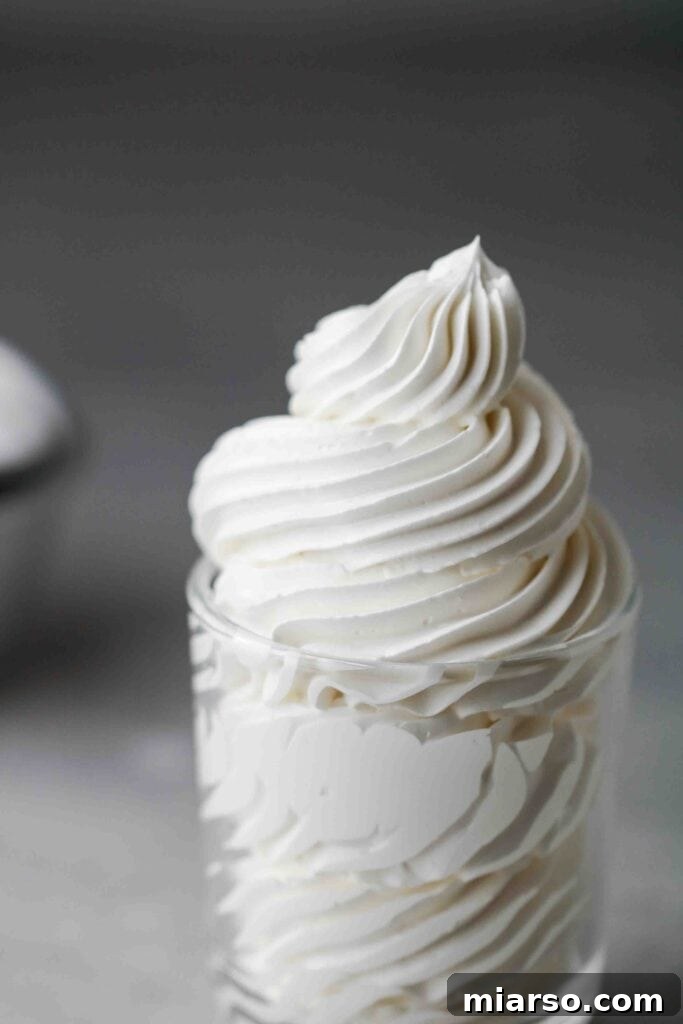
Small Batch Swiss Meringue Buttercream Recipe
If you’ve tried and fallen in love with this small batch Swiss Meringue Buttercream, please consider leaving a 5-star rating by clicking on the stars below!
Rated 4.99 out of 5 stars by 51 users.
Small Batch Swiss Meringue Buttercream
Ingredients
Units are US Customary.
- 3 egg whites
- 3/4 cup unsalted butter softened (cool room temperature)
- 3/4 cup granulated sugar
- 1/2 tsp vanilla extract
- 1/4 tsp salt
Instructions
-
Start by whisking the egg whites and sugar together in a heatproof mixing bowl. Place the bowl over a medium saucepan filled with simmering water, ensuring the bowl does not touch the water. Whisk the egg whites and sugar mixture constantly until it becomes thin, the sugar has completely dissolved, and the temperature reaches 160°F (71°C).
-
Immediately transfer the bowl to a stand mixer fitted with a whisk attachment. Begin whipping the egg white mixture on high speed. It is crucial not to let it cool before whipping. Continue beating until the meringue reaches stiff, glossy peaks and the mixing bowl is completely cool to the touch. This typically takes between 10-15 minutes for a small batch.
-
A helpful tip: periodically touch the outside of the mixing bowl. If it still feels warm, keep mixing. Adding butter to a warm meringue will cause it to melt and result in a soupy buttercream.
-
Once the meringue is cool and stable, switch to the paddle attachment. With the mixer on medium-high speed, gradually add the softened butter, one tablespoon at a time. Allow each piece of butter to fully incorporate before adding more. The mixture may look curdled initially, but continue mixing. After all butter is added, stir in the vanilla extract and salt. Beat for one additional minute until the buttercream is perfectly smooth and fluffy.
-
Your small batch Swiss Meringue Buttercream is now ready to beautifully decorate your cakes, cupcakes, and other sweet treats!
Notes
Recipe Notes & Troubleshooting Tips:
-
Check your meringue temperature & texture before adding butter. The meringue should be whipped to stiff peaks and the outside of the bowl should feel completely cool to the touch. If it’s still warm, the butter will melt and the frosting may stay runny.
-
Fixing a runny or split buttercream: If your mixture looks soupy, refrigerate the bowl for 10–15 minutes, then continue mixing on medium-high speed until it comes together. If it looks curdled or split, keep mixing; it usually emulsifies again after a few minutes.
-
Using cocoa powder: Natural cocoa powder works fine, but will give a slightly lighter flavor and color than Dutch-processed. You can also blend the two for balance.
-
Egg white options: Fresh egg whites work best. Liquid pasteurized egg whites from a carton can work, but powdered pasteurized egg whites generally don’t whip well in Swiss meringue recipes.
-
Swapping butter: You can replace some or all of the butter with vegetable shortening for more stability in warm weather (half butter / half shortening keeps buttery flavor while holding shape better).
-
Sugar substitutions: Brown sugar will add a caramel-like flavor and can make the frosting softer due to extra moisture. Use light brown sugar and be sure it fully dissolves over the heat.
-
Making meringue without butter: If you want just a fluffy meringue topping (for pies, pavlovas, etc.), simply stop after whipping the egg white and sugar mixture to stiff peaks, and skip the butter.
Nutrition
Nutrition information is automatically calculated, so should only be used as an approximation.
Thank you so much for reading this far!
Did you enjoy making and tasting this small batch Swiss Meringue Buttercream? We would absolutely love to hear your feedback in the comments section below! Your thoughts and ratings help other bakers discover and enjoy this wonderful recipe. In the meantime, don’t forget to follow us on Instagram for more delicious baking inspiration and tips.

Shop This Recipe: Essential Tools for Success
This post may contain affiliate links, meaning that at no additional cost to you, I will earn a small commission on purchases made through these links. Your support helps keep this blog running!
Loved this Small Batch Swiss Meringue Buttercream? Pin it for Later!