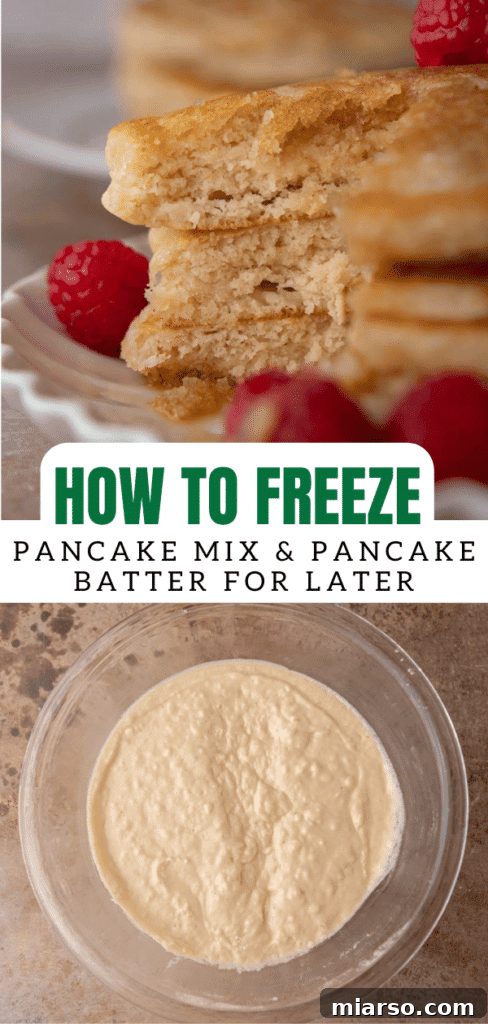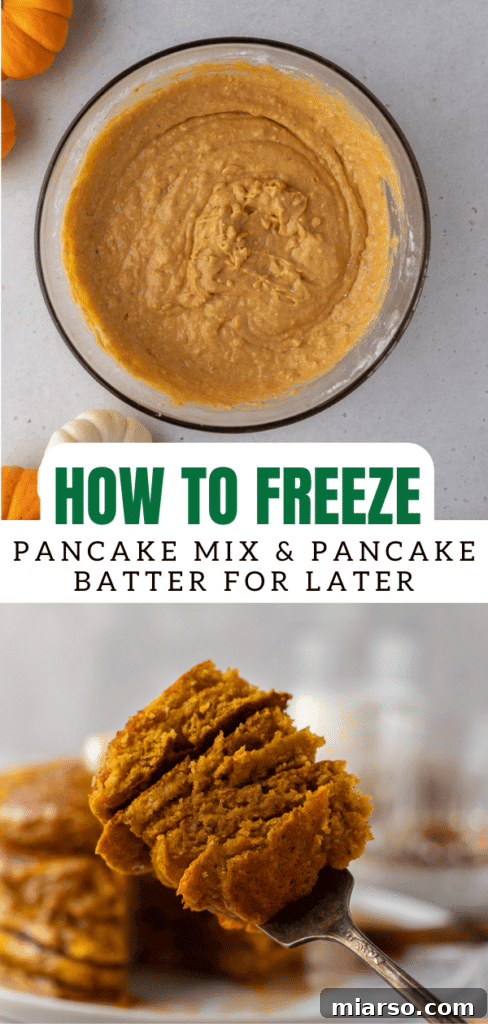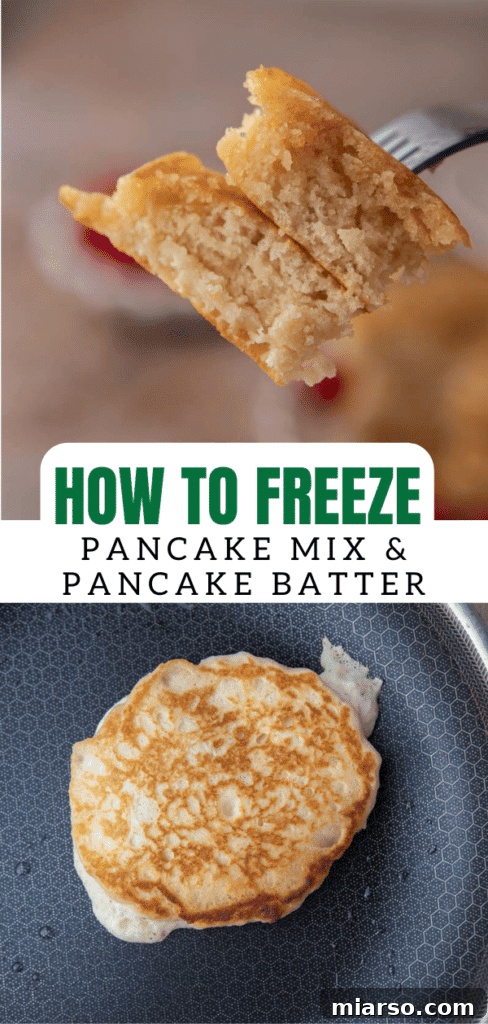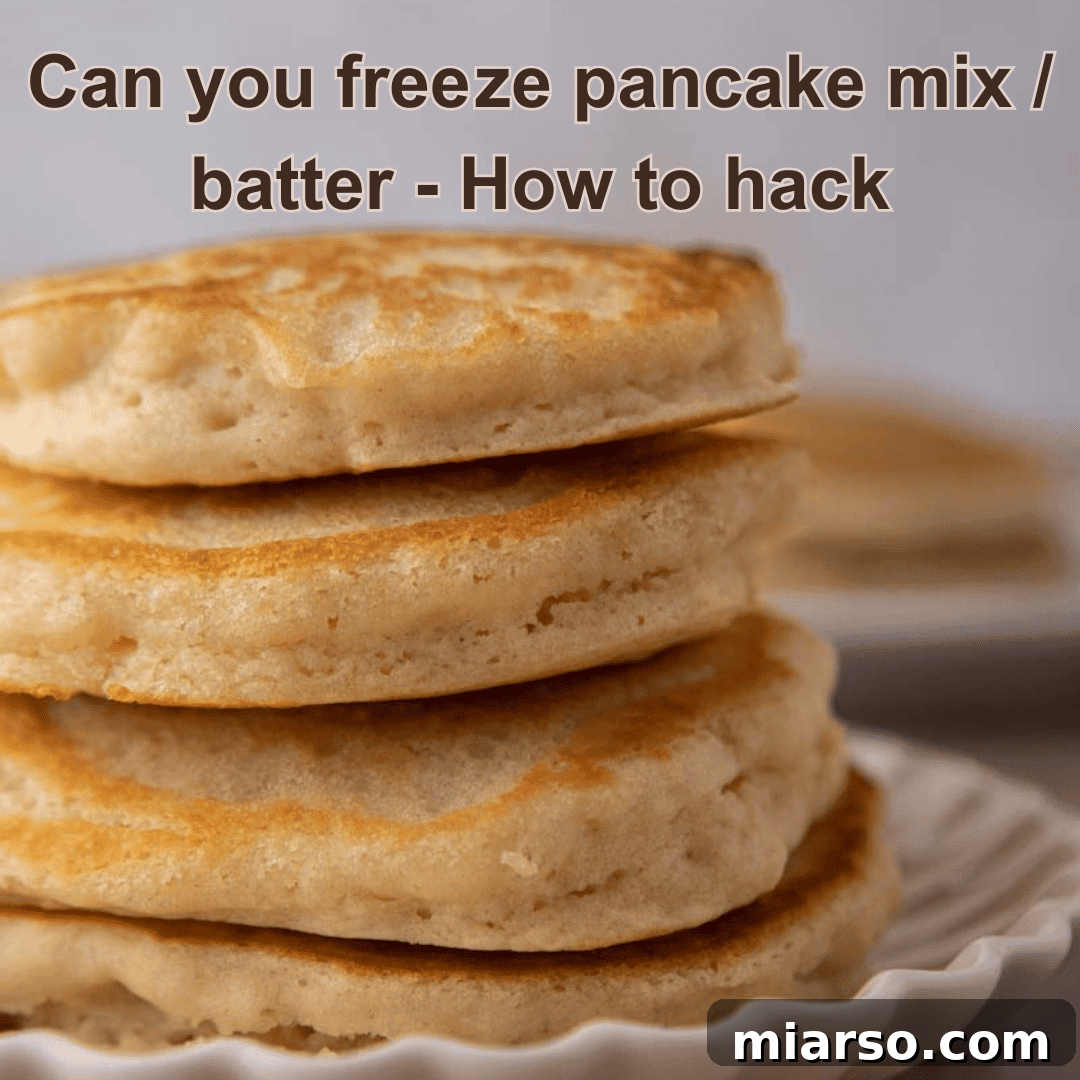
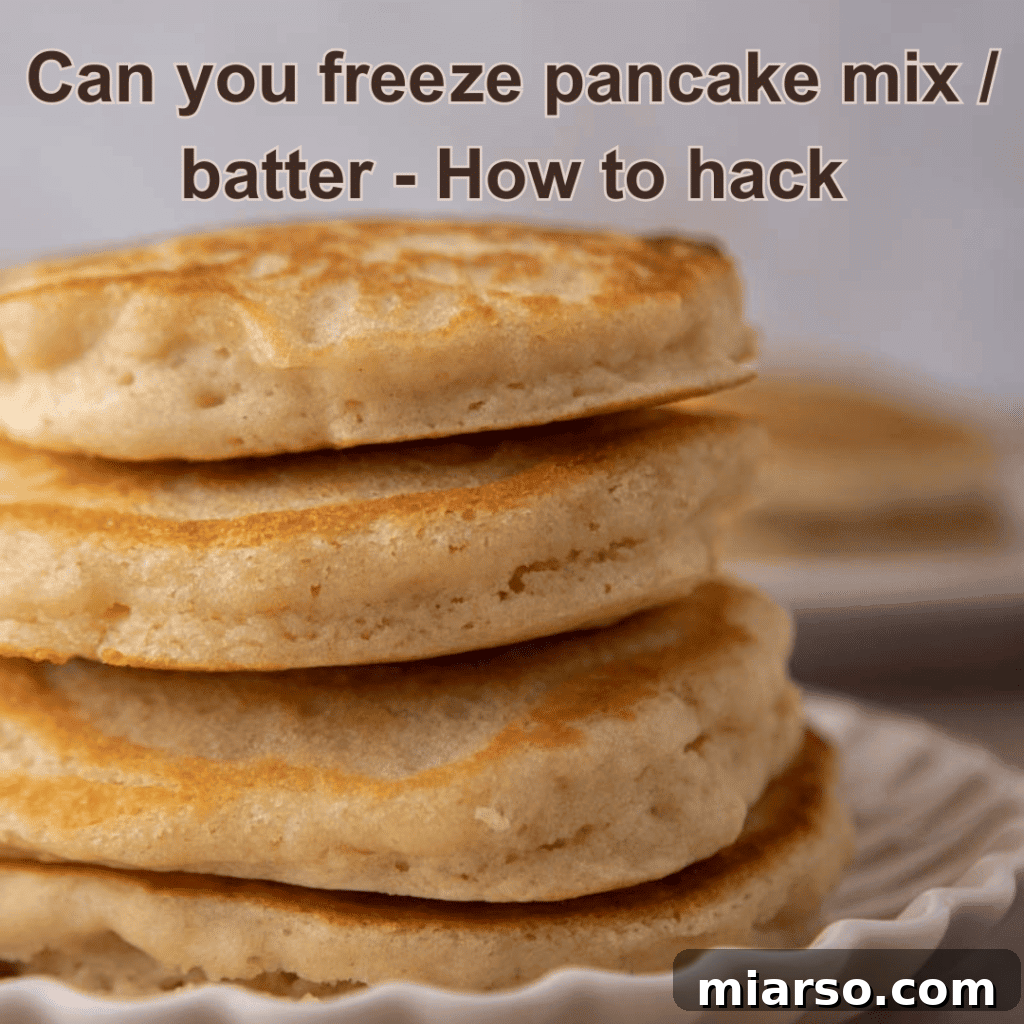
Ever dreamt of enjoying a stack of fluffy, golden pancakes without the morning rush? Imagine having perfectly prepped pancake batter or even fully cooked pancakes ready to go at a moment’s notice. This comprehensive guide will show you exactly how to achieve that dream by mastering the art of freezing pancake batter, dry pancake mix, and even leftover cooked pancakes. Say goodbye to food waste and hello to ultimate breakfast convenience!
We all adore the comforting warmth of fresh pancakes, a delightful treat that brings smiles to every face at the breakfast table. However, life gets busy, and finding the time to whip up a batch from scratch every time a craving hits can be a challenge. That’s where smart freezing techniques come in, offering a fantastic alternative that not only saves you precious time but also reduces food waste and keeps your pantry stocked for longer.
In this article, we’ll dive deep into the best methods for freezing various pancake components. You’ll learn how to freeze store-bought pancake mix for extended shelf life, how to store your homemade pancake batter to preserve its freshness, and even clever ways to save those delicious leftover pancakes for a future meal. Get ready to transform your breakfast routine!
While you’re here discovering these amazing freezing hacks, don’t forget to explore other pancake-related resources. Check out these tips and recipes to elevate your boxed pancake mix, try this delightful pancake mix blueberry muffin recipe, bake an Easy Vanilla Pancake Mix Cake, or whip up some super easy pumpkin pancakes using pancake mix. Your pancake journey is about to get even more exciting!
Understanding Pancake Mix: Ingredients and Convenience
Pancake mix is a staple in many kitchens for a reason: convenience. It’s a pre-mixed dry powder, readily available at any grocery store, designed to simplify the pancake-making process. Instead of meticulously measuring out multiple dry ingredients, you just add a few wet components, and you’re good to go. This makes it an ideal solution for quick breakfasts without compromising on taste or texture.
Typically, a standard pancake mix comprises essential dry ingredients such as flour, a leavening agent like baking powder (and sometimes baking soda), and a pinch of salt. Some mixes might also include sugar or powdered milk for added flavor and richness. The beauty of these mixes lies in their simplicity; you’re usually instructed to add wet ingredients like eggs, milk (or a dairy alternative), oil, or even just water, transforming the dry powder into a smooth, pourable batter in minutes. This eliminates the need for weighing and sifting, ensuring consistently delicious pancakes every time, perfect for those mornings when precision isn’t your priority.
Why Freezing Pancake Components Is a Game-Changer
Freezing pancake mix, batter, or even fully cooked pancakes offers a multitude of benefits that extend beyond mere storage. It’s a smart strategy for any home cook looking to optimize their kitchen efficiency, reduce waste, and ensure a delicious meal is always within reach. Here are the primary reasons why you should consider freezing:
- Extended Preservation: Freezing is an incredibly effective method for dramatically extending the shelf life of food items. For dry pancake mix, freezing safeguards the delicate leavening agents, which are crucial for fluffy pancakes, preventing them from losing potency. For prepared batter or cooked pancakes, freezing halts bacterial growth and spoilage, keeping them fresh for weeks or even months beyond their typical refrigeration life. This means you can buy in bulk or prepare larger batches without worrying about anything going bad.
- Unmatched Convenience: Imagine waking up on a busy weekday or a lazy weekend and having breakfast practically ready. Frozen batter can be thawed and cooked with minimal effort, while frozen cooked pancakes simply need reheating. This eliminates the need for last-minute grocery runs for ingredients or the entire preparation process, saving you significant time and mental energy. It’s perfect for spontaneous cravings, unexpected guests, or simply making your mornings smoother.
- Significant Waste Reduction: If you occasionally use pancake mix or find yourself with leftover batter after a big breakfast, you risk it spoiling before you can finish it. Freezing is an excellent solution to prevent this food waste. By preserving ingredients and prepared food, you ensure that every bit gets utilized, which is not only environmentally conscious but also cost-effective. It helps you manage portions and ensures you always have a plan for surplus.
- Economical Benefits: Buying larger quantities of pancake mix or ingredients when they are on sale can save money in the long run. Freezing allows you to take advantage of these deals without concern for spoilage, making it a savvy financial move for your household budget.
Long-Term Storage for Dry Pancake Mix
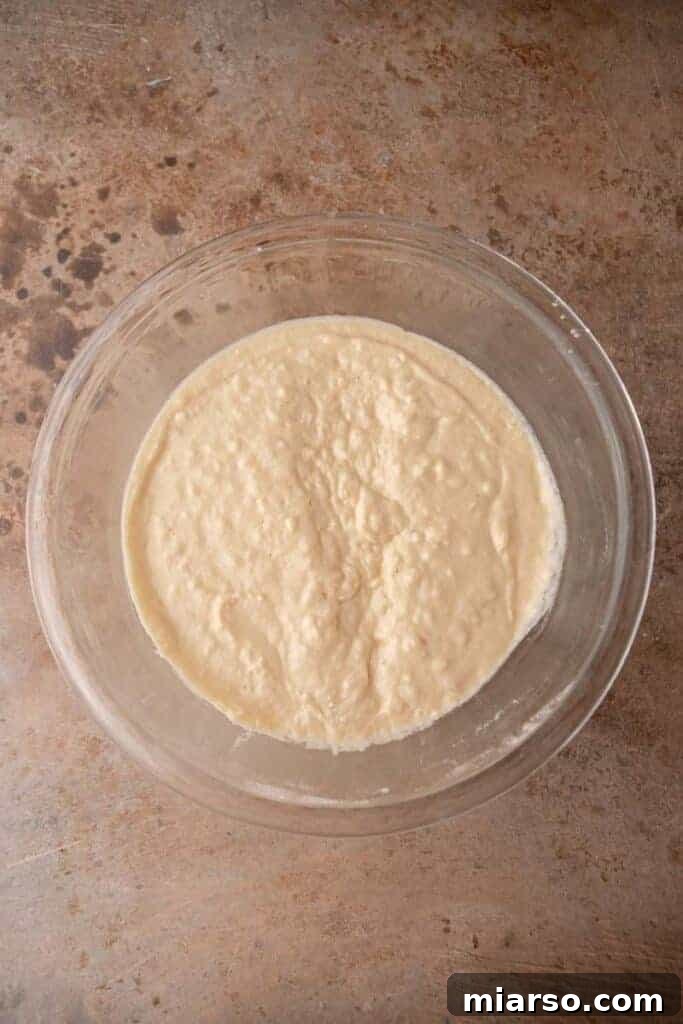
Dry pancake mix, due to its low moisture content, is inherently designed for longer storage than wet ingredients. However, even dry mixes have a shelf life, primarily due to the degradation of leavening agents like baking powder. These agents are what give pancakes their rise and fluffiness, and once they lose their potency, your pancakes will turn out flat. The good news is that you can significantly extend the life of your dry mix, often well beyond the “best by” date, by storing it correctly in cooler temperatures.
The key to successful long-term storage is protecting the mix from moisture, air, and extreme temperatures, all of which can compromise the leavening agents. Refrigeration and freezing are your best allies in this endeavor.
- Storing Dry Pancake Mix in the Fridge:
- To store pancake mix in the refrigerator, transfer it from its original packaging into a sealed storage solution. This could be a heavy-duty, resealable bag (like a Ziplock freezer bag) or an airtight container made of plastic or glass. If the original bag is resealable and robust, you can use that too, ensuring it’s tightly sealed.
- Place the sealed container or bag in your refrigerator. The cooler, consistent temperature helps to slow down the degradation of the leavening agents.
- When stored in the fridge, dry pancake mix can remain fresh and effective for up to 6 months beyond its printed expiration date. Always perform a quick check for any off-smells or signs of moisture before use.
- Storing Pancake Mix in the Freezer:
- For the longest possible shelf life, the freezer is your best bet. Transfer your dry pancake mix into a heavy-duty freezer bag or a sturdy airtight freezer container. It’s crucial to minimize air exposure, so press out as much excess air from the bag as possible before sealing, or ensure your container has a tight-fitting lid.
- Label your container clearly with the date you stored it. This helps you keep track of its age and ensures you use the oldest mix first.
- Store the labeled mix in the freezer. Here, the mix can maintain its quality for up to 24 months, significantly extending its usability. The cold temperatures almost completely halt the chemical processes that cause leavening agents to degrade, meaning your pancakes will remain perfectly fluffy whenever you’re ready to make them.
Can You Freeze Pancake Batter? Absolutely!
One of the most common questions regarding pancake preparation is whether you can freeze pancake batter. The resounding answer is yes! Freezing prepared pancake batter is an excellent strategy for reducing food waste, streamlining your morning routine, and ensuring you always have a delicious, homemade-tasting breakfast option on hand. While leftover batter might only last about 2-4 days in the refrigerator before it starts to lose its quality or even spoil, freezing extends its life considerably, offering a convenient solution for future meals.
By freezing pancake batter, you’re essentially creating a batch of ready-to-cook breakfast goodness that can be stored for weeks. This is particularly useful after making a large batch of homemade batter, or if you’ve mixed up too much from a store-bought mix. Instead of pouring it down the drain, you can preserve it perfectly for another day, minimizing waste and maximizing your effort.
How to Freeze Leftover Pancake Batter: Step-by-Step Instructions
Freezing pancake batter is a straightforward process, but following a few key steps will ensure your batter thaws beautifully and produces perfect pancakes every time. Here’s how to do it effectively:
- Choose Your Storage Method: You have several excellent options for freezing pancake batter, depending on your needs:
- Large Freezer Bags: This is a popular and efficient method. Pour the pancake batter into a heavy-duty freezer-safe bag. Lay the bag flat on a baking sheet to freeze, which creates a thin, uniform layer that thaws more quickly and is easy to stack in your freezer.
- Freezer-Safe Containers: Use rigid, airtight freezer containers made of plastic or glass. These are great for larger batches. If you have containers designed to remove air (like vacuum-sealable ones or those with specialized lids), they offer an extra layer of protection against freezer burn.
- Ice Cube Trays: For single servings or smaller, bite-sized pancakes (which have become a viral trend!), pour the batter into ice cube trays. Once frozen solid, transfer the batter cubes into a freezer bag or container. This method is fantastic for portion control and quick thawing.
- Remove Excess Air: Regardless of the method you choose, minimizing air exposure is crucial. For freezer bags, gently press out as much air as possible before sealing. For containers, ensure they are filled as close to the top as possible, leaving just a little headspace for expansion, and that the lid is tightly sealed. Air can lead to freezer burn, which affects the texture and flavor of the batter.
- Label and Freeze: Always label your frozen batter with the date it was prepared and frozen. This helps you keep track of its freshness. Place the labeled batter in your freezer.
How Long Does Pancake Batter Last in the Freezer?
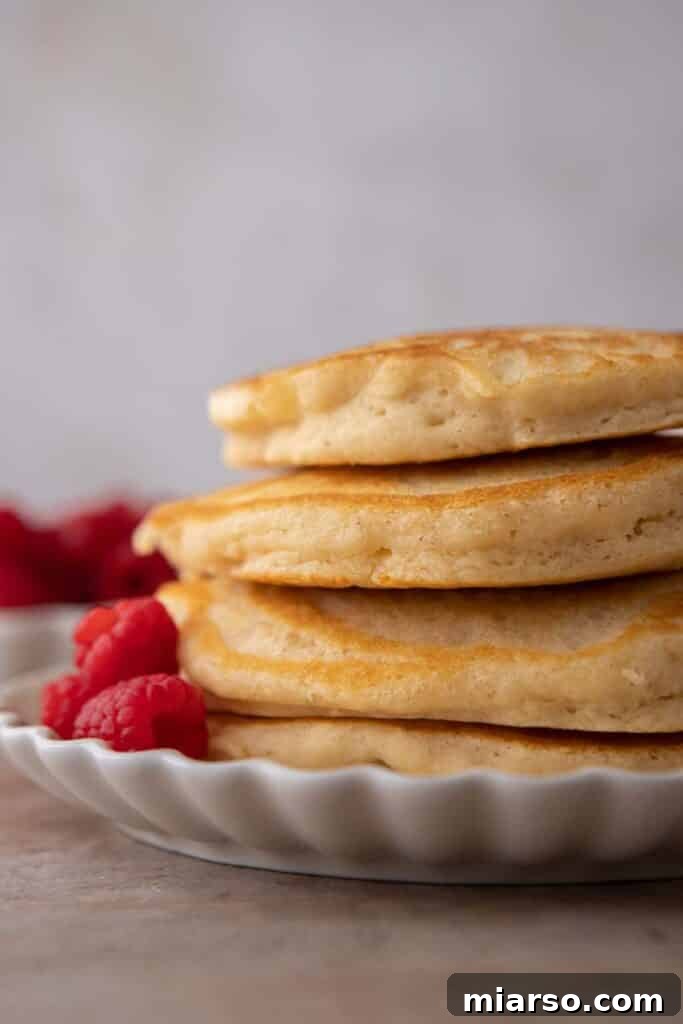
When properly stored in an airtight container or heavy-duty freezer bag, pancake batter can be kept safely in the freezer for up to 3 months. Beyond this period, while still technically safe, the quality might start to decline. The leavening agents may lose some of their potency, leading to less fluffy pancakes, and the texture might become slightly grainy. For the best results and optimum pancake fluffiness, aim to use your frozen batter within this 3-month window.
How to Thaw Pancake Batter for Perfect Pancakes
Thawing pancake batter correctly is just as important as freezing it properly. A gradual thaw helps maintain the batter’s consistency and ensures the leavening agents are still effective. Here are the best ways to thaw your frozen pancake batter:
- Thawing in the Fridge Overnight:
- This is the gentlest and often preferred method for thawing. Simply remove the frozen pancake batter from the freezer and place it in your refrigerator the night before you plan to use it.
- Allow it to thaw completely in the fridge, which typically takes 8-12 hours for a standard batch.
- Once thawed, give the batter a good stir to recombine any separated ingredients, and then use it as you would fresh pancake batter.
While this method isn’t the fastest, it’s incredibly convenient if you remember to plan ahead. It ensures an even thaw and maintains optimal batter quality. Remember, once thawed in the fridge, the batter should be used within 1-2 days, similar to fresh batter. Do not refreeze thawed batter.
- Thawing on the Counter in Cold Water (Faster Method):
- If you need a quicker thaw, place the sealed bag or container of frozen batter into a bowl of cold water on your kitchen counter. Avoid using hot or warm water, as this can cook the edges of the batter and create an uneven texture, or even promote bacterial growth.
- Change the water every 30 minutes to keep it cold. A standard batch of batter can thaw in about 1-2 hours using this method.
- Once thawed, stir thoroughly before cooking.
For Ice Cube Tray Pancakes: If you froze your batter in ice cube trays, you might not even need to thaw completely. For smaller, individual portions, you can often cook them immediately on a griddle over medium-low heat. Just be aware that they will take a little longer to cook through than fresh batter.
Preparing the Best Fluffy Pancakes with Thawed Batter
Once your pancake batter is properly thawed, you’re just a few steps away from enjoying a delicious, freshly made breakfast. The key is to prepare it as you would fresh batter, with a couple of extra considerations:
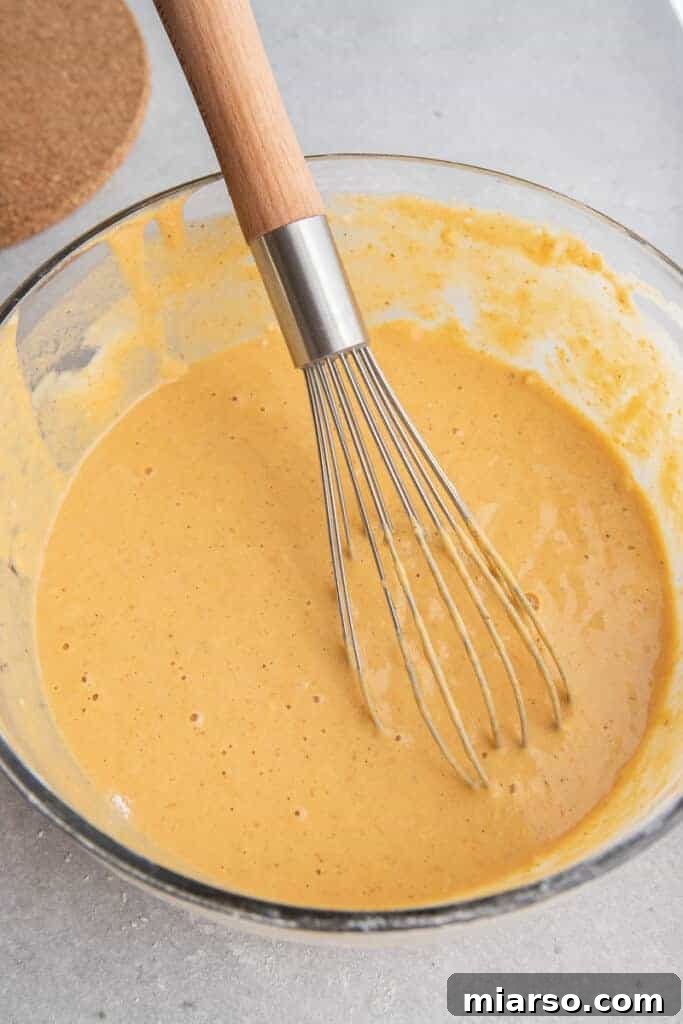
- Give it a Good Stir: After thawing, it’s common for pancake batter to have some separation or appear slightly lumpy. This is perfectly normal. Give the batter a vigorous but gentle stir with a whisk or spoon. This helps to recombine all the ingredients, redistribute the leavening agents, and smooth out the consistency. Avoid overmixing, as this can develop the gluten too much and lead to tougher pancakes. A few small lumps are actually desirable!
- Adjust Consistency (if needed): If the thawed batter appears a little too thick, you can add a tablespoon or two of milk (or water) at a time, stirring well after each addition, until you reach your desired pouring consistency. If it’s too thin, you might add a tiny bit more dry mix, but this is less common with thawed batter.
- Cook on a Buttered Griddle: Heat a griddle or non-stick pan over medium heat. Add a small amount of butter or oil, ensuring it coats the surface evenly. Once hot, pour about ¼ cup of batter for each pancake onto the griddle.
- Cook Until Golden: Cook for 2-3 minutes per side, or until bubbles appear on the surface and the edges look set. Flip and cook for another 1-2 minutes until golden brown and cooked through.
- Piping from a Ziplock Bag: If you froze your batter in a ziplock bag, you can make the process even easier. Once thawed, gently roll the sealed bag to mix the batter. Then, snip off a small corner of the bag with scissors to create a piping hole. Squeeze the batter directly onto your hot griddle to form perfect pancakes with minimal mess.
Frequently Asked Questions (FAQ)
Can you freeze pancake batter with eggs?
Yes, absolutely! Freezing pancake batter that contains eggs is completely safe and common practice. The eggs are fully incorporated into the batter, and their proteins handle the freezing and thawing process well. Your batter will be safe to eat within the recommended 3-month storage period.
However, there’s a specific scenario where you might want to avoid freezing: if your pancake recipe calls for mixing in whipped egg whites separately (to achieve an exceptionally light and airy texture). The delicate structure of whipped egg whites can deflate and break down during freezing and thawing, which would result in a thinner, less fluffy pancake. For such recipes, it’s best to prepare the batter fresh.
Why is my pancake batter lumpy? Is it okay?
Pancake batter being slightly lumpy is not only completely normal but often preferred! Those small lumps are a sign that you haven’t overmixed the batter. Overmixing develops the gluten in the flour too much, leading to tough, chewy pancakes rather than light and tender ones. The lumps in properly mixed batter will typically dissolve during cooking, turning into tiny pockets of air. These air pockets contribute to the desired light, fluffy texture and tender crumb of a perfect pancake.
Can you freeze cooked pancakes as well?
Yes, you absolutely can freeze cooked pancakes! This is another fantastic way to prepare breakfast ahead of time, ensuring you always have a quick and easy option available. Freezing cooked pancakes is ideal for meal prep, busy mornings, or simply preventing leftovers from going to waste. They reheat beautifully and taste almost as good as fresh.
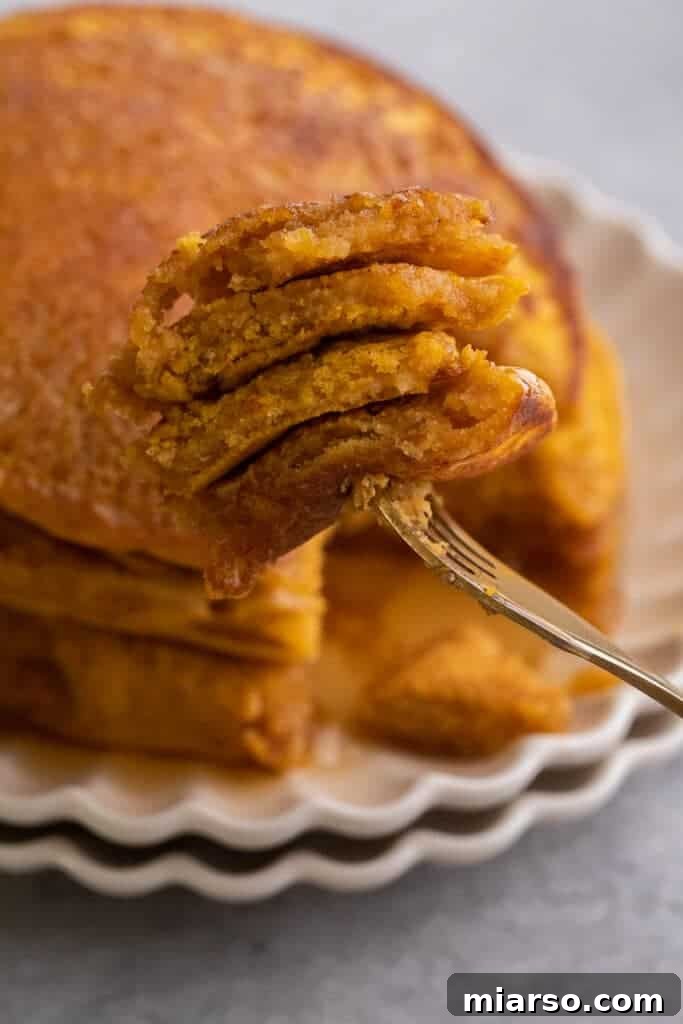
How to Freeze Cooked Pancakes
Freezing cooked pancakes is incredibly simple and effective for preserving their texture and flavor. Here’s a step-by-step guide:
- Cool Completely: After cooking, lay your pancakes out on a wire rack to cool down fully to room temperature. This is a critical step; if you freeze warm pancakes, condensation will form, leading to ice crystals and potentially soggy, freezer-burned pancakes.
- Flash Freeze (Optional but Recommended): For best results, arrange the cooled pancakes in a single layer on a baking sheet lined with parchment paper. Place the baking sheet in the freezer for about 30-60 minutes, or until the pancakes are firm. This “flash freezing” step prevents them from sticking together when you stack them.
- Stack and Store: Once flash-frozen (or if skipping that step, once completely cool), stack the pancakes with a small piece of parchment paper or wax paper between each one. This prevents them from freezing into a solid block, making it easy to grab just one or two at a time.
- Airtight Packaging: Transfer the stacked pancakes into a heavy-duty freezer bag or an airtight freezer-safe container. Press out as much air as possible from bags before sealing.
- Label and Freeze: Label the package with the date and freeze for up to 3 months.
How to Reheat Frozen Cooked Pancakes:
- Microwave: The quickest method. Place 1-2 pancakes on a microwave-safe plate and heat for 30-60 seconds, or until warm.
- Toaster/Toaster Oven: For crispier edges, toast directly from frozen until heated through and lightly golden.
- Oven: Preheat oven to 350°F (175°C). Place pancakes in a single layer on a baking sheet, cover loosely with foil, and bake for 5-10 minutes, or until warm.
- Griddle: Reheat on a lightly buttered griddle over medium-low heat until warmed through.
Is it Better to Freeze Pancakes or to Freeze Batter?
The choice between freezing cooked pancakes and freezing pancake batter largely depends on your personal preferences and how you plan to use them. Both methods offer distinct advantages, making them ideal for different situations.
- Pros of Freezing Pancake Batter:
- Freshness on Demand: You get to enjoy “freshly cooked” pancakes. The aroma, the slight crispness from the griddle, and the immediate warmth can feel more authentic than reheated pancakes.
- Customization: You can add fresh fruit, chocolate chips, or other mix-ins to the batter just before cooking.
- Texture: Some argue that pancakes made from thawed batter have a slightly better, fluffier texture compared to reheated cooked pancakes.
- Versatility: Thawed batter can also be used for waffles or other quick-bread applications.
- Pros of Freezing Cooked Pancakes:
- Ultimate Convenience: This is the fastest option for a prepared meal. Simply grab, heat, and serve. There’s no cooking time involved beyond reheating.
- No Mess: You’ve already done the cooking, so there’s no griddle to clean or batter splatters to wipe up in the morning.
- Ideal for Batch Cooking: Perfect for making a large batch on a weekend and storing individual servings for quick breakfasts throughout the week.
Ultimately, your decision comes down to how much time you’re willing to spend in the kitchen on the day you want to eat them. If you prefer the absolute freshest taste and don’t mind a few minutes of cooking, freeze the batter. If speed and zero fuss are your top priorities, then freezing cooked pancakes is the way to go. Many people even combine both strategies to cover all their breakfast bases!
Loved this guide? Don’t forget to pin it for later!
Now that you’re equipped with all the knowledge to expertly freeze pancake mix, batter, and cooked pancakes, your breakfast game is about to reach new heights. Enjoy the convenience, reduce your food waste, and savor those delicious pancakes whenever the craving strikes!