Have you ever wondered about the exciting world of food blogging and how to not only share your culinary passion but also gain access to complimentary products and brand sponsorships? For many aspiring food bloggers, the dream includes collaborating with companies, receiving unique items to feature, and ultimately building a thriving online presence. The good news is, this dream is entirely achievable, even for beginners! In this comprehensive guide, we’re pulling back the curtain and revealing the actionable strategies and insider secrets that no one else is openly discussing, designed to help you navigate the path to successful brand partnerships and acquire those coveted ‘freebies’ for your food blog and social media platforms.
Having embarked on my blogging journey just over a year ago, my vision has always been to cultivate a vibrant lifestyle blog that resonates with a broad audience, offering fresh ideas and inspiration. A significant facet of this aspiration involves generating a full-time income from my website, a goal I’m diligently working towards. Along the way, I’ve discovered invaluable insights into connecting with brands and leveraging my platform to create mutually beneficial relationships. These experiences have shaped my understanding of influencer marketing within the food niche, and I’m eager to share them with you.
Unlock Brand Partnerships: A Beginner’s Guide to Getting Free Products as a Food Blogger
Understanding the True Value of “Free” Products for Food Bloggers
Upon delving into the world of brand collaborations, a common question echoes among burgeoning content creators: “How can I start a blog and immediately receive complimentary products?” While the allure of receiving items without direct payment is undeniably strong, it’s crucial to reframe our perception of “free.” In the realm of influencer marketing, nothing is truly free. When a company dispatches products to a blogger, it’s a strategic investment with a clear objective: to broaden their audience reach and elevate brand visibility.
Consider the exchange of value. As a food blogger, once you receive a product, your work truly begins. This entails a significant time commitment: meticulously planning and executing the perfect product shoot, editing high-quality photos, crafting an engaging blog post or recipe featuring the item, fine-tuning the article for readability and SEO, and subsequently promoting the content across your various platforms. This extensive process underscores the considerable effort required, transforming the seemingly “free” item into a partnership requiring substantial work on your part. Acknowledging this reality from the outset will help you approach collaborations with a professional mindset and accurately value your contributions.
Can Beginners Immediately Start Receiving Brand Freebies?
For a beginner food blogger, or any new blogger for that matter, cultivating a degree of influence is a prerequisite for successful campaign acceptance. Jumping straight into requesting free products without a foundational presence can be disheartening and largely unproductive. Therefore, for those just starting out, it’s advisable to concentrate on establishing a solid content library – aiming for at least 15-20 high-quality articles – and building a respectable follower base across your chosen social media channels. These foundational elements act as your digital resume, showcasing your potential value to brands before you even begin exploring the collaboration platforms we’ll discuss shortly.

This might seem like a harsh truth, but understanding it early on empowers you to prioritize the right activities. Focusing on audience growth and content creation in the initial stages will yield far greater returns than prematurely seeking product collaborations, setting you up for long-term success and genuine opportunities.
Essential Strategies for Securing Brand Collaborations and Free Products
Prioritize Audience Growth and Blog Traffic
The fundamental truth in the world of influencer marketing is simple: without an engaged audience and consistent blog traffic, securing meaningful collaborations will be an uphill battle. This principle directly stems from our earlier discussion about the brand’s objective. Companies invest in bloggers to reach new customers and increase brand awareness. If your platform lacks significant viewership or engagement, it diminishes your value proposition to potential partners.
Therefore, as a beginner food blogger, dedicating substantial effort to expanding your audience is paramount. This involves creating consistent, high-quality content that resonates with your niche, optimizing your posts for search engines (SEO), actively engaging with your community on social media, and utilizing platforms like Pinterest to drive traffic back to your blog. By demonstrating a growing reach and genuine influence, you position yourself as an attractive partner for brands seeking authentic promotion. Focus on creating valuable content that solves problems, inspires, or entertains your target audience, and the traffic and engagement will naturally follow, paving the way for lucrative partnerships.

Your ability to show brands a tangible impact on your online community will be your strongest asset in attracting complimentary products and paid opportunities. Therefore, invest in learning about content strategy, social media growth hacks, and basic SEO to build this vital foundation.
Build a Portfolio by Featuring Purchased Products Organically
Before brands come knocking, proactively showcase your capabilities. A highly effective strategy is to purchase unique or interesting products from your local grocery stores and organically integrate them into your existing blog posts, recipes, and social media content. This approach serves multiple purposes: it demonstrates your creativity in product integration, provides brands with a clear preview of your content style and photography, and essentially builds a professional portfolio that speaks volumes about your potential.
Let me share a personal anecdote. A while ago, I received a VoxBox through Influenster containing Pure Blends avocado oil buttery spread. While there was no specific requirement to develop a recipe, I cleverly incorporated the butter into a photo for my Healthy homemade strawberry chia jam (no sugar added) post. You might notice the photo quality isn’t stellar – it was taken with my cell phone before I invested in my current Canon t6i camera. Despite this, the subtle product placement worked wonders.
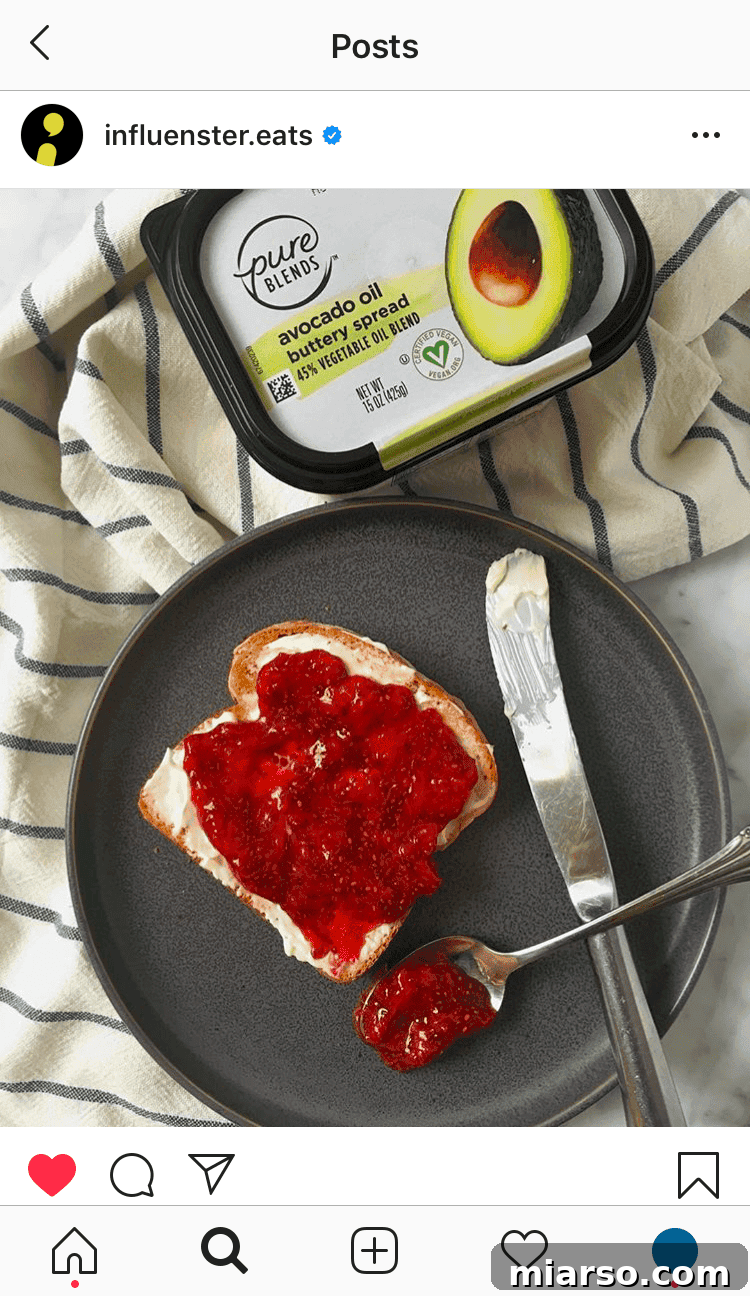
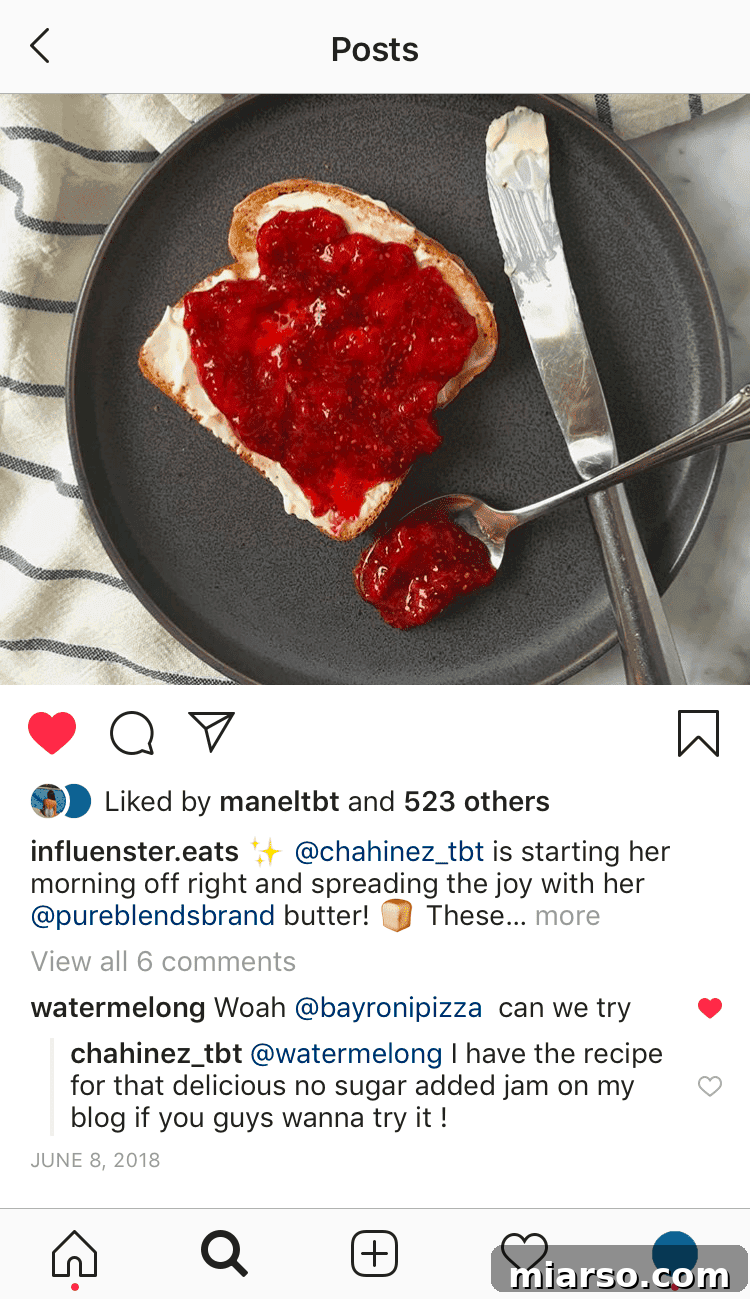
Shortly after posting that photo on my Instagram, I was noticed by @Influenster.eats and subsequently reposted on their platform! This organic exposure is a fantastic way to catch the eye of larger brands and demonstrate your ability to seamlessly integrate products into your content. This simple, yet effective, strategy proved successful for me. I highly recommend signing up for Influenster and actively reviewing products you already use. Not only does it help build your profile, but it also increases your chances of landing those desirable free products later on.
By thoughtfully arranging different products within your food photography and recipe creations, you provide concrete examples of your work, illustrating the potential value and aesthetic quality you can bring to a brand partnership. This visual evidence is often far more impactful than a written proposal alone.
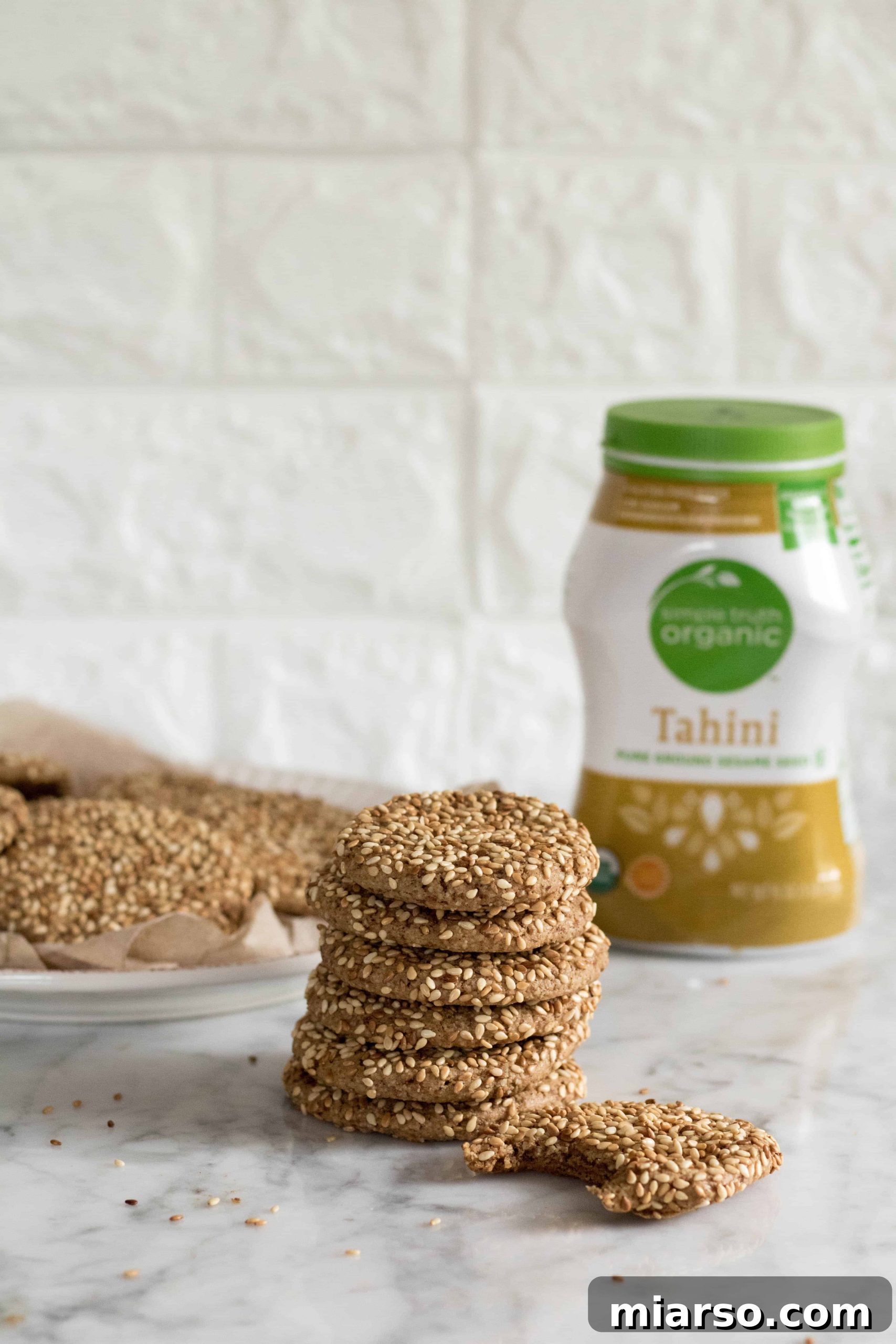
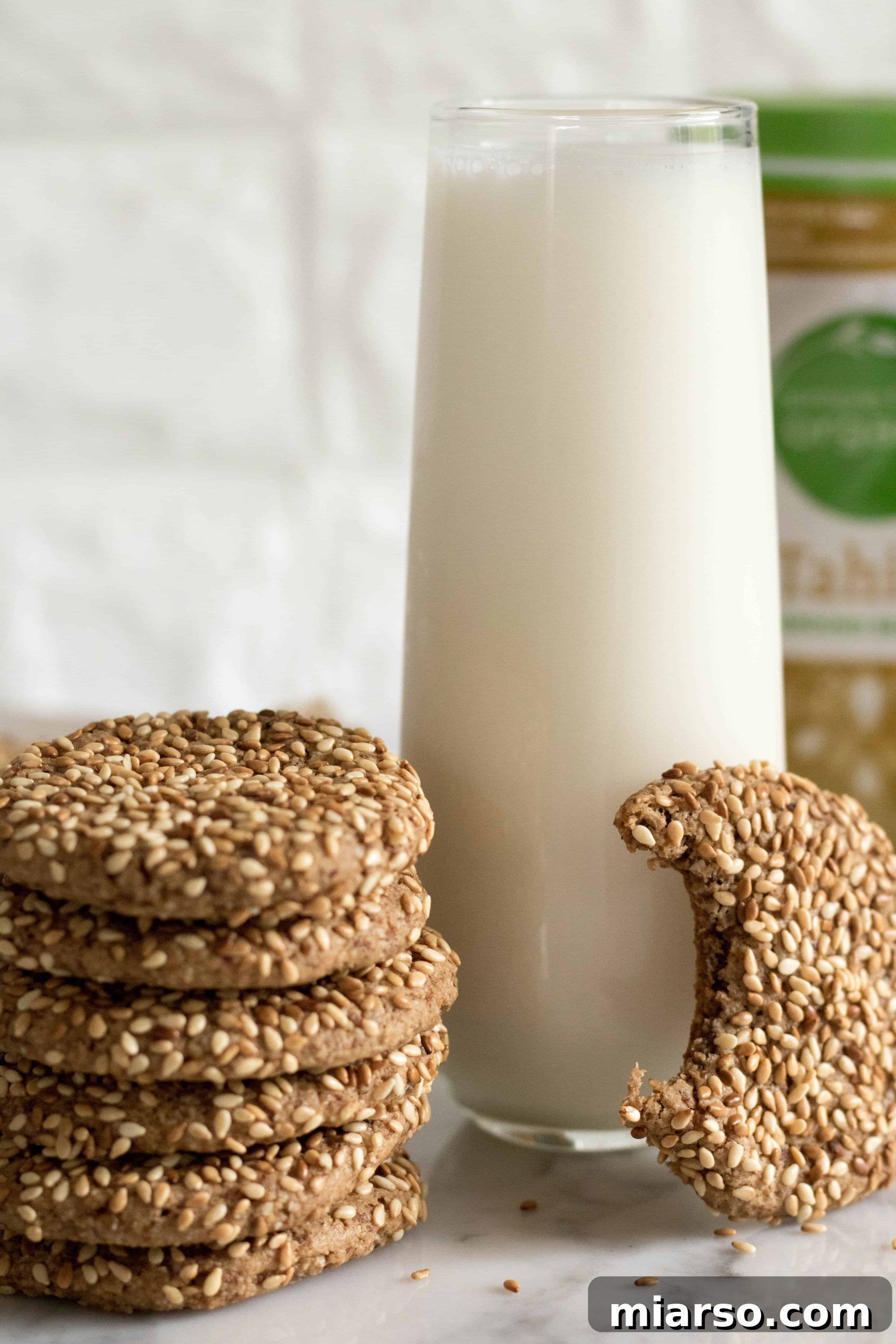
For instance, in the photos above, I wasn’t paid or officially collaborating with Simple Truth Organic. Yet, I intentionally included their product in my recipe post for The Best “Gluten Free | Vegan” Tahini Sesame seed cookie you’ve ever had. This allowed me to naturally introduce my readers to the ingredients I used while simultaneously building a diverse visual portfolio to present to potential brand partners in the future. It’s a win-win strategy that elevates your content and opens doors.
Utilize Influencer Platforms like Influenster and Tomoson for Opportunities
Once you’ve built a foundational audience and a compelling portfolio, it’s time to actively seek out collaboration opportunities through dedicated influencer marketing platforms. These websites act as a bridge between brands looking for exposure and content creators eager to promote products.
Influenster: Your Gateway to Product Discovery
Influenster was the very first platform I used to receive complimentary products, even before I started seriously blogging. While I initially received many beauty-related items, as my focus shifted towards food content and I began reviewing more food products, my chances of receiving relevant culinary items significantly increased. Influenster operates by sending out email surveys to users who are being considered for specific campaigns. It’s imperative to complete these surveys promptly and thoroughly, as they determine your eligibility for receiving a VoxBox – a curated box of free products. Be patient, as selection isn isn’t guaranteed for every campaign, but consistent engagement and relevant reviews boost your profile.
Tomoson: Beyond Freebies to Paid Collaborations
Tomoson is another powerful platform I discovered, and while it took a bit of time to fully understand its mechanics, I now find it incredibly valuable. What sets Tomoson apart is its potential for paid opportunities. Here, companies not only send you their products but also compensate you for your promotional efforts. This could involve writing a dedicated blog post, creating social media content, or a combination of both. It’s a fantastic stepping stone for beginners to gain experience with sponsored content and start monetizing their influence.
Here are a few examples of collaborations I’ve secured through Tomoson:
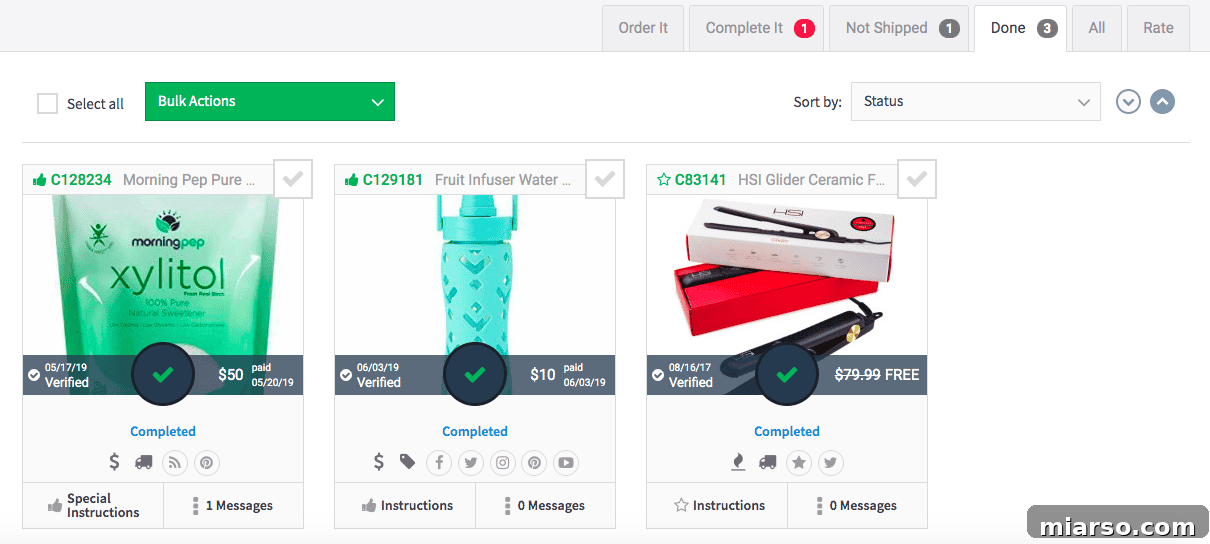
I was paid for the two most recent collaborations shown, and I’m currently in the process of working on a third! This platform is an excellent resource for emerging bloggers and influencers looking to partner with companies before transitioning to larger-scale brand deals. Tomoson streamlines the process of finding brands that actively seek collaborations, offering a structured environment to apply and manage your campaigns.
Strategic Collaboration: The Importance of Selective Partnerships
Maintaining Authenticity and Audience Trust
When presented with opportunities to collaborate with companies or accept complimentary products, exercising discernment is crucial. Being selective means ensuring that any product or brand aligns seamlessly with your blog’s niche, your personal values, and critically, what your audience genuinely expects and wants to see. The temptation to accept every offer can be strong, especially when starting out, but succumbing to it can significantly erode the trust you’ve painstakingly built with your readers and followers.
For instance, accepting a food-related product that you don’t genuinely believe in or wouldn’t personally use sends a clear message to your audience that you might be prioritizing freebies over authenticity. This can be perceived as inauthentic and lead to a loss of credibility. Similarly, as a dedicated food blogger, accepting a hair styling tool (a somewhat ironic example for me, given I received a free straightener in 2017, long before this blog existed!) would clearly be off-brand. While this is a more extreme illustration, the principle holds: stick to what makes sense for your content and your community. Your passion for the products you genuinely enjoy using and promoting will naturally shine through, translating into more engaging content, whether it’s a beautiful photo, a well-crafted article, or an impactful social media post.

Only commit to partnerships where you can genuinely express enthusiasm and integrate the product naturally into your content. This authenticity is not just about integrity; it’s a powerful tool for creating resonant content that truly connects with your audience and offers real value.
Proactive Approaches: Don’t Be Afraid to Reach Out
Initiate Contact with Brands
As a beginner food blogger, it’s a common misconception that brands will automatically seek you out. While growth can eventually lead to inbound opportunities, in the initial stages, the onus is often on you to make the first move. Proactively reaching out to brands you admire and whose products align with your niche is a powerful strategy. Prepare a concise and compelling pitch that articulates why a partnership with you would bring value to their company. Highlight your unique content style, your audience demographics, and how their product could be seamlessly integrated into your blog or social media. Don’t just ask for free products; explain the mutual benefits of a collaboration.
Stepping out of your comfort zone to contact brands directly can feel daunting, but it’s an essential skill for any aspiring influencer. What’s the worst that can happen? They might say no. But at least you tried, and every “no” brings you closer to a “yes.” Each outreach is a learning experience, refining your pitching skills and helping you understand what brands look for in a collaboration. Embrace the process, and you might just secure those desired complimentary products or even paid partnerships.
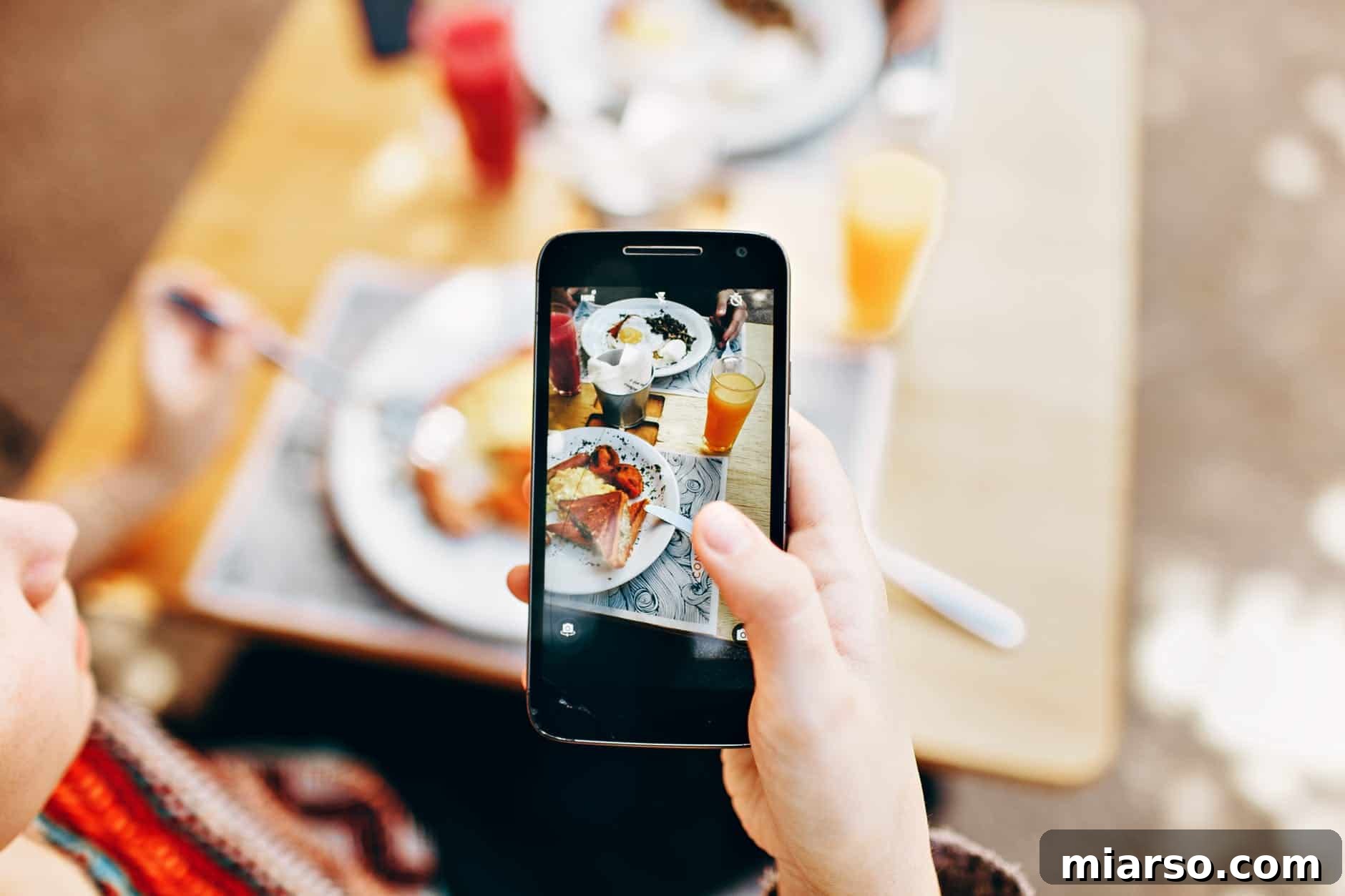
Building professional relationships through direct communication can often lead to more tailored and impactful collaborations than simply relying on platform-based opportunities.
As always, make sure to follow me on Instagram at @Chahinez_tbt and Pinterest for more food blogging tips and recipes.
If you found this departure from my usual recipe posts helpful and interesting, please let me know in the comments below! I’m genuinely considering broadening the scope of topics I cover on my blog and would love your input.
Have an awesome day, and don’t forget to pin this article for future reference!
XO, Chahinez